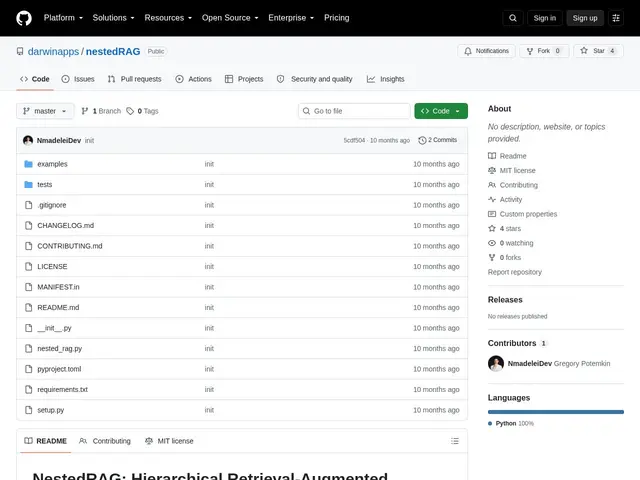
An open-source RAG library that organizes documents into a nested tree instead of flat chunks, so an AI assistant retrieves one relevant piece per branch instead of repeating itself.
github.com
46 tools curated in this category — including NestedRAG, PageIndex, DeepMem
techFind on mySelectas all sites and tools related to rag. This selection of 46 resources is reviewed and maintained by the community. The most popular include NestedRAG, PageIndex, DeepMem. Each tool comes with a review, tags, comparisons and alternatives to help you make the best choice.
An open-source RAG library that organizes documents into a nested tree instead of flat chunks, so an AI assistant retrieves one relevant piece per branch instead of repeating itself.
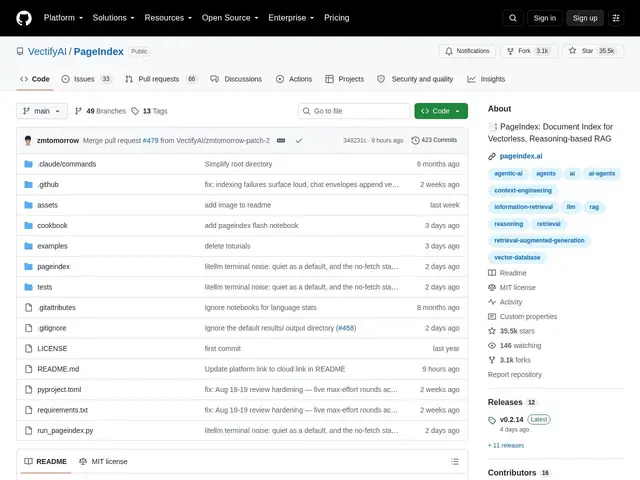
A document search engine for AI that reads and reasons through a document's structure like a human would, instead of chopping it into pieces and matching by similarity like traditional RAG.
Claude Code plugin that gives sessions persistent, semantically searchable memory across conversations
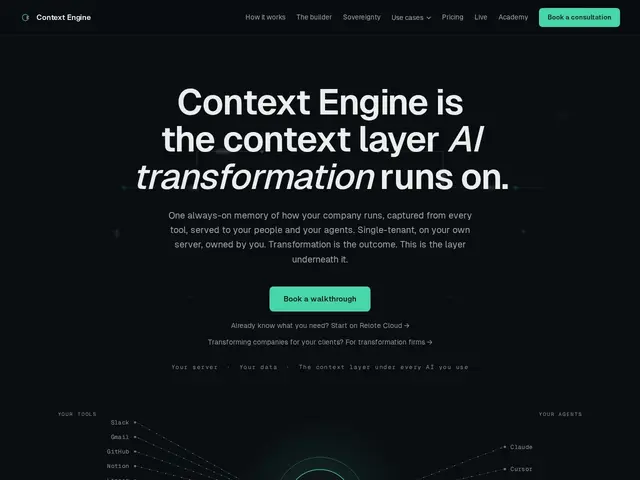
Single-tenant company memory system that pulls data from your existing tools and feeds it to AI agents
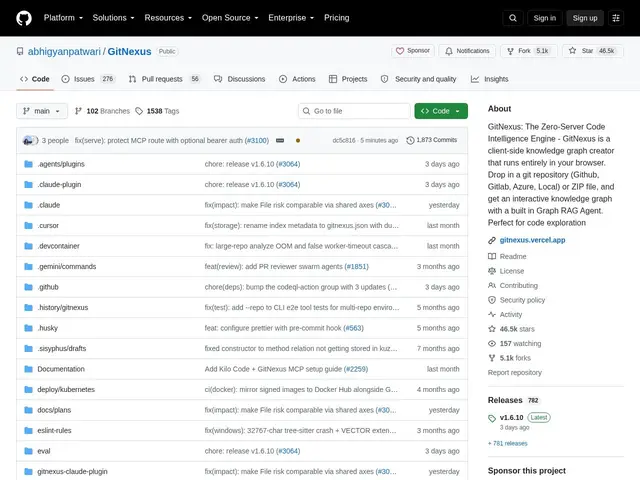
Runs entirely in your browser and turns any git repo into an interactive knowledge graph with a built-in AI agent for exploring the code.
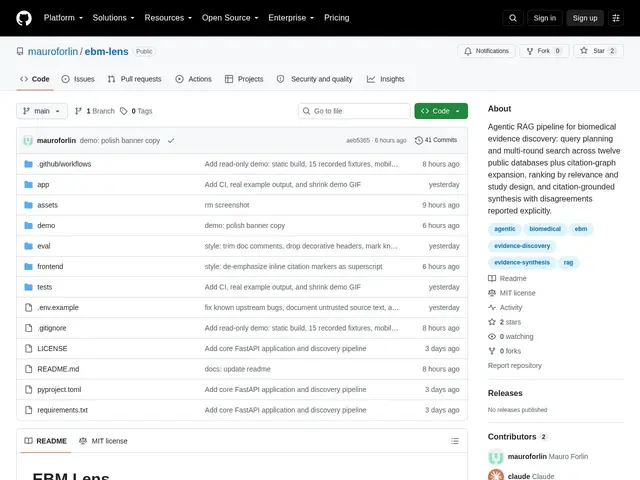
An open-source agentic RAG system that searches 12 biomedical databases and produces a source-cited synthesis of the evidence.
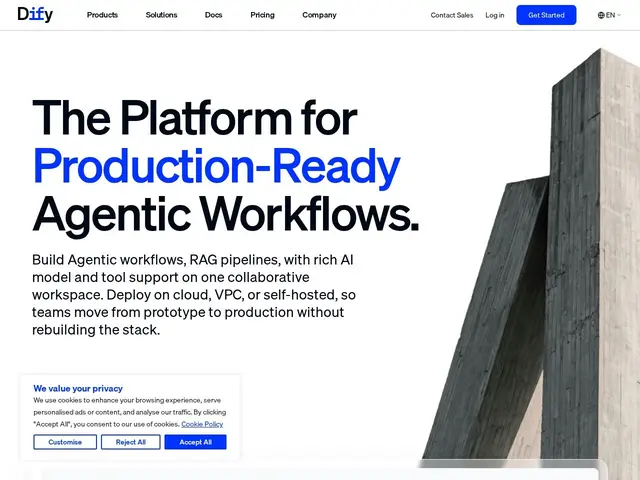
An open-source platform for building AI chatbots and automated workflows by connecting blocks on a canvas, instead of writing code from scratch.
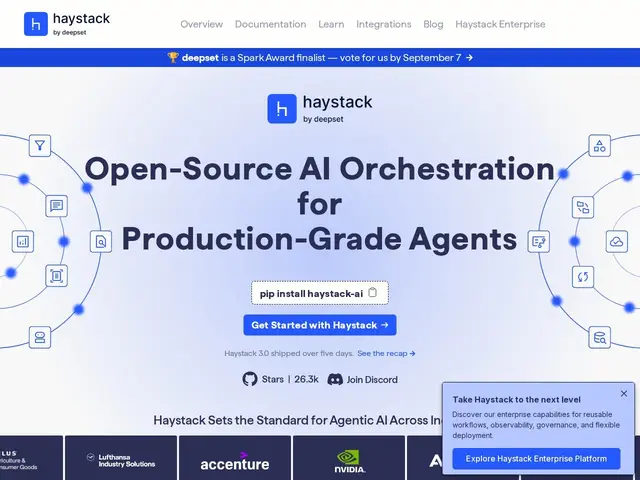
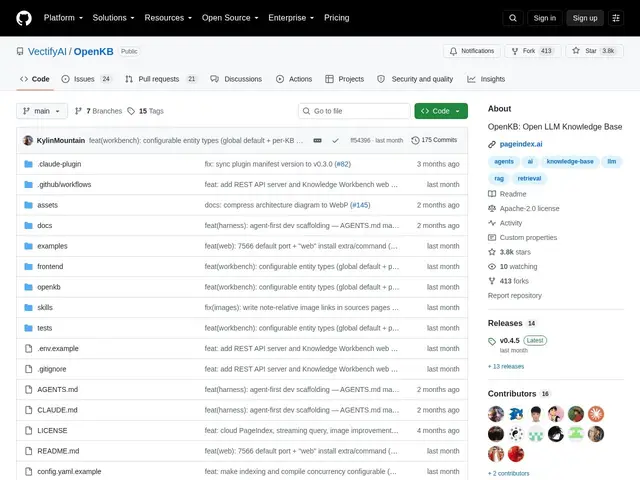
An open-source toolkit for building AI systems that answer questions using your own documents — feeding an AI model your company's PDFs, wikis, or support tickets so it answers from real content instead of guessing.
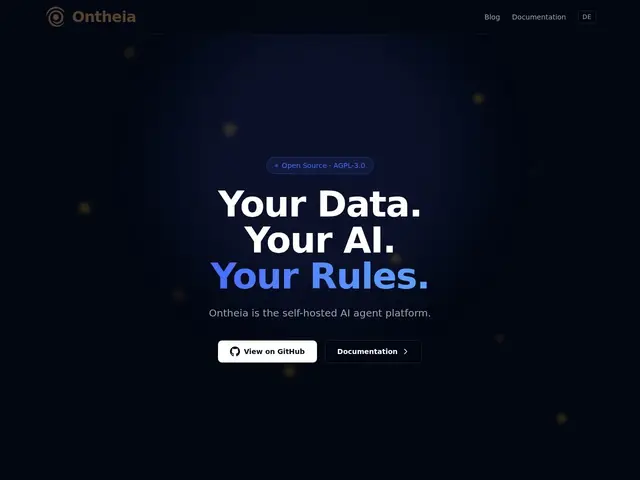
A free, open-source, self-hosted AI agent platform built for organizations that can't send data to a third-party cloud — think law firms, clinics or banks — with role-based access, memory, and support for every major AI model.
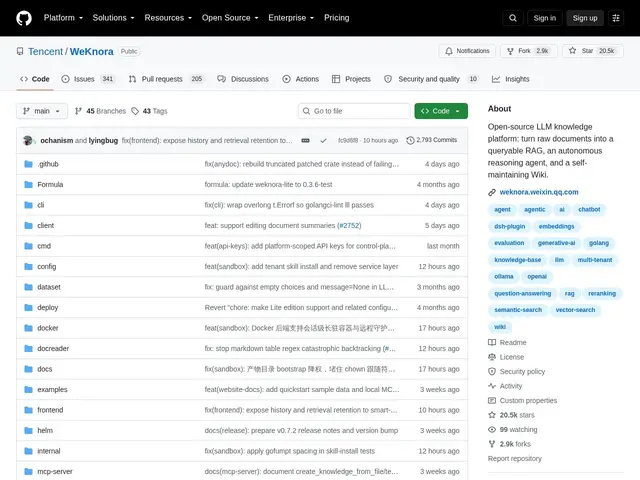
An open-source, self-hosted platform from Tencent that turns a pile of company documents into a searchable knowledge base with AI Q&A — built to plug into a very wide range of AI models and vector databases.
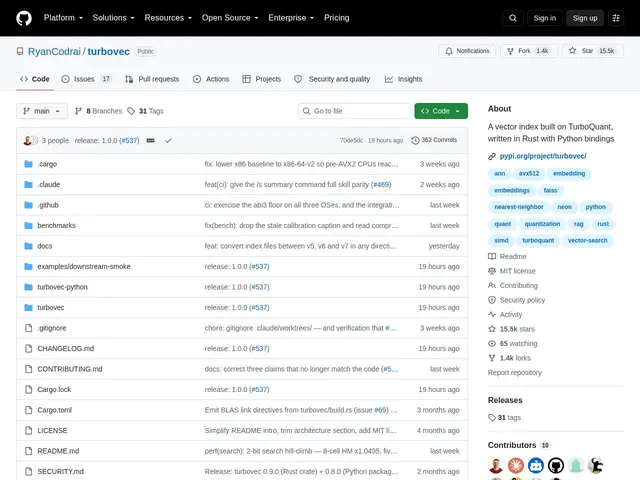
A free, open-source vector search library that finds similar items (for AI search, recommendations, RAG) faster and using far less memory than the previous standard, FAISS.
A free, open-source command-line tool that reads your documents (PDFs, Word files, spreadsheets...) and turns them into a linked wiki you can browse in Obsidian, using AI instead of manual note-taking.
An AI analyst for real estate and private-equity investment teams that reads messy deal documents and produces underwriting, valuation and reporting outputs with source citations you can actually check.
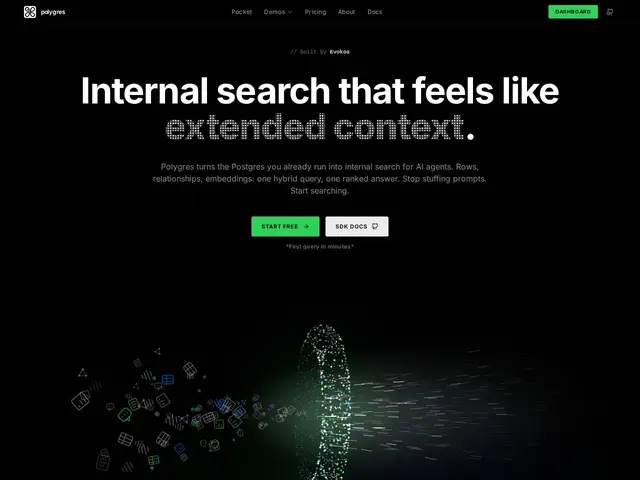
Turns a Postgres database into working memory for AI agents, with hybrid search across relational, graph, and vector queries in one call.
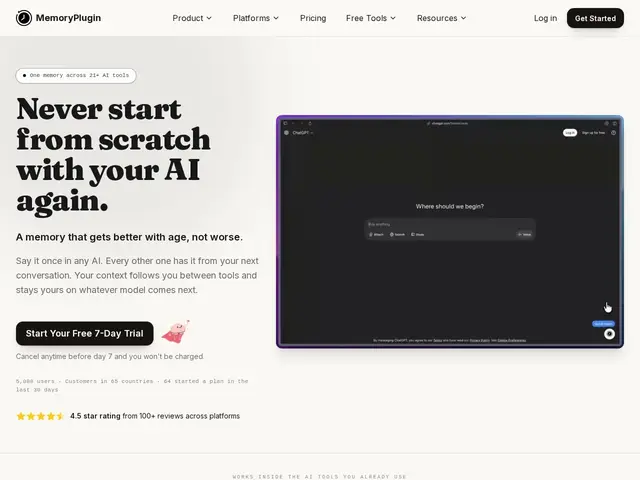
Cross-platform long-term memory system that maintains shared context across 21+ AI tools without requiring repetition.
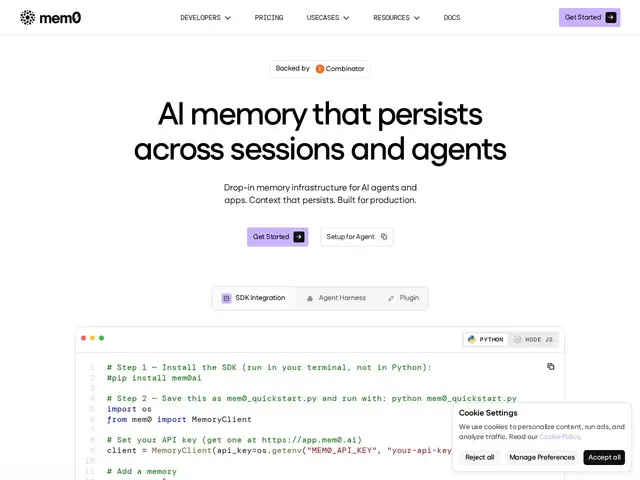
Gives AI chatbots and agents a real memory — so they remember what you told them last week — instead of forgetting everything the moment a conversation ends, the way most AI apps do by default.
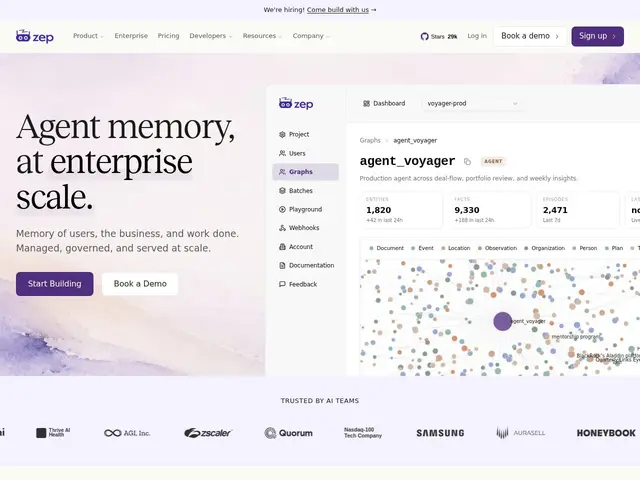
Builds a living map of everything a user has told an AI agent over time — and how those facts connect and change — so the agent can pull up exactly the right context in under 200 milliseconds instead of re-reading an entire chat history.
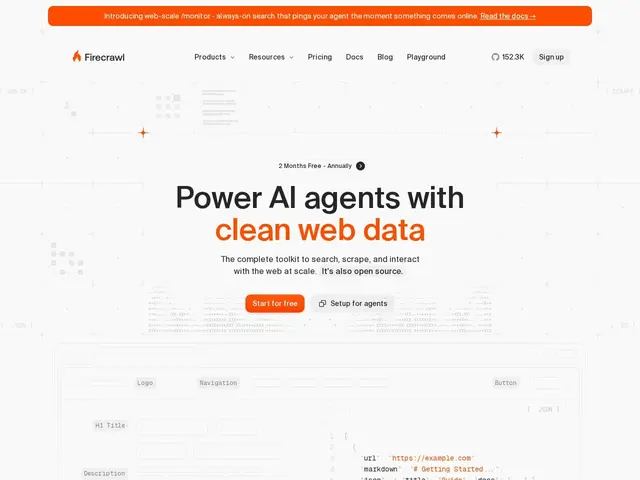
Web scraping and crawling API that turns entire websites into clean, structured data ready for AI models to read.
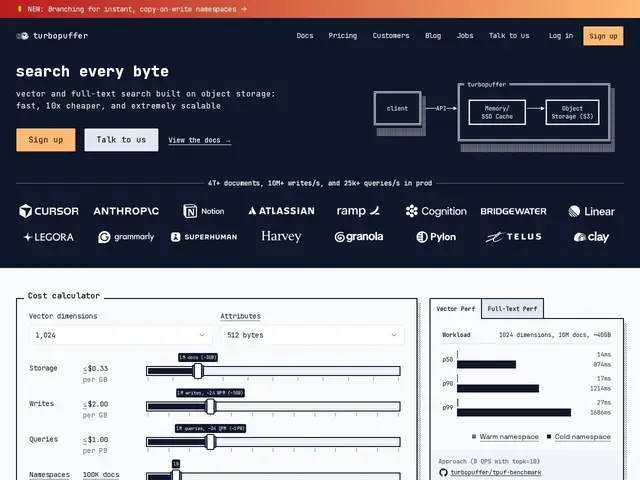
Vector + full-text search database built on object storage: cheap at scale, sub-10ms latency, used by Cursor, Notion and Linear.
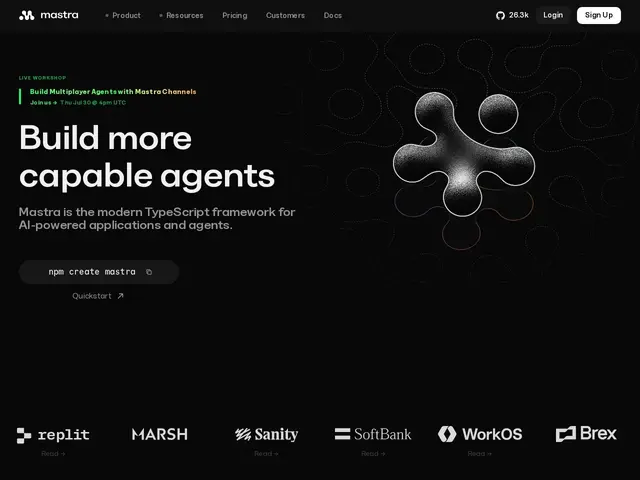
TypeScript framework for AI agents and workflows: typed tools, graph orchestration, memory, RAG and 90+ model providers.