A standalone Go rewrite of ansible-lint that checks Ansible playbooks in milliseconds with no Python or Ansible runtime installed.
github.com
38 tools curated in this category — including ansible-static-lint, Shaide, MailerLogic
techFind on mySelectas all sites and tools related to infrastructure-as-code. This selection of 38 resources is reviewed and maintained by the community. The most popular include ansible-static-lint, Shaide, MailerLogic. Each tool comes with a review, tags, comparisons and alternatives to help you make the best choice.
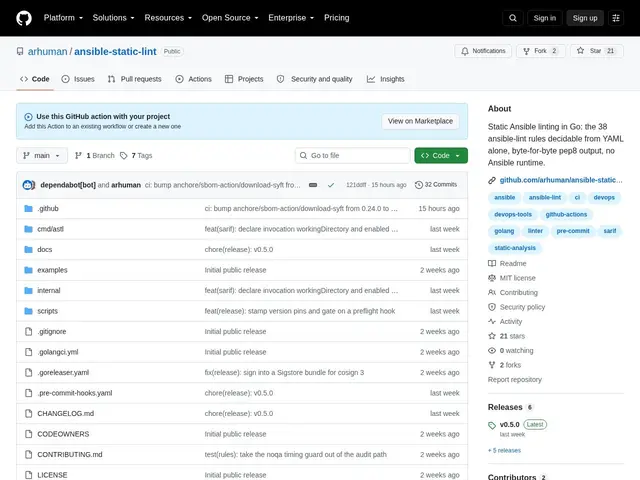
A standalone Go rewrite of ansible-lint that checks Ansible playbooks in milliseconds with no Python or Ansible runtime installed.
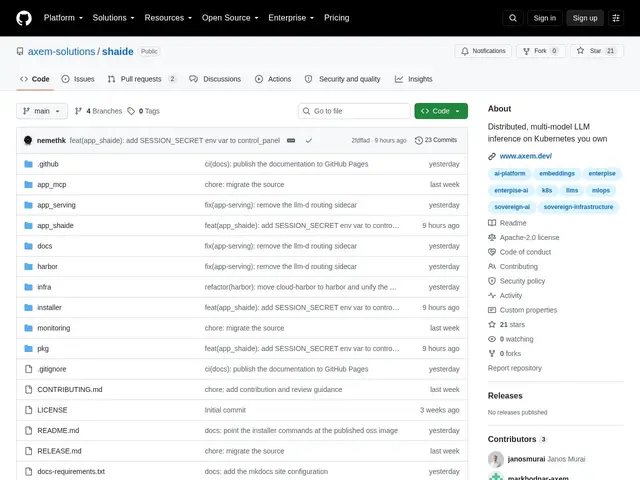
Self-hosted AI platform for distributed, multi-model LLM inference on Kubernetes clusters with single-command installation and air-gapped deployment support.
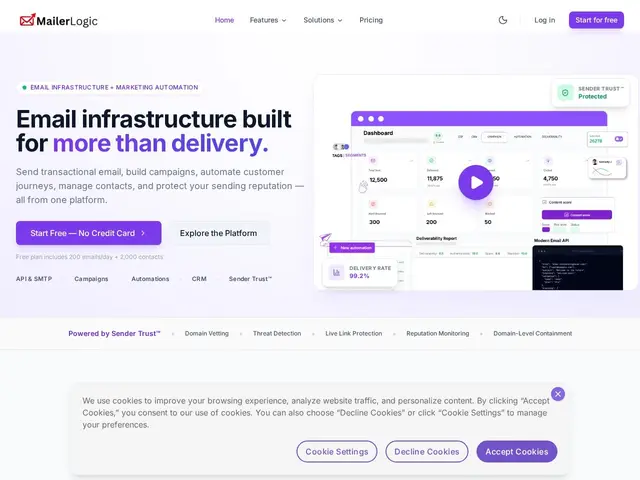
Email delivery platform combining transactional Email API, SMTP relay, CRM, and built-in deliverability intelligence for developers and SaaS companies.
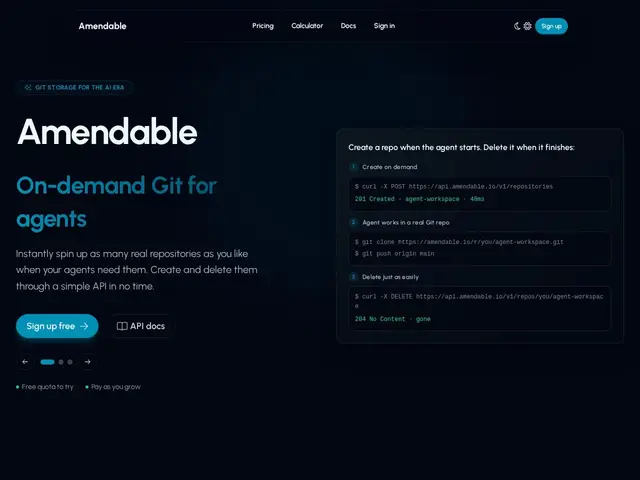
Git storage engine for AI agents and autonomous systems, enabling on-demand repository creation with API-driven management.
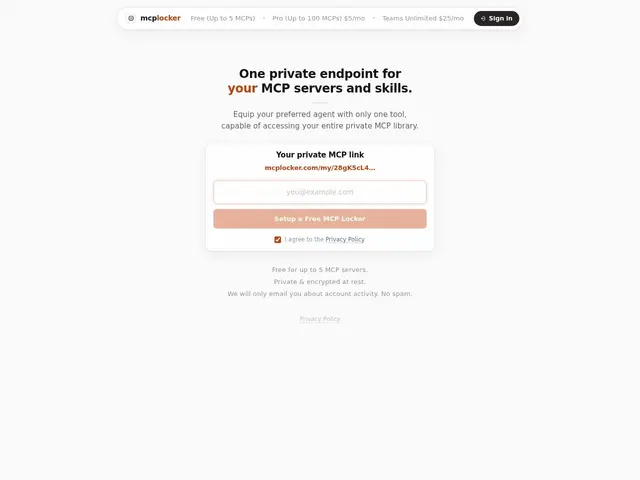
MCP Locker provides a private, hosted endpoint for securely managing and hosting personal MCP (Model Context Protocol) servers and WebMCP resources. It enables developers to run and share MCP servers through a single private endpoint without exposing infr
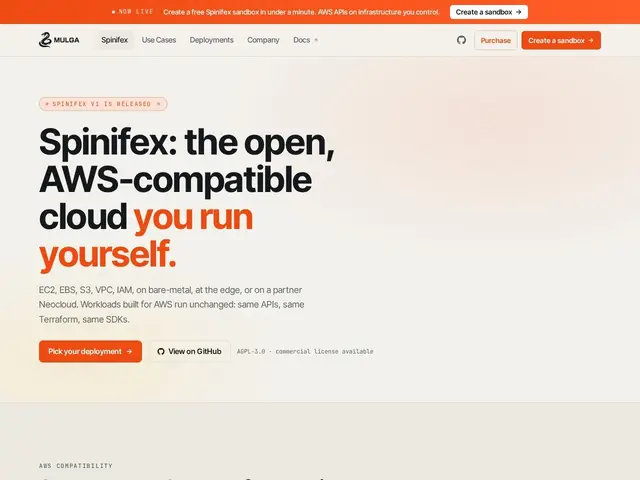
Open-source platform that runs AWS-compatible cloud services (EC2, S3, VPC, IAM) on your own bare-metal hardware, with zero external dependencies.
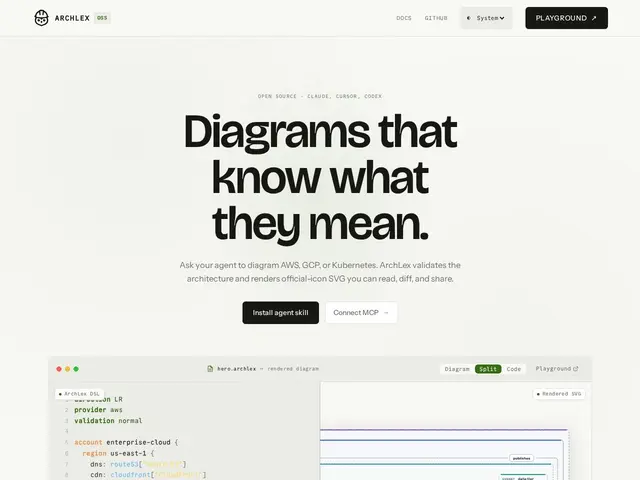
An open-source domain-specific language that turns text descriptions of AWS, GCP, and Kubernetes architecture into validated, reviewable SVG diagrams — including a version AI coding agents can call directly.
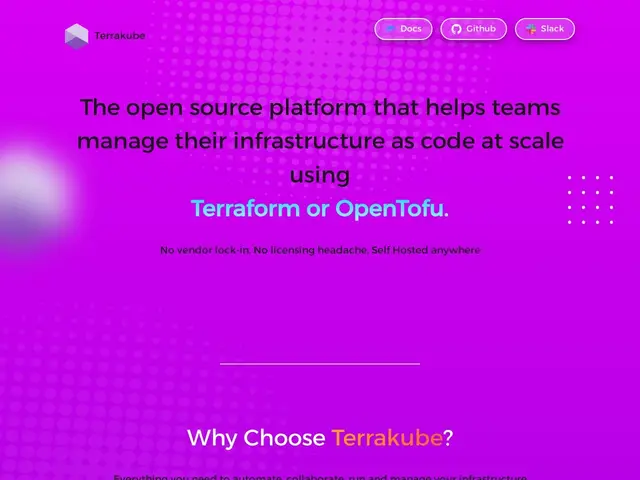
A free, self-hosted platform for running Terraform and OpenTofu as a team — shared remote runs, a private module registry, and single sign-on — built to replace what Terraform Cloud or Terraform Enterprise charge for.
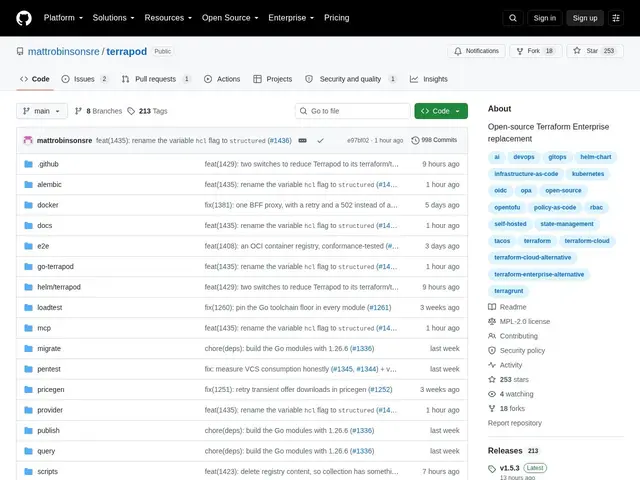
A free, self-hosted replacement for Terraform Enterprise — runs your Terraform/OpenTofu plans and applies on your own Kubernetes cluster, with the access controls and audit trail a team needs, instead of paying HashiCorp for the privilege.
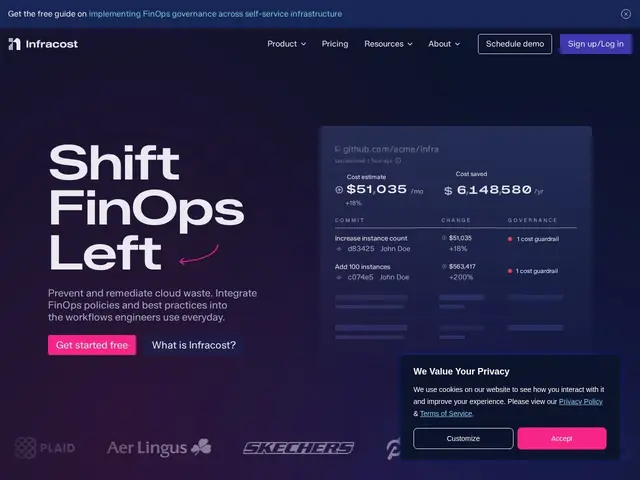
Shows you the dollar cost of an infrastructure change before you merge it — posts a cost estimate right on the pull request, the same way a code reviewer leaves a comment, so surprise cloud bills get caught before deployment instead of after.
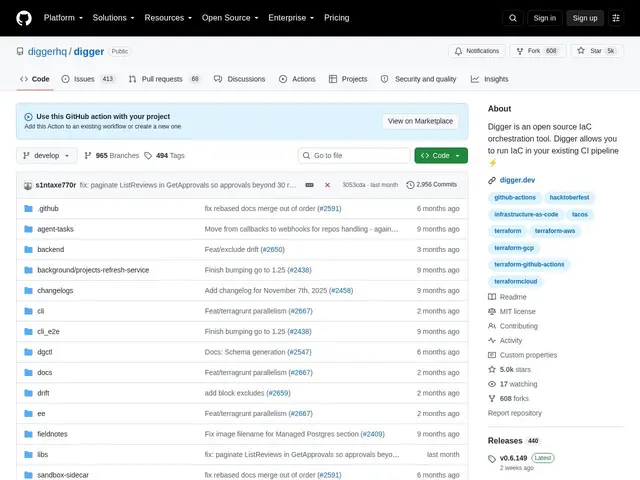
Runs your Terraform plan and apply commands inside the CI system you already use (GitHub Actions, GitLab CI, etc.) instead of making you stand up and maintain a separate server just for that — free and open source.
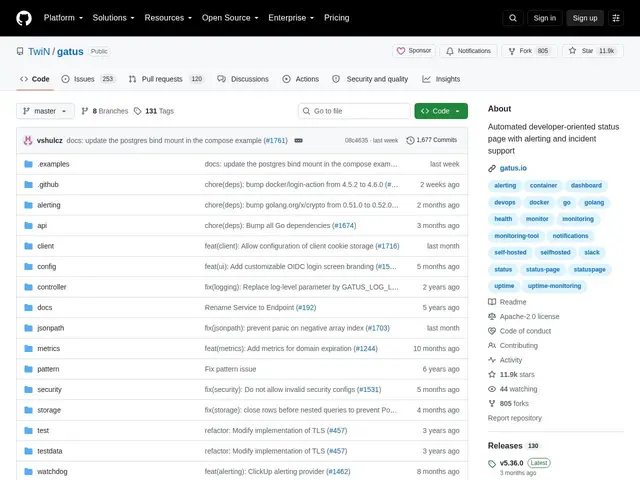
Self-hosted status-page and uptime monitor configured entirely as YAML in Git, so checks live in version control like everything else.
Describe what you need in plain English, and this platform writes the application code, the AWS infrastructure to run it, and deploys it — like hiring a cloud engineer who never sleeps.
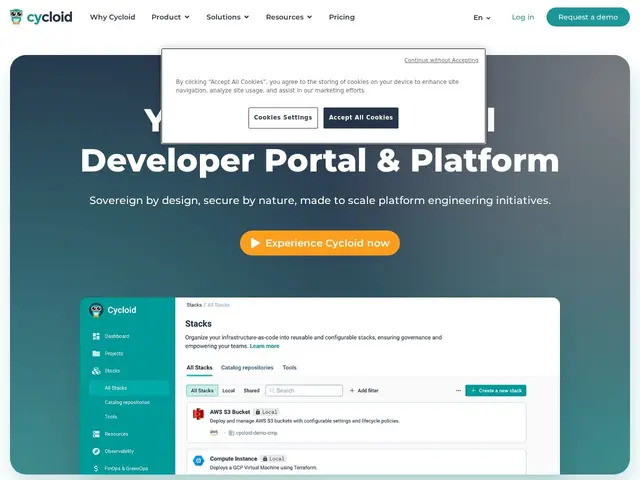
Gives platform teams a self-service portal where developers can spin up infrastructure themselves through simple forms, instead of filing a ticket and waiting on the ops team.
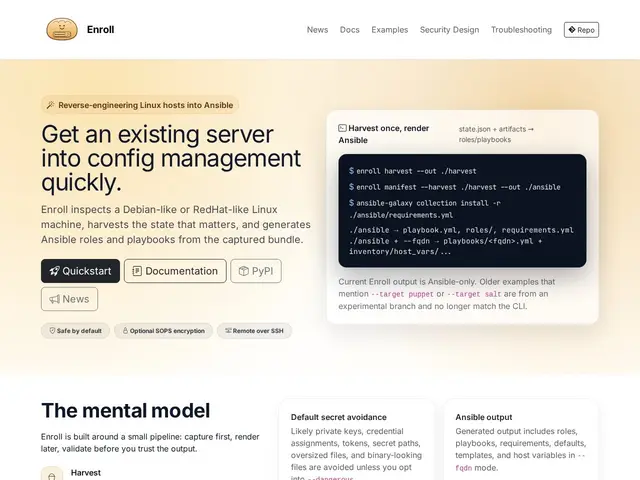
For the server nobody documented properly: Enroll looks at what's actually installed and configured on a live Linux machine and writes the Ansible files that would recreate it, instead of someone manually reverse-engineering years of undocumented changes
Cloud platform enabling deployment of real infrastructure to AWS, GCP, or Azure with centralized provisioning, scaling, and operations management.
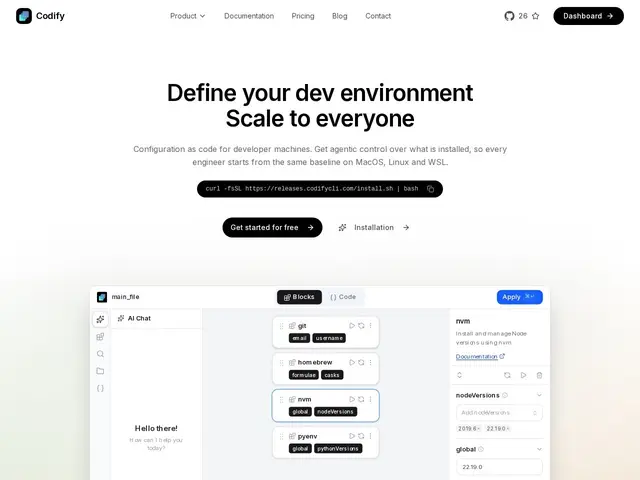
A tool that lets you describe your ideal development computer setup — which programming languages, editors, and apps you need — in a simple config file, then run one command to have it built automatically on a new machine, instead of spending a day manual
A European, publicly-traded cloud built specifically for AI workloads — GPU clusters, training, inference — for companies that want serious AI compute without depending on a US hyperscaler.
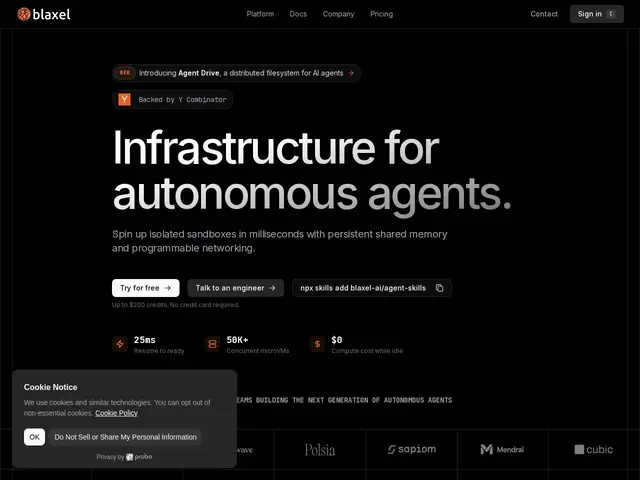
Cloud infrastructure for running autonomous AI agents at scale, with millisecond sandbox startup and near-zero idle cost.
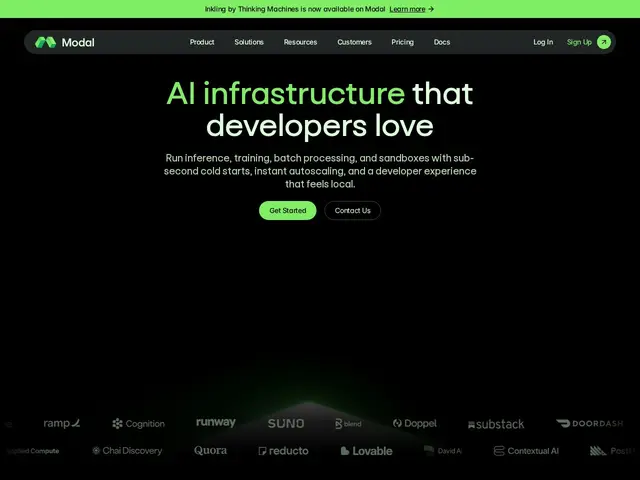
Serverless cloud platform that runs Python code, including AI model training and inference, on GPUs with sub-second startup and pay-per-second billing.