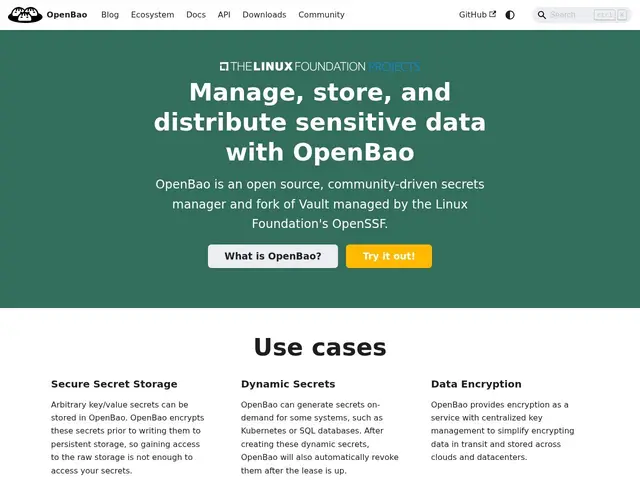
Community-governed, truly open-source secrets manager — a Linux Foundation fork of Vault, born when Vault went source-available.
openbao.org
32 tools found
Community-governed, truly open-source secrets manager — a Linux Foundation fork of Vault, born when Vault went source-available.
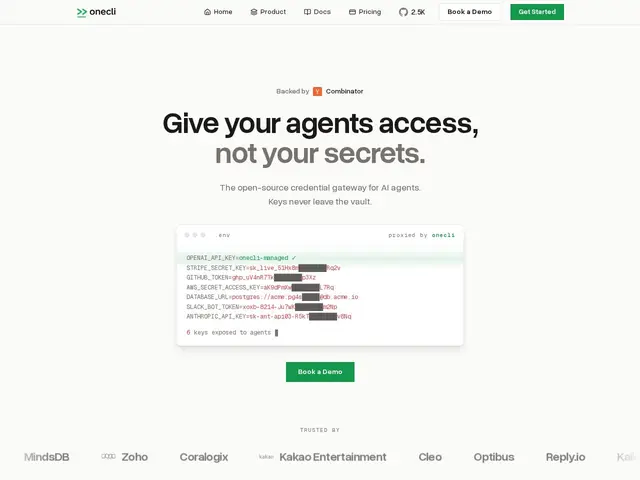
Open-source gateway that lets AI agents call APIs without ever seeing your real API keys — real secrets are injected transparently at the network level.
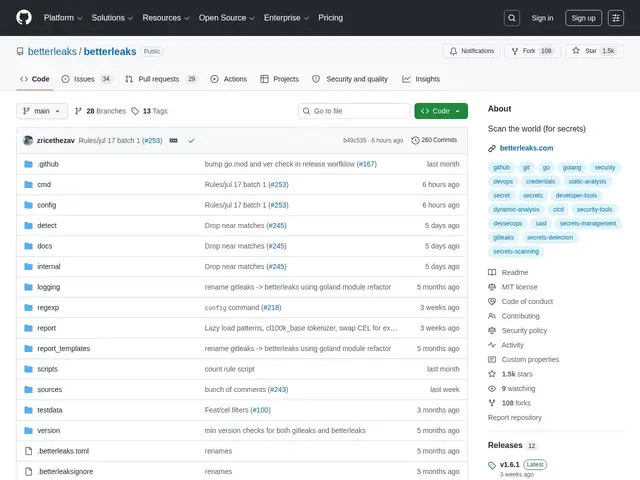
Free secrets scanner from Gitleaks' original creator: finds leaked API keys and passwords in code with far fewer false positives.
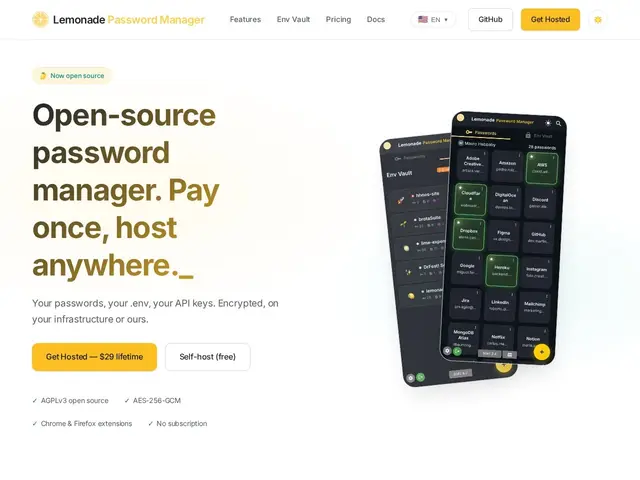
A password manager built by a developer, for developers — it stores your regular logins alongside the messier stuff, like .env files and API keys, that most password managers weren't really designed to hold.
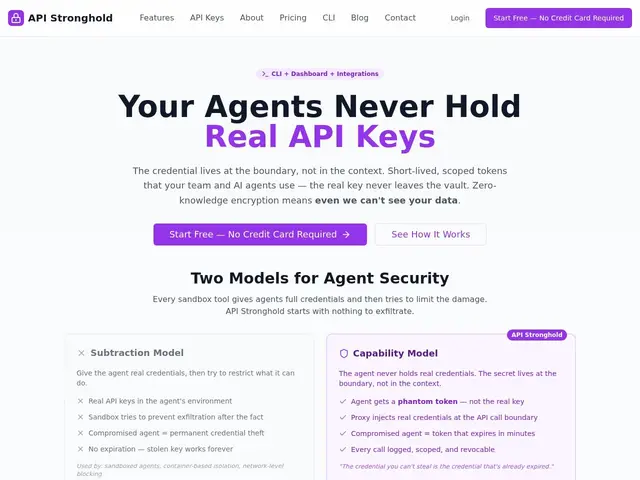
Instead of handing your AI agents and scripts your real API keys (which is dangerous if they get compromised), API Stronghold gives them temporary, limited-use tokens that expire in minutes and can't be traced back to your actual credentials.
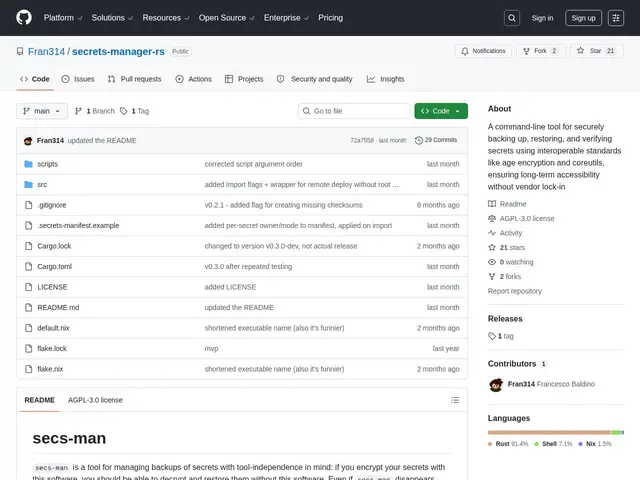
A tiny command-line tool for backing up SSH keys and other secrets so securely encrypted that you could still recover them in 10 years using nothing but standard Unix tools — even if this tool itself is long gone.
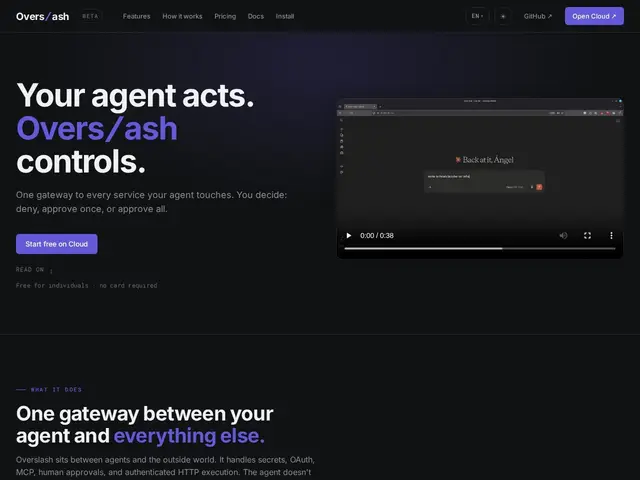
A middleman that sits between your AI agents and the online services they need to use (GitHub, Slack, AWS, and more), so the agent can act on your behalf without ever seeing your actual passwords or API keys.
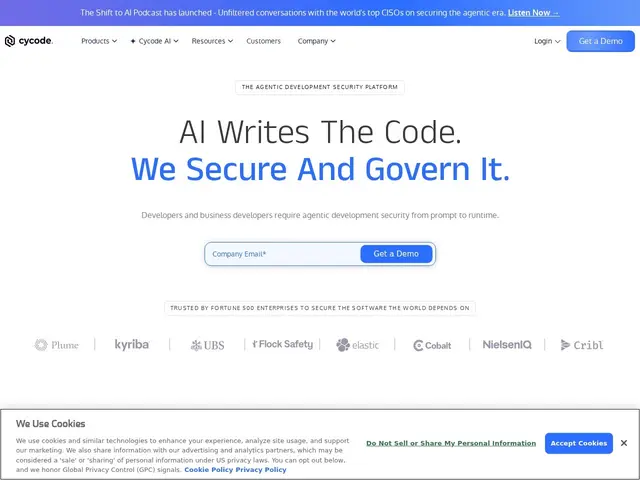
A security platform that scans your code, pipelines, and AI coding tools for vulnerabilities across your whole software supply chain, then tries to auto-fix what it finds.
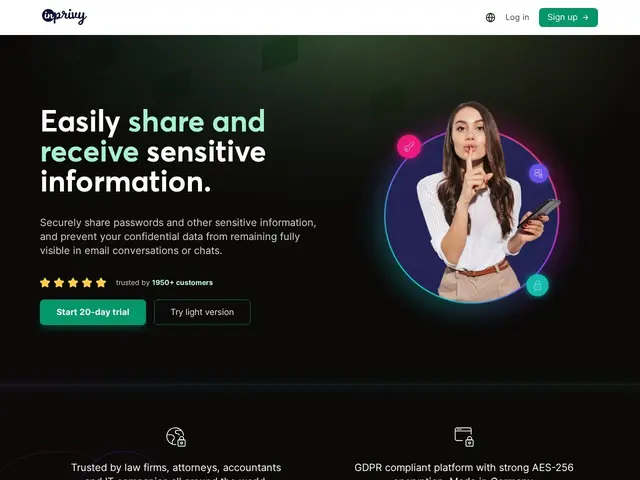
A way to send a password or API key to someone without leaving it sitting in an email or chat forever — you get a link that self-destructs after it's opened once.
A Kubernetes tool that lets developers declare which service needs to talk to which — in plain terms, like "this service needs to read that database" — and generates the actual security policies (network rules, IAM, Kafka ACLs) automatically instead of so
A platform that finds and tracks every "non-human identity" in your company — API keys, service accounts, AI agents, secrets — and flags when one of them starts behaving suspiciously.
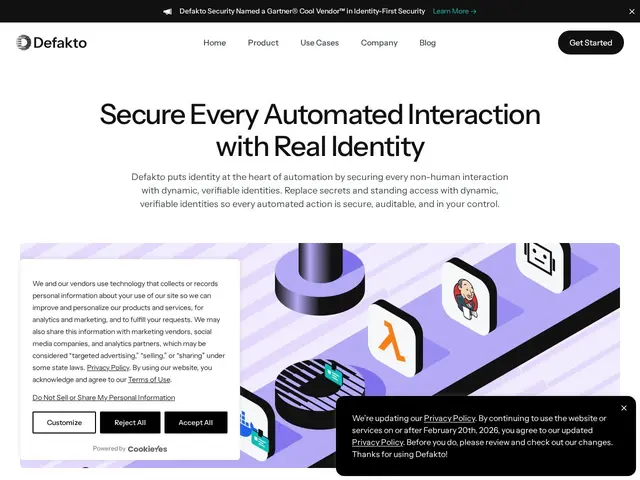
A cloud platform that manages the lifecycle of machine identities and AI agents — deciding what they're allowed to access based on what they're actually trying to do, and rotating their credentials automatically.
An identity-management tool for the machine accounts and AI agents running across your on-prem, hybrid, and cloud systems — it finds them, controls their access, and reacts automatically to problems.
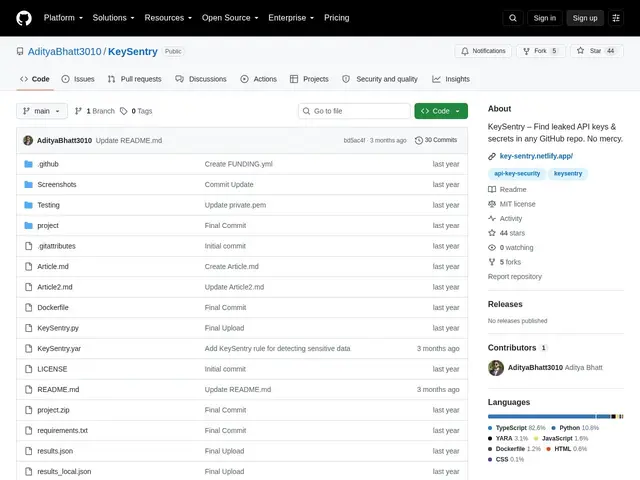
A free tool that goes through a GitHub repository looking for accidentally-committed passwords, API keys, and sensitive files — the digital equivalent of checking your pockets before publishing.
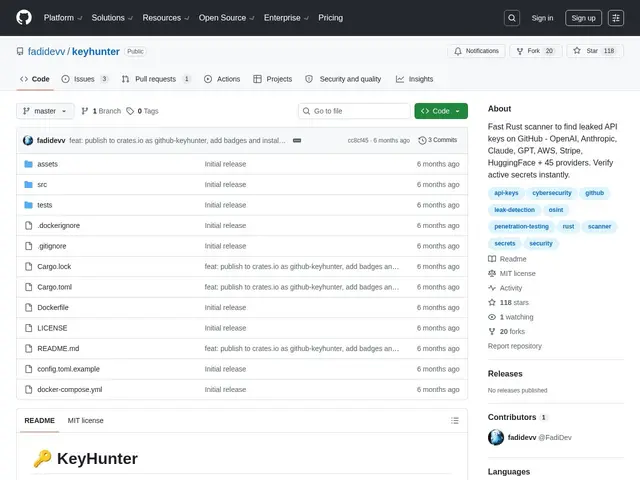
A fast, free command-line tool that searches GitHub for leaked API keys and then actually tests each one to confirm whether it still works — instead of just flagging text that looks like a key.
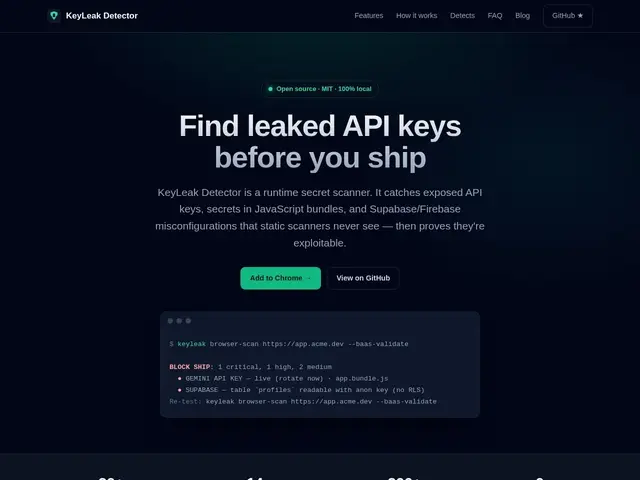
A free scanner that catches a mistake almost every web team makes eventually: accidentally leaving a real API key or database password visible in a website's code where anyone can copy it.
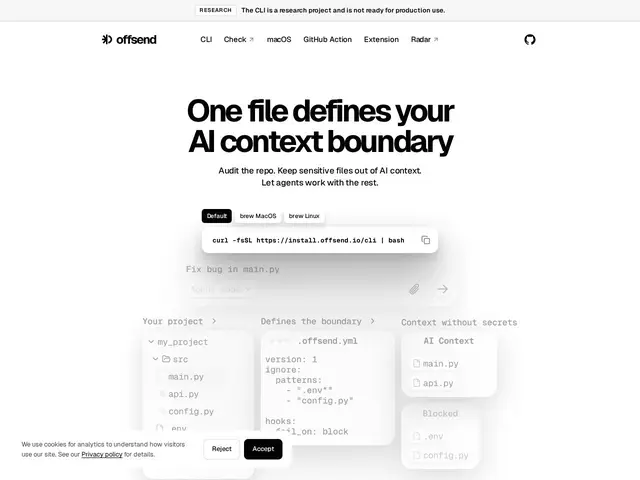
A gitignore-style rulebook for AI coding assistants: you list which files and secrets should never be shown to Cursor, Claude Code, or Windsurf, and Offsend blocks them locally before the agent ever sees your repo.
A security tool for the passwords nobody thinks about — not the ones humans type, but the ones baked into scripts, servers and automated jobs that quietly run forever with the same credentials, which is exactly what attackers look for.
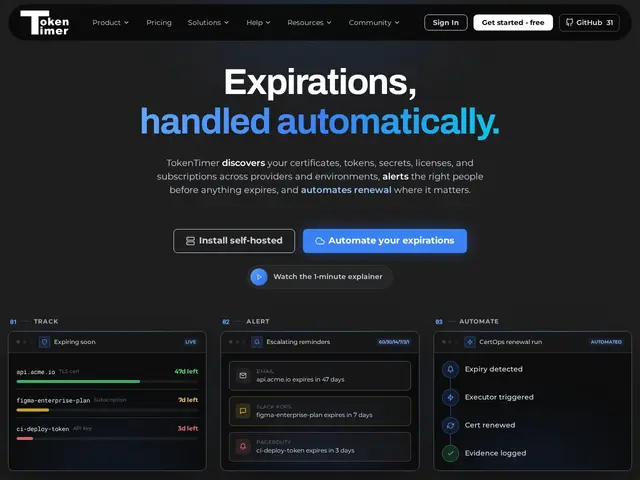
Open-source expiration tracker for certificates, API tokens, secrets and licenses, with alerts and automated renewal, self-hosted or cloud.
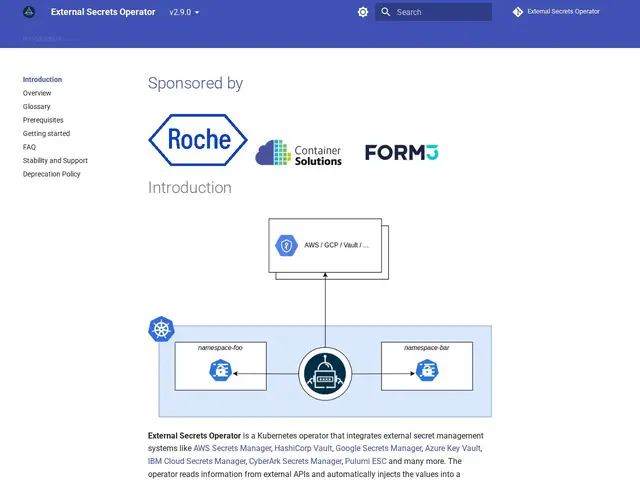
Keeps your passwords and API keys in a proper secrets vault (Vault, AWS Secrets Manager, etc.) instead of loose in Kubernetes config, while still letting your apps read them the normal Kubernetes way — free, open source, and CNCF-backed.