Website uptime monitoring
🌐 web📱 and📱 ios
uptimerobot.com
As more AI tools plug into external services through MCP (the protocol that lets AI agents call outside tools), a new problem showed up: how do you know if the MCP server you're about to integrate actually works, or if it's been abandoned and quietly stopped responding? mcpbeat answers that by actually pinging every MCP server it knows about, every 15 minutes, and publishing the results — real uptime, not just how many GitHub stars a project has. mcpbeat maintains a monitoring database of 26,000+ MCP servers across 21 categories, performing live protocol handshakes every 15 minutes to verify responsiveness and detect when previously-exposed tools disappear. Its ranking algorithm weights responsiveness (40 points), weekly install activity (40 points), and exposed tool count (20 points) to produce a reliability score independent of popularity metrics like stars. The free tier lets anyone watch 3 servers with weekly email summaries; paid tiers ($20–$500/month) add unlimited monitoring, instant alerts via Slack/Discord/Teams, historical trend data, and auditor-ready reports, with enterprise API access starting at $500/month.
| # | Tool | Best for | Price |
|---|---|---|---|
| 1 | Développeurs | — | |
| 2 | Developers, freelancers, and agencies monitoring uptime and security posture for client sites | — | |
| 3 | DevOps/SRE teams, especially in regulated/data-residency-constrained environments | — | |
| 4 | Developers and engineers building AI applications needing production observability | — | |
| 5 | Teams wanting self-hosted uptime monitoring with fewer false alarms | — | |
| 6 | Développeurs et équipes techniques voulant surveiller le web en continu sans dépendre d'un seul moteur de recherche | — | |
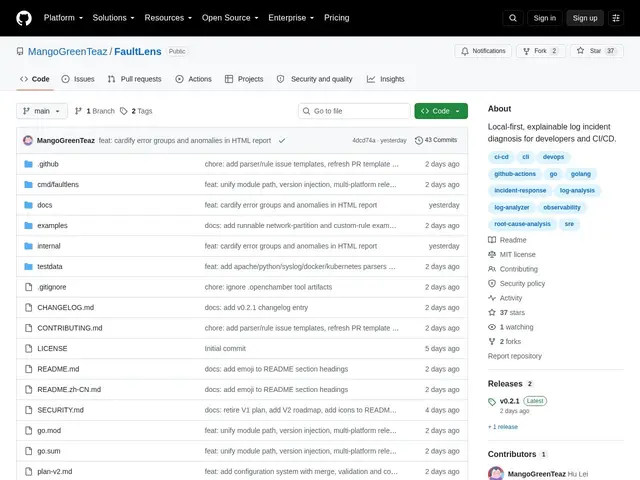
| 7 | Développeurs et équipes CI/CD voulant diagnostiquer des incidents localement sans envoyer leurs logs dans le cloud | — | |
| 8 | Équipes DevOps et self-hosters gérant quelques serveurs/containers qui veulent un tableau de bord de disponibilité | — | |
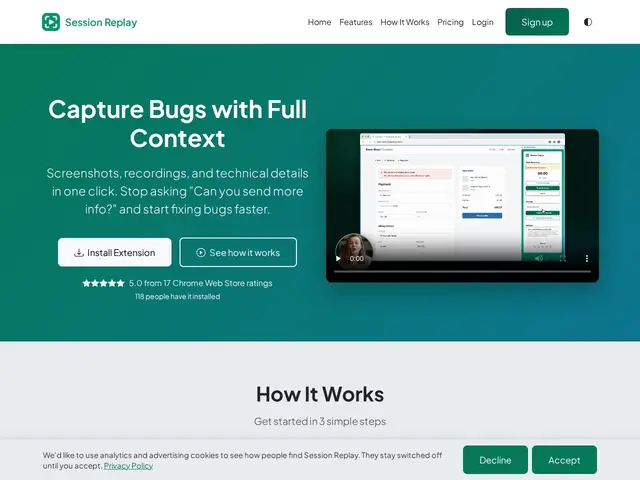
| 9 | Équipes QA, développeurs et support technique qui reçoivent des rapports de bugs imprécis de la part de non-techniciens | — | |
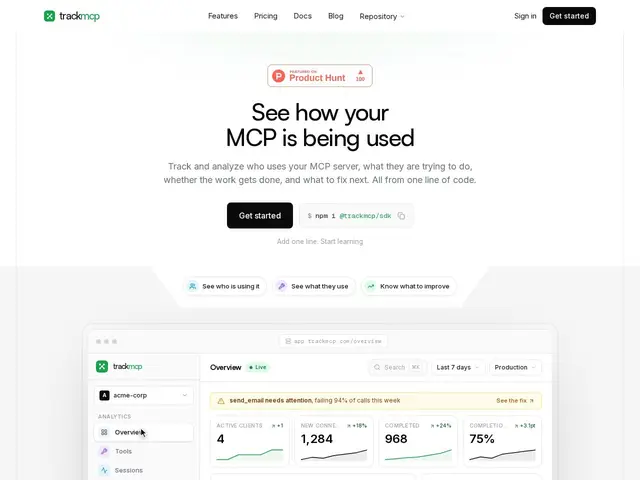
| 10 | Développeurs et mainteneurs de serveurs MCP voulant des analyses d'usage et de fiabilité | — | |
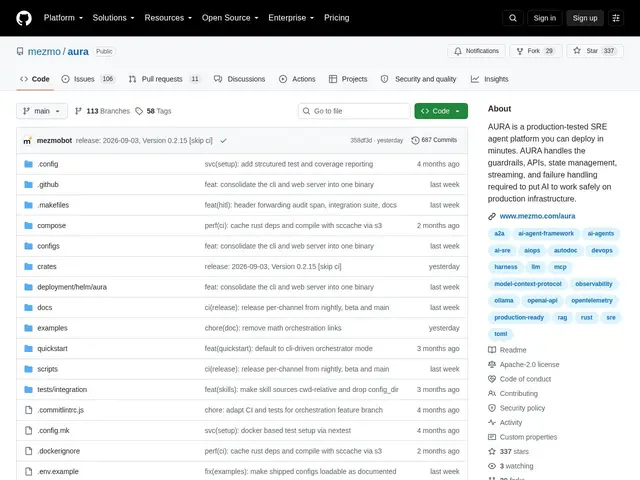
| 11 | Équipes SRE et ops voulant expérimenter la réponse aux incidents assistée par IA avec des garde-fous | — | |
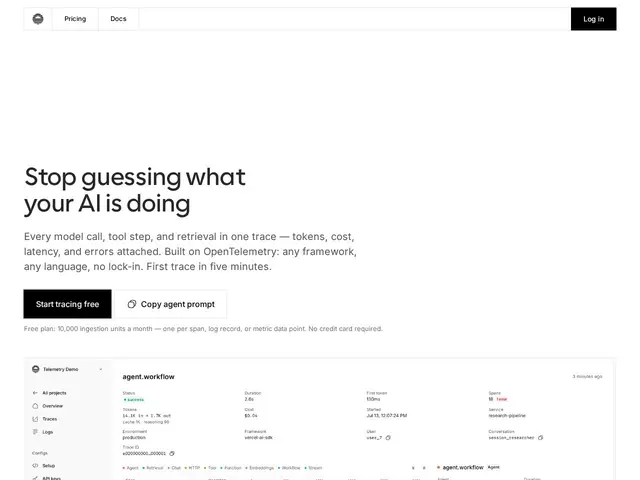
| 12 | Équipes construisant des applications LLM/agents ayant besoin de tracer coûts et performance des appels modèles | — |
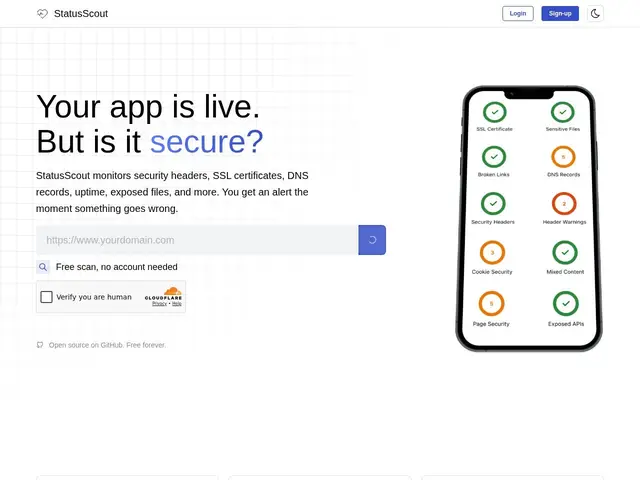
Open-source security and uptime monitoring that scans for missing security headers, expiring SSL certs, exposed secrets, and downtime.
Self-hosted, AI-powered root cause analysis for on-call alerts from Grafana, Datadog and Prometheus.
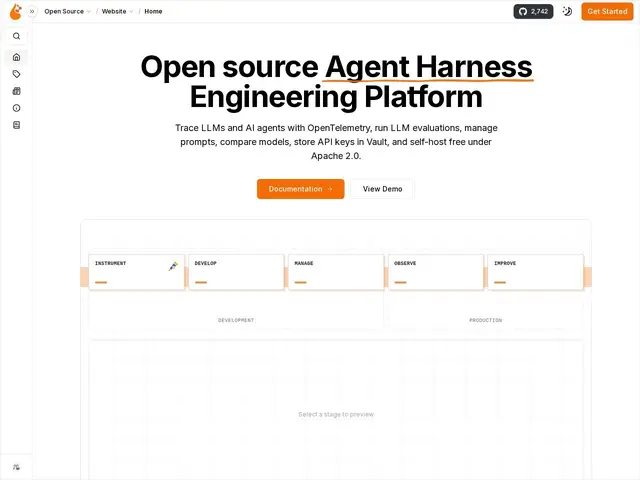
Open-source, self-hosted observability platform for LLM applications, built on OpenTelemetry.
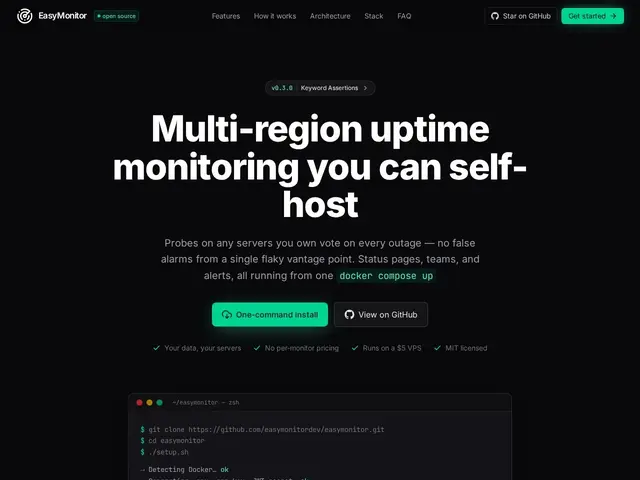
Self-hosted uptime monitoring with multi-region quorum voting to cut false alarms.
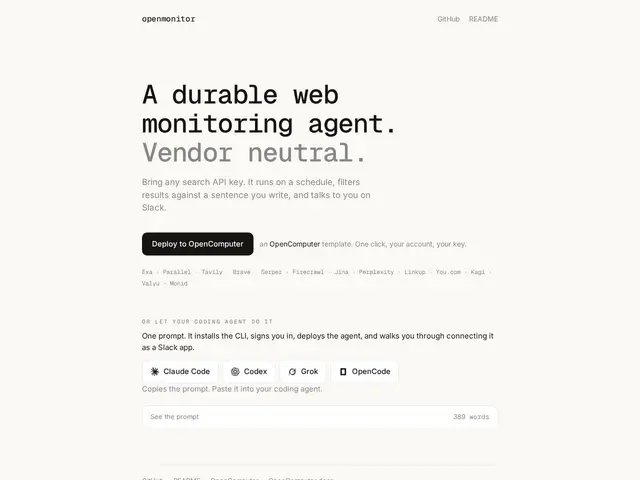
An open-source cloud agent that keeps re-running a web search on a schedule across 13+ search providers, and pings Slack or a webhook only when something new matches your criteria.
A local-first, offline log analysis tool written in Go that turns raw application logs into structured incident diagnoses with evidence-based root-cause hypotheses.
A lightweight, self-hosted service health dashboard written in Go that auto-discovers Docker containers and monitors uptime via heartbeats and active HTTP/TCP/ICMP checks.
Chrome extension that captures a screenshot, video, console logs, and network details of a bug in one click, no manual writeup needed
One-line analytics integration for MCP servers, showing which AI clients connect, tool adoption, and silent failures
Open-source platform for letting AI agents safely investigate and respond to production incidents, with built-in guardrails
Observability platform purpose-built for tracing and cost-tracking LLM applications