Website uptime monitoring
🌐 web📱 and📱 ios
uptimerobot.com
Launching a website is easy; knowing whether it's actually secure and staying up is harder — most site owners find out about an expired SSL certificate or a leaked API key only after something breaks or a security researcher emails them. StatusScout runs continuous checks in the background and tells you the moment something's wrong: your site is down, your SSL certificate is about to expire, a critical security header is missing, or a config file with real secrets in it is sitting exposed on the public internet. StatusScout is open-source and self-hostable, monitoring uptime 24/7, SSL certificate expiration, browser security headers, subdomain takeover risks (SPF/DKIM/DMARC), exposed secrets and config files, and scheduled tests of key user flows like signup or checkout. It works on any stack or framework and sends alerts via email, SMS, or ntfy. It offers a free scan with no signup required, a free-forever self-hosted tier, and paid managed hosting starting at $19/month for teams that don't want to run it themselves.
| # | Tool | Best for | Price |
|---|---|---|---|
| 1 | Développeurs | — | |
| 2 | DevOps/SRE teams, especially in regulated/data-residency-constrained environments | — | |
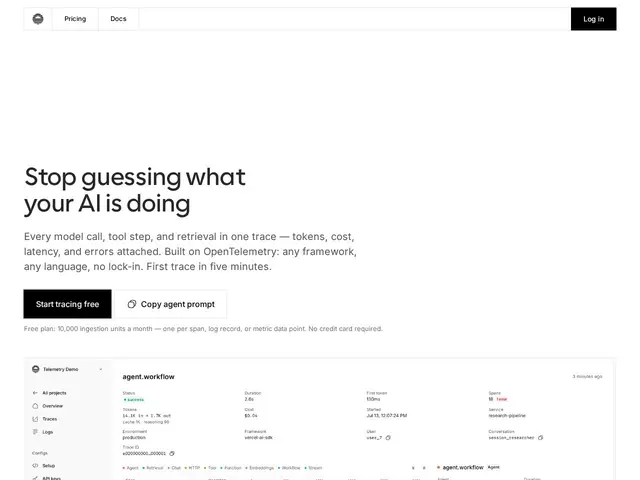
| 3 | Developers and engineers building AI applications needing production observability | — | |
| 4 | Teams wanting self-hosted uptime monitoring with fewer false alarms | — | |
| 5 | Développeurs et équipes techniques voulant surveiller le web en continu sans dépendre d'un seul moteur de recherche | — | |
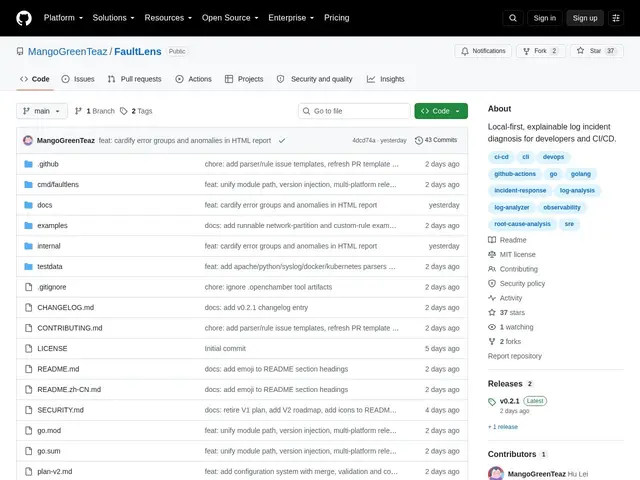
| 6 | Développeurs et équipes CI/CD voulant diagnostiquer des incidents localement sans envoyer leurs logs dans le cloud | — | |
| 7 | Équipes DevOps et self-hosters gérant quelques serveurs/containers qui veulent un tableau de bord de disponibilité | — | |
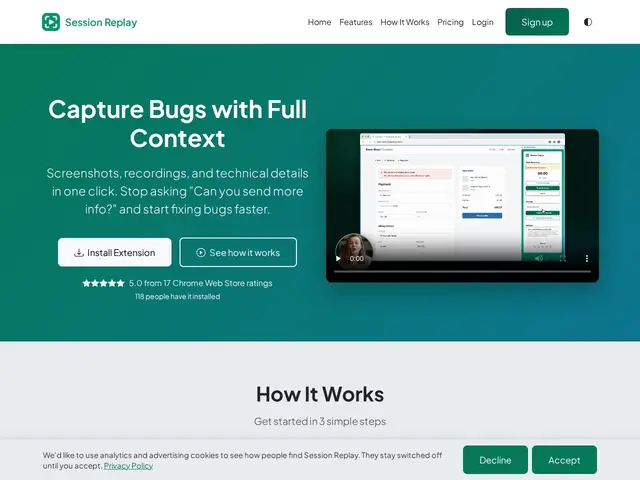
| 8 | Équipes QA, développeurs et support technique qui reçoivent des rapports de bugs imprécis de la part de non-techniciens | — | |
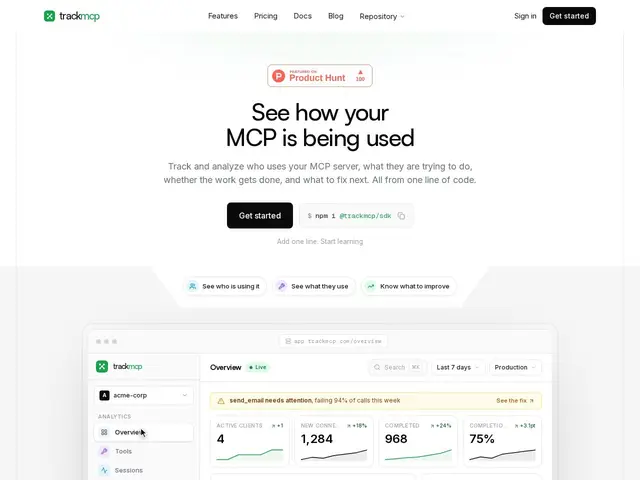
| 9 | Développeurs et mainteneurs de serveurs MCP voulant des analyses d'usage et de fiabilité | — | |
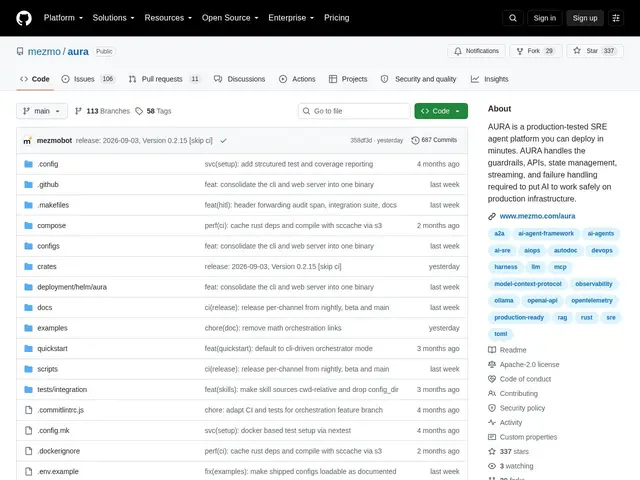
| 10 | Équipes SRE et ops voulant expérimenter la réponse aux incidents assistée par IA avec des garde-fous | — | |
| 11 | Équipes construisant des applications LLM/agents ayant besoin de tracer coûts et performance des appels modèles | — | |
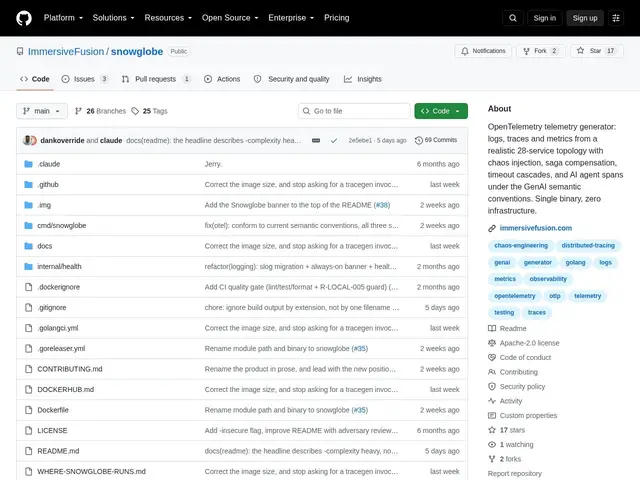
| 12 | Équipes développant ou évaluant des outils d'observabilité/APM ayant besoin de données de télémétrie réalistes sans vraie infra | — |
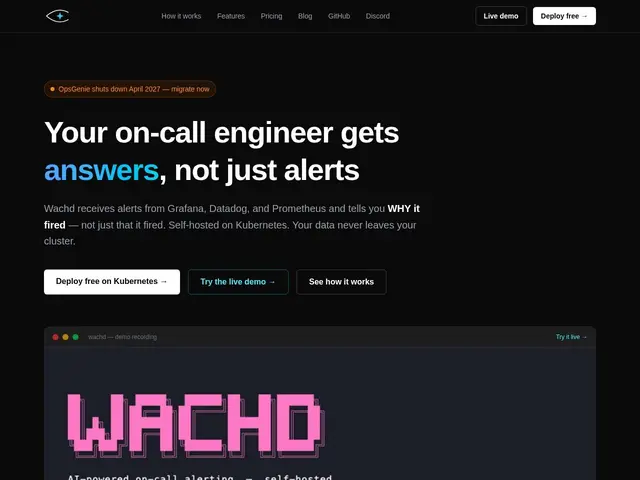
Self-hosted, AI-powered root cause analysis for on-call alerts from Grafana, Datadog and Prometheus.
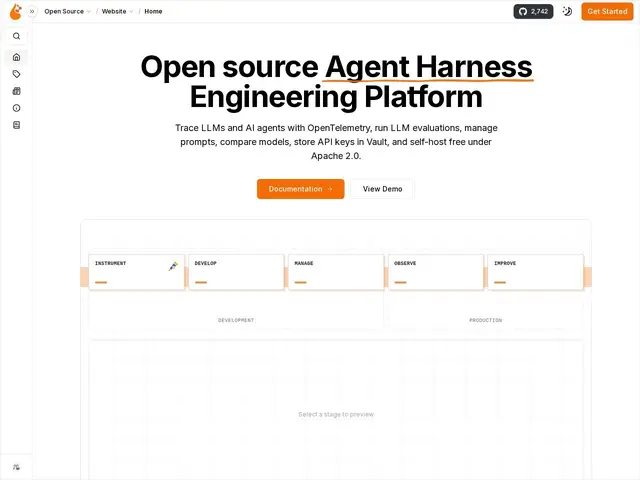
Open-source, self-hosted observability platform for LLM applications, built on OpenTelemetry.
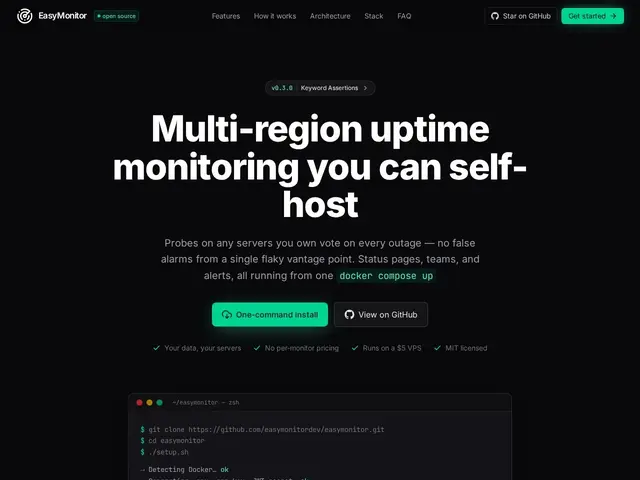
Self-hosted uptime monitoring with multi-region quorum voting to cut false alarms.
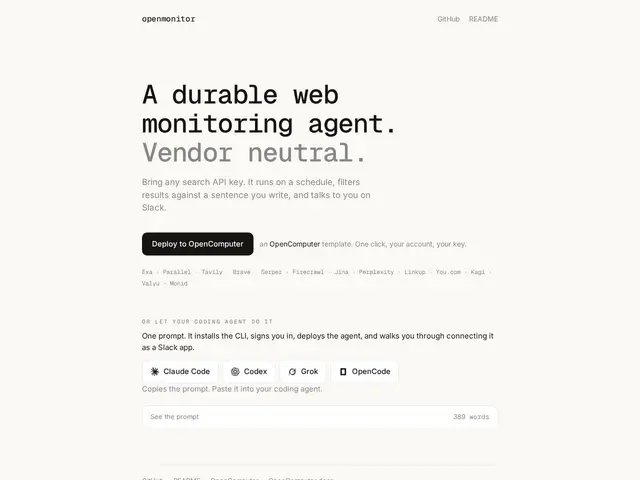
An open-source cloud agent that keeps re-running a web search on a schedule across 13+ search providers, and pings Slack or a webhook only when something new matches your criteria.
A local-first, offline log analysis tool written in Go that turns raw application logs into structured incident diagnoses with evidence-based root-cause hypotheses.
A lightweight, self-hosted service health dashboard written in Go that auto-discovers Docker containers and monitors uptime via heartbeats and active HTTP/TCP/ICMP checks.
Chrome extension that captures a screenshot, video, console logs, and network details of a bug in one click, no manual writeup needed
One-line analytics integration for MCP servers, showing which AI clients connect, tool adoption, and silent failures
Open-source platform for letting AI agents safely investigate and respond to production incidents, with built-in guardrails
Observability platform purpose-built for tracing and cost-tracking LLM applications
Fake but realistic telemetry generator to test your observability stack without real infrastructure