Informatique🌐 EN
Appium
#awesome-*#informatique
appium.io
📄 Full details →
👥 Target audience
Développeurs
🌍 Target countries
Monde
🗣️ Available languages
FREN
🔄 Alternatives
🔗 Visit AppiumSeleniumEspresso
Testing a mobile app the traditional way usually means writing brittle scripts that break every time a button moves or a screen gets redesigned — and then someone on the team has to spend hours fixing them instead of building the product. Drizz tries to remove that tax: you describe what you want tested in plain English, like you'd explain it to a new teammate, and the platform figures out how to run that test on a real phone or tablet, adjusting automatically when the app's interface changes. Drizz executes tests on real Android and iOS devices using vision-AI-powered execution rather than brittle CSS/XPath-style selectors, which is what makes the 'self-healing' claim work in practice — when a button moves or a layout shifts, the AI re-locates the element instead of failing the whole test run. It plugs into existing CI/CD pipelines, supports writing a test once and running it on both platforms, includes accessibility testing, and gives centralized app management plus precision debugging with screenshots and logs when something does fail. The company positions Drizz against script-heavy tools like Appium, and cloud device farms like BrowserStack and LambdaTest, arguing that natural-language authoring cuts the maintenance burden those tools still require.
| # | Tool | Best for | Price |
|---|---|---|---|
| 1 | Développeurs | — | |
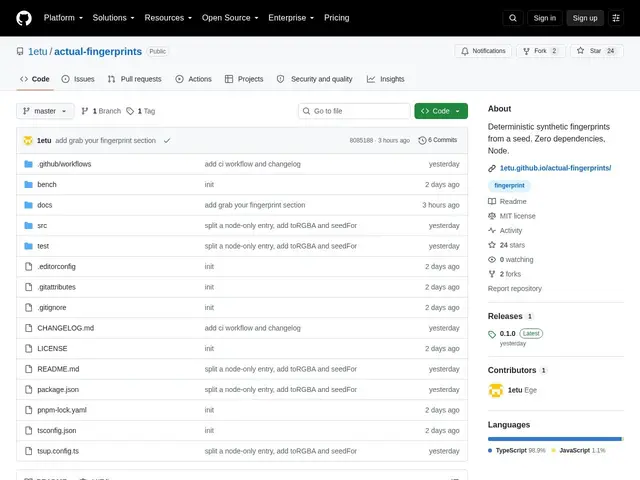
| 2 | Développeurs ayant besoin d'empreintes digitales synthétiques reproductibles pour tests, démos ou jeux (ex. serveurs FiveM) | — | |
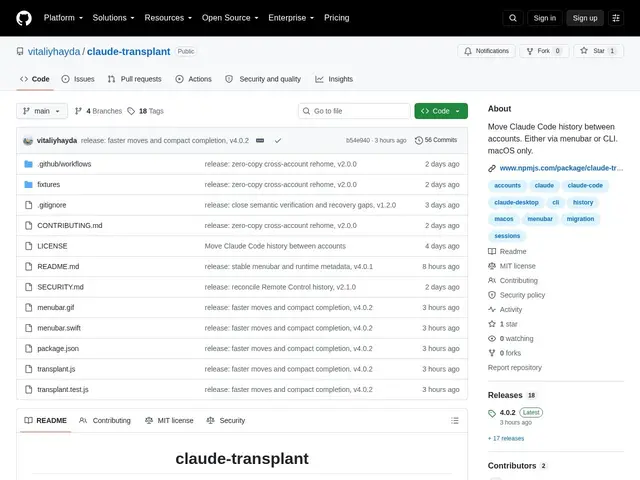
| 3 | Claude Code/Desktop users managing multiple accounts or organizations | — | |
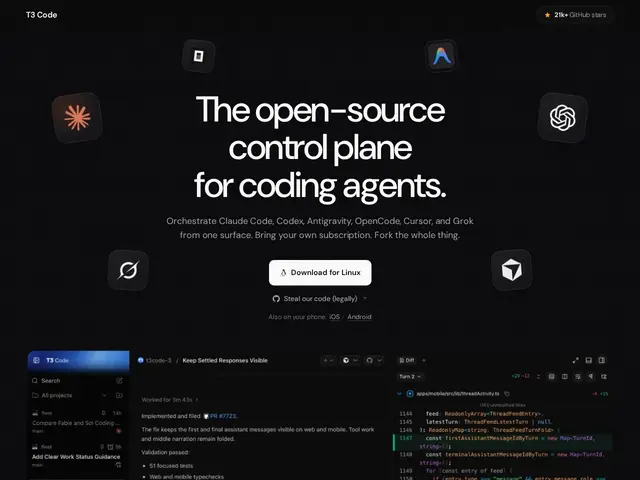
| 4 | Developers using multiple AI coding assistants who want a unified interface | — | |
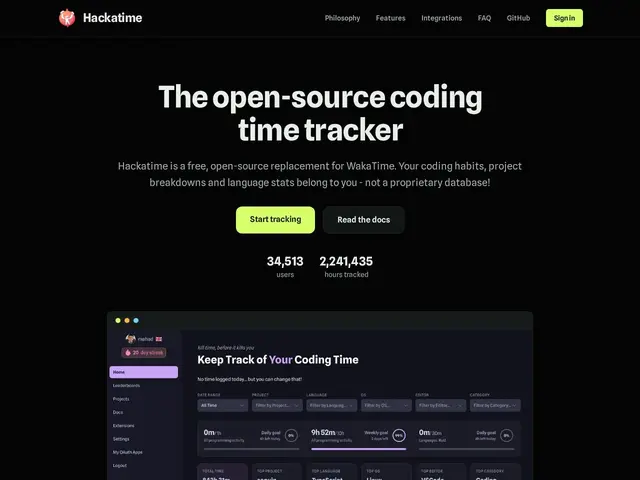
| 5 | Individual developers and students wanting free coding time tracking | — | |
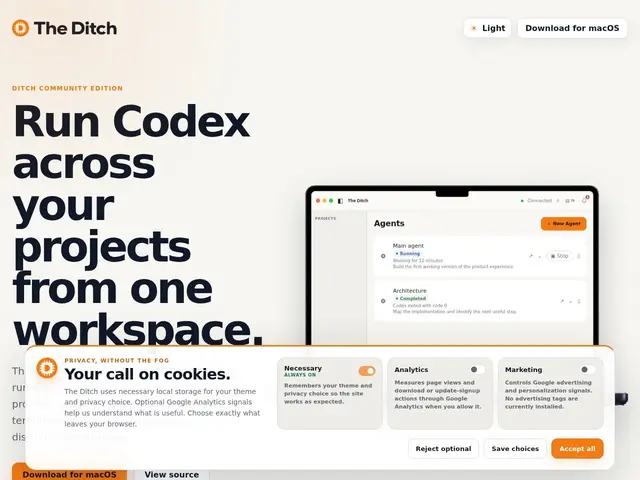
| 6 | Solo founders et indie hackers gérant plusieurs projets en parallèle avec des agents de codage IA (Codex) | — | |
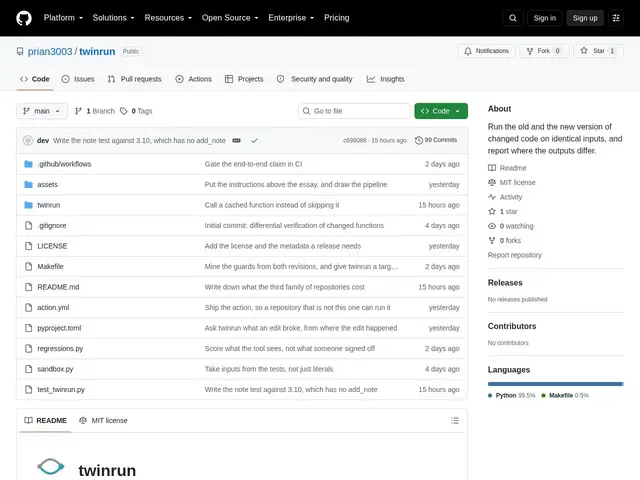
| 7 | Développeurs Python faisant du refactoring, des migrations, ou de la détection de régression comportementale | — | |
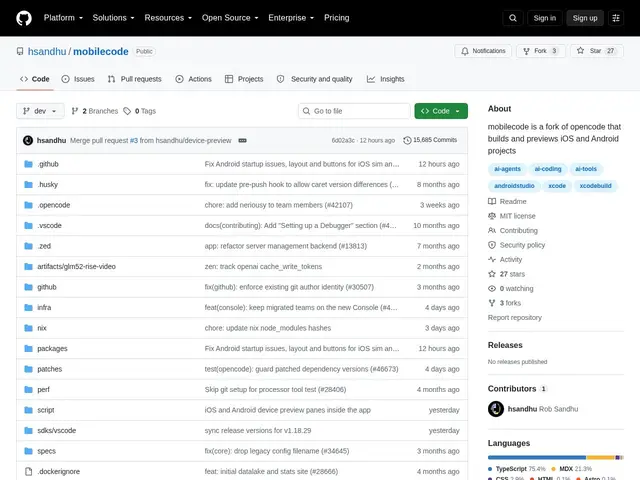
| 8 | Développeurs mobile (iOS/Android) voulant un agent de codage IA avec prévisualisation live de l'appareil | — | |
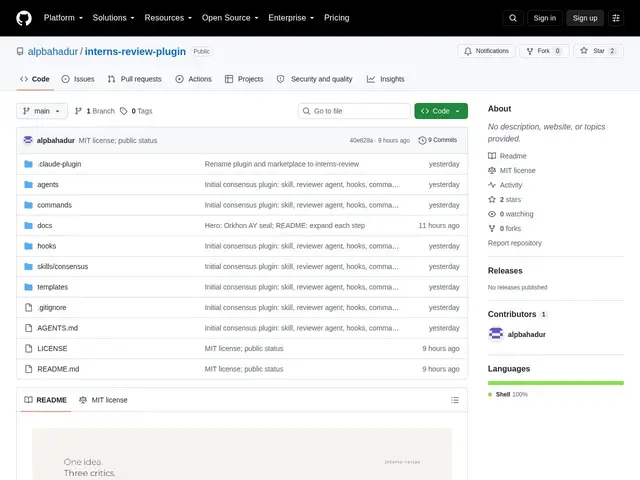
| 9 | Développeurs utilisant Claude Code ou d'autres agents de codage voulant un garde-fou qualité avant implémentation | — | |
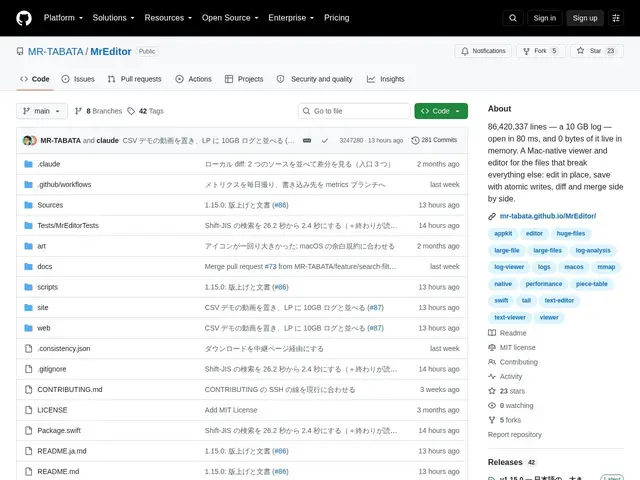
| 10 | Développeurs et admins systèmes (DevOps) gérant de gros fichiers logs/CSV | — | |
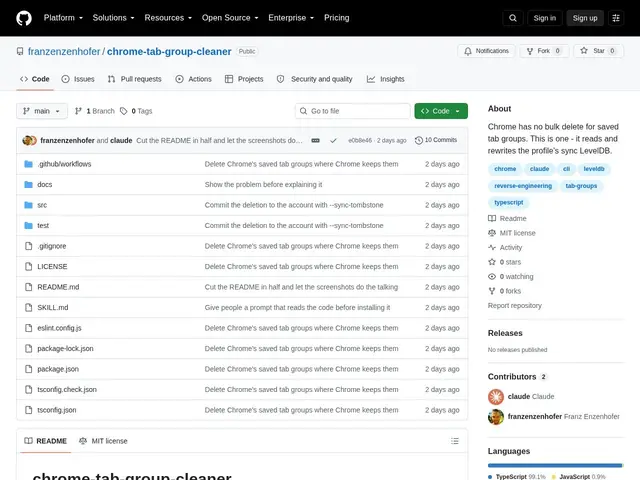
| 11 | Développeurs et utilisateurs power-user de Chrome/Chromium/Brave/Edge accumulant des groupes d'onglets, notamment via des agents IA comme Claude Code | — | |
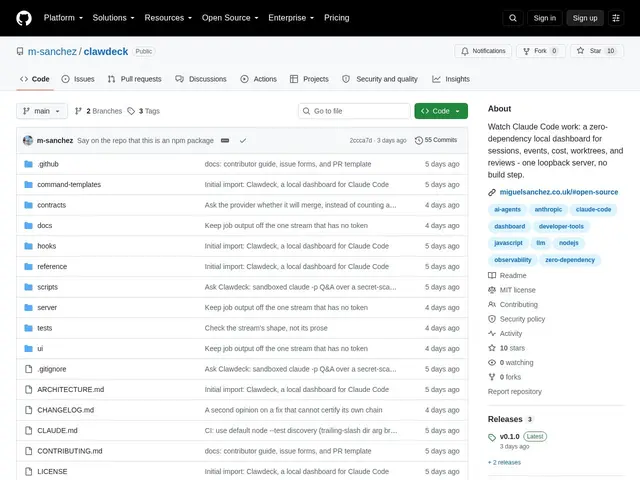
| 12 | Développeurs utilisant Claude Code au quotidien qui veulent visualiser coûts, sessions et statut CI localement | — |
Node.js library that generates realistic, deterministic synthetic fingerprints from a text seed, for testing and demos.
Moves Claude Code / Claude Desktop session history between accounts or organizations, safely and with undo.
Open-source app that unifies multiple AI coding agents (Claude Code, Cursor, Grok, Codex) into one interface with built-in Git workflows.
Free, open-source coding time tracker for 70+ editors, built by Hack Club.
A macOS app that lets solo builders run several AI coding-agent (Codex) sessions across different projects at once, with a file browser, terminal, and history all in one window.
A Python CLI that runs your old and new code on the same inputs, diffs everything that could differ, and tells you exactly what changed behavior during a refactor or migration.
An AI coding agent for mobile apps that streams a live iOS Simulator or Android Emulator preview right into the chat, so you can watch changes render as the agent writes code.
A Claude Code plugin that automatically spawns skeptical reviewer subagents to poke holes in every solution your coding agent proposes, before you implement it.
Free macOS editor that opens multi-gigabyte logs and CSVs almost instantly, with live grep, tail -f, diffing, and remote SSH file access.
A command-line tool that bulk-deletes saved Chrome tab groups directly from the browser's sync database, since Chrome has no built-in way to remove them in bulk.
An unofficial, zero-dependency local dashboard for Claude Code that shows sessions, cost burn rate, git worktrees, CI status and MCP server analytics in one place.