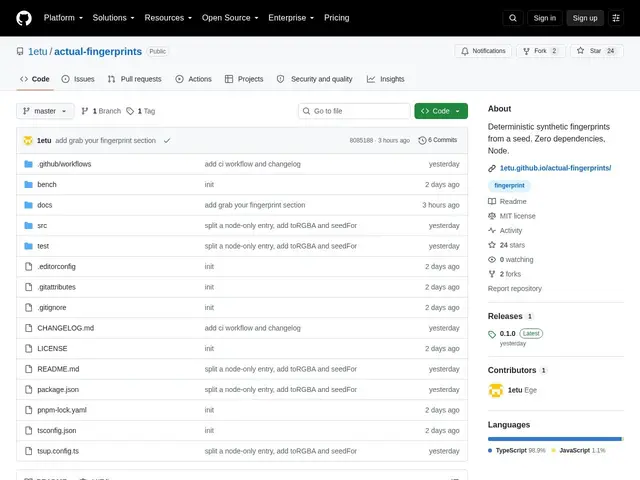
Node.js library that generates realistic, deterministic synthetic fingerprints from a text seed, for testing and demos.
github.com
Every time a Java program starts up, it has to load and resolve hundreds or thousands of "classes" — the building blocks of the code — often in an order that's invisible to the developer running it. ClassTrace Explorer is a bit like a flight recorder for that invisible startup phase: it watches which classes get loaded, when, and by what, then turns that raw data into a picture you can actually look at and click through, instead of a wall of log text. It's aimed at Java developers who've ever wondered why their app is loading a library at startup, or how tangled their dependencies really are. Under the hood, it captures class-resolution activity using JDK 9+'s unified logging (with support for legacy JDK 8 trace formats too), then builds a self-contained HTML report with an interactive directed graph rendered via React Flow — no server needed, just open the file. Classes are automatically classified by origin (application code, JDK system classes, third-party dependencies, or unknown/mixed), and the graph supports drag-and-drop relayout, search, and dynamic filtering by origin or class name, down to individual inner classes and lambdas. It also includes a bytecode footprint comparison feature. It ships as a Node.js CLI (clgrapher run to capture, clgrapher graph to render) under the permissive BSD 3-Clause license.
| # | Tool | Best for | Price |
|---|---|---|---|
| 1 | Développeurs ayant besoin d'empreintes digitales synthétiques reproductibles pour tests, démos ou jeux (ex. serveurs FiveM) | — | |
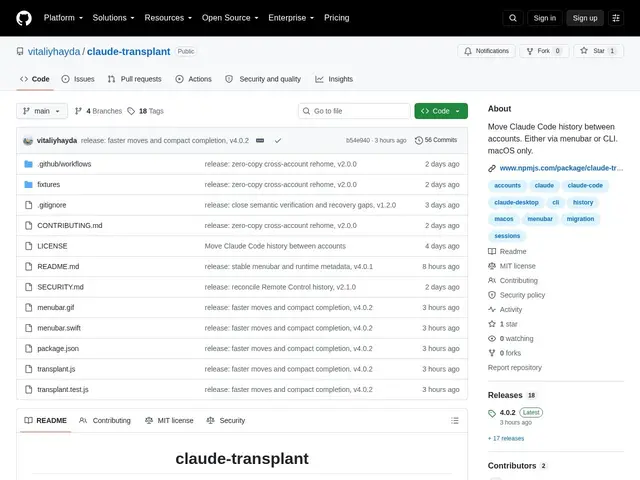
| 2 | Claude Code/Desktop users managing multiple accounts or organizations | — | |
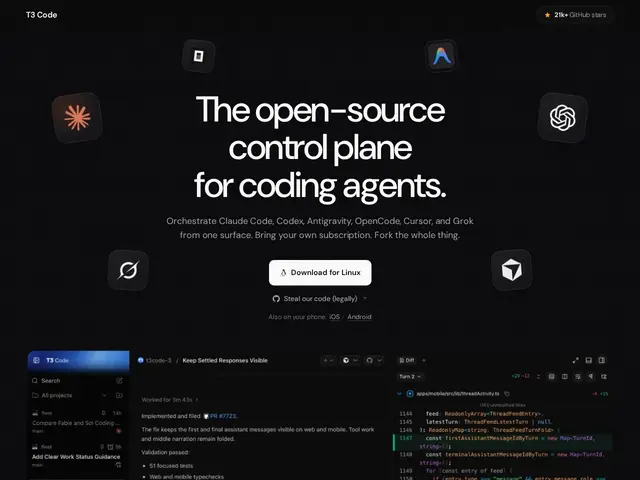
| 3 | Developers using multiple AI coding assistants who want a unified interface | — | |
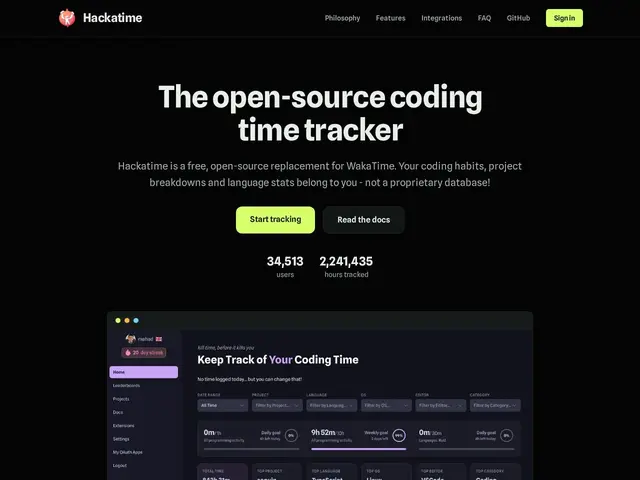
| 4 | Individual developers and students wanting free coding time tracking | — | |
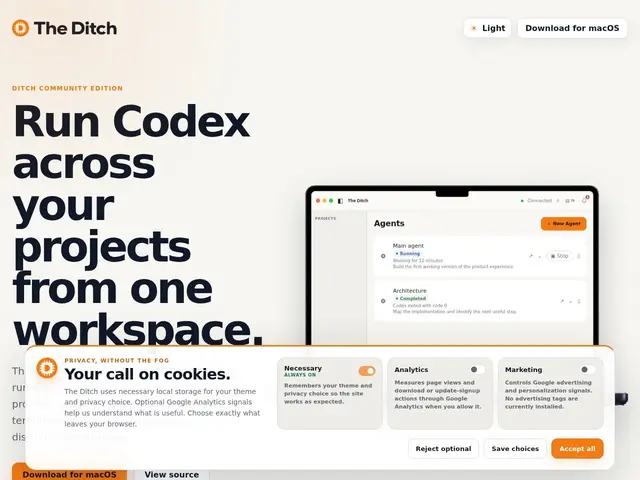
| 5 | Solo founders et indie hackers gérant plusieurs projets en parallèle avec des agents de codage IA (Codex) | — | |
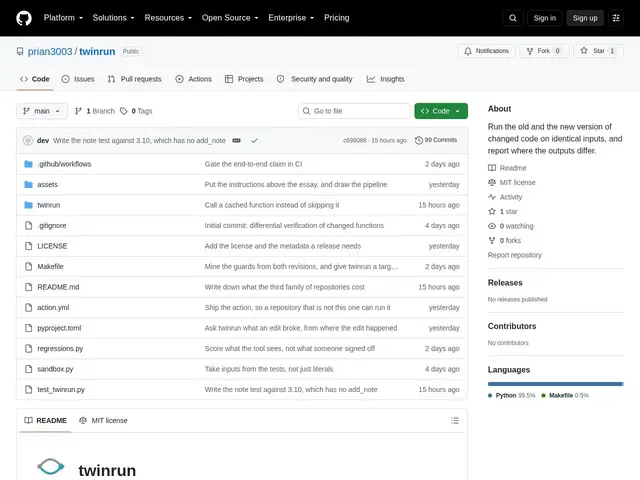
| 6 | Développeurs Python faisant du refactoring, des migrations, ou de la détection de régression comportementale | — | |
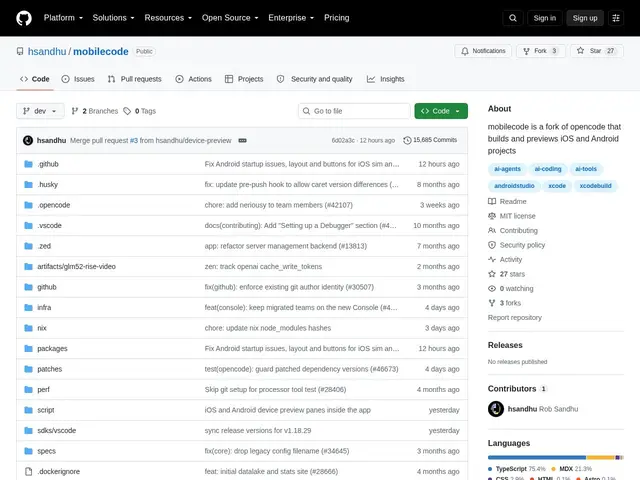
| 7 | Développeurs mobile (iOS/Android) voulant un agent de codage IA avec prévisualisation live de l'appareil | — | |
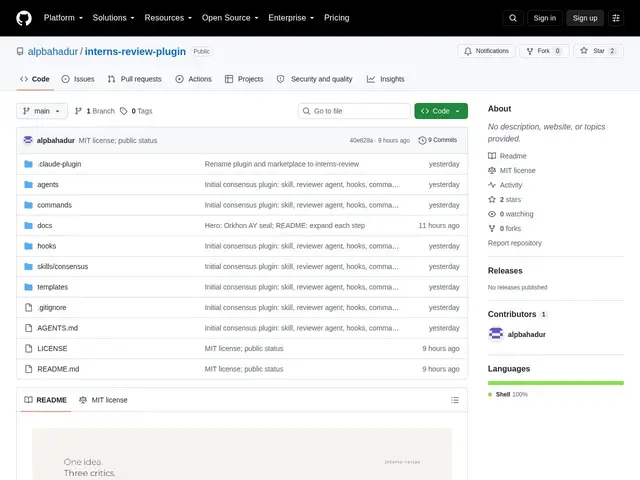
| 8 | Développeurs utilisant Claude Code ou d'autres agents de codage voulant un garde-fou qualité avant implémentation | — | |
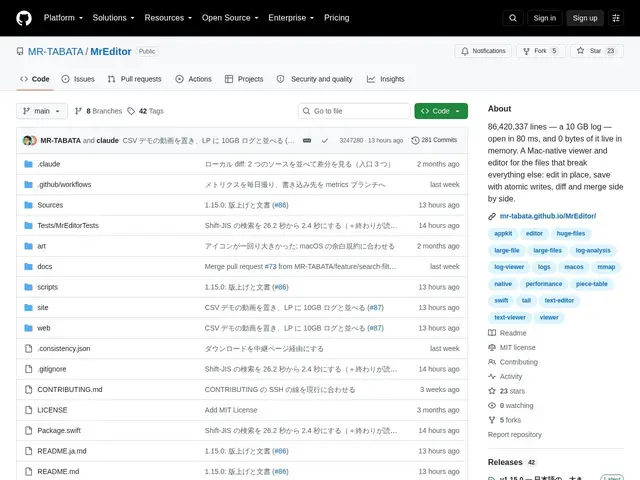
| 9 | Développeurs et admins systèmes (DevOps) gérant de gros fichiers logs/CSV | — | |
| 10 | Développeurs et utilisateurs power-user de Chrome/Chromium/Brave/Edge accumulant des groupes d'onglets, notamment via des agents IA comme Claude Code | — | |
| 11 | Développeurs utilisant Claude Code au quotidien qui veulent visualiser coûts, sessions et statut CI localement | — | |
| 12 | Développeurs gérant de nombreux outils CLI et gestionnaires de paquets sur macOS/Linux | — |
Node.js library that generates realistic, deterministic synthetic fingerprints from a text seed, for testing and demos.
Moves Claude Code / Claude Desktop session history between accounts or organizations, safely and with undo.
Open-source app that unifies multiple AI coding agents (Claude Code, Cursor, Grok, Codex) into one interface with built-in Git workflows.
Free, open-source coding time tracker for 70+ editors, built by Hack Club.
A macOS app that lets solo builders run several AI coding-agent (Codex) sessions across different projects at once, with a file browser, terminal, and history all in one window.
A Python CLI that runs your old and new code on the same inputs, diffs everything that could differ, and tells you exactly what changed behavior during a refactor or migration.
An AI coding agent for mobile apps that streams a live iOS Simulator or Android Emulator preview right into the chat, so you can watch changes render as the agent writes code.
A Claude Code plugin that automatically spawns skeptical reviewer subagents to poke holes in every solution your coding agent proposes, before you implement it.
Free macOS editor that opens multi-gigabyte logs and CSVs almost instantly, with live grep, tail -f, diffing, and remote SSH file access.
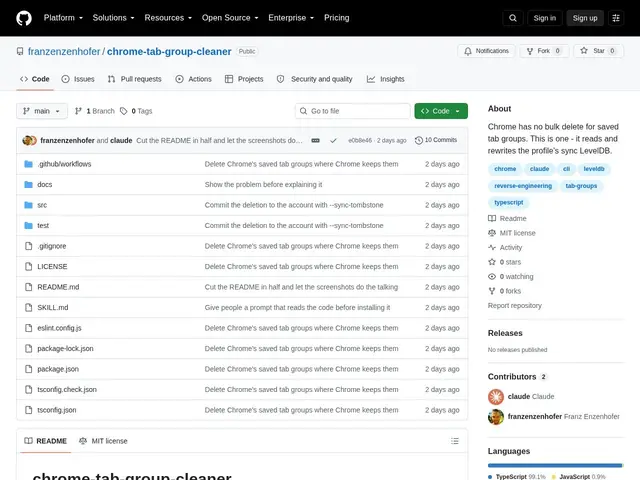
A command-line tool that bulk-deletes saved Chrome tab groups directly from the browser's sync database, since Chrome has no built-in way to remove them in bulk.
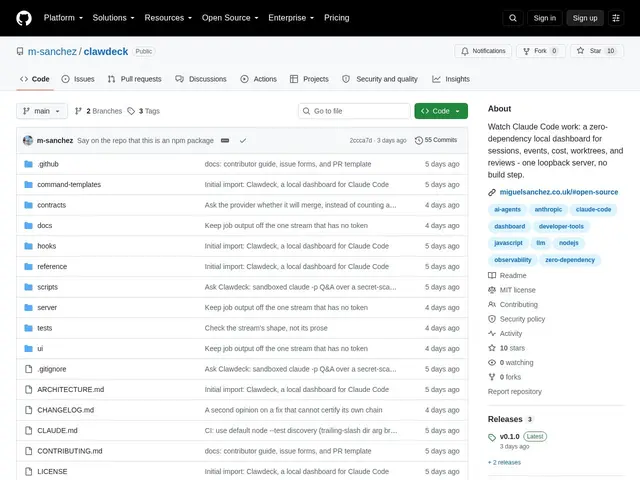
An unofficial, zero-dependency local dashboard for Claude Code that shows sessions, cost burn rate, git worktrees, CI status and MCP server analytics in one place.
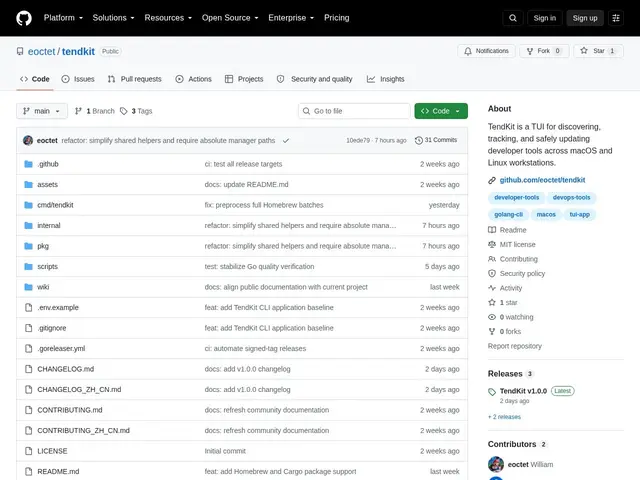
A free terminal app that shows every developer tool on your machine — CLIs, package manager installs, macOS apps — in one place and updates them safely.