High-performance storage engine that removes I/O bottlenecks slowing down LLM inference and GPU training.
theopenlake.com
Architecture diagrams usually live in a separate design tool from the actual code — someone draws boxes and arrows in a GUI app, and within a few sprints the picture no longer matches what's actually deployed. ArchLex treats a diagram more like source code: you write a short text description of your cloud setup (which services exist, how they connect, which VPC or region they live in), and the tool checks that description against real cloud rules before drawing it. Think of it like a spell-checker for infrastructure diagrams — it won't let you draw an AWS Lambda function 'writing' to a resource type that Lambda can't actually write to, and because the diagram is just text, it can be reviewed and diffed in a pull request the same way code is. Technically, ArchLex is a DSL that renders deterministic, accessible SVG output using official AWS, GCP, and Kubernetes icons, validating resources and relationships against a catalog of 441 cloud resources with provider-aware rules for typed relationships (invokes, writes, routes, caches, etc.) and nested containment scopes (account → region → VPC → subnet). It ships as a set of modular, dependency-light npm packages (@archlex/core plus per-provider packages) usable in the browser or Node.js, plus a hosted MCP (Model Context Protocol) server so AI coding agents like Claude, Cursor, or Codex can generate or check architecture diagrams directly from a prompt. The project is MIT-licensed and fully open source on GitHub, with a free interactive playground and no account or API key required for any of it.
| # | Tool | Best for | Price |
|---|---|---|---|
| 1 | Organizations running large-scale LLM inference and GPU training | — | |
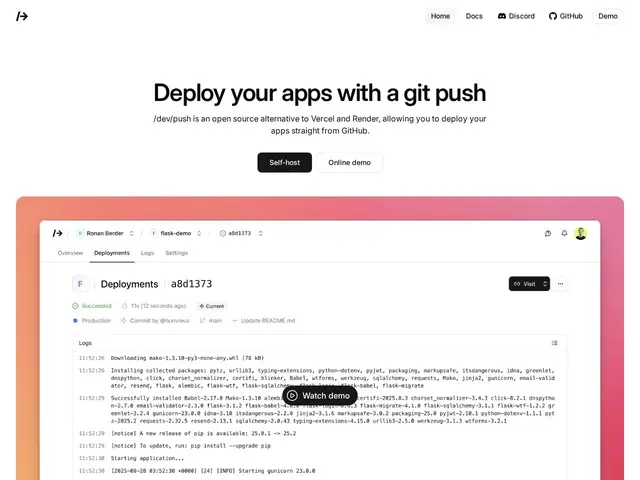
| 2 | Developers and teams wanting self-hosted, Vercel-style app deployment | — | |
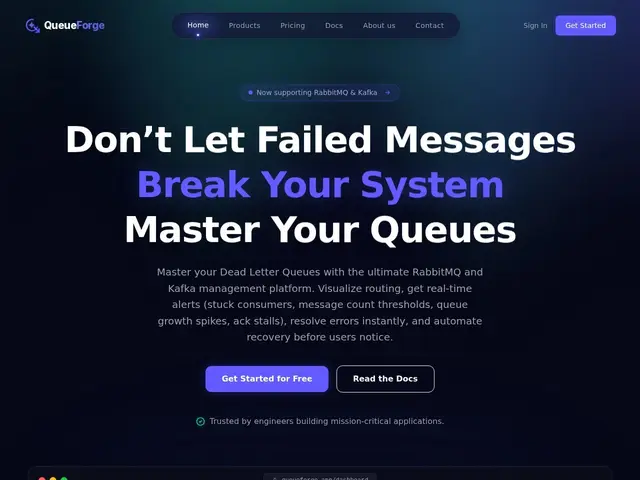
| 3 | Ingénieurs backend/DevOps gérant RabbitMQ ou Kafka en production | — | |
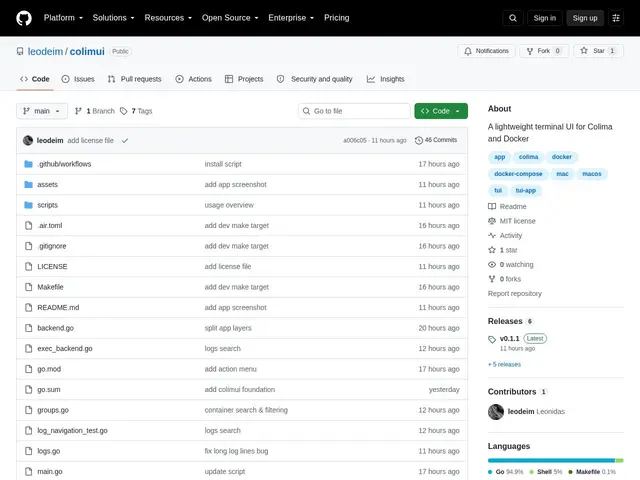
| 4 | Développeurs utilisant Colima et Docker qui préfèrent une interface terminal | — | |
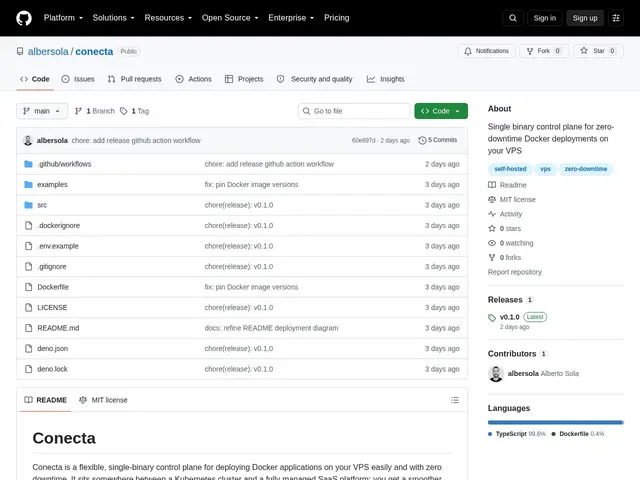
| 5 | Développeurs self-hostant des apps Docker sur VPS et voulant du déploiement zéro-downtime sans Kubernetes | — | |
| 6 | Petites équipes dev déployant des outils internes, scripts et dashboards | — | |
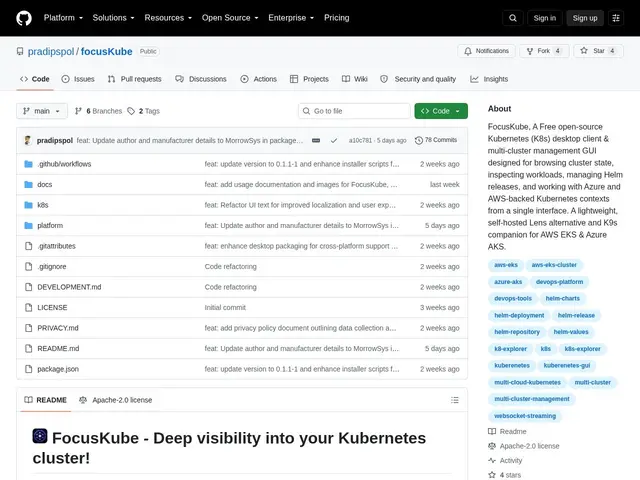
| 7 | Équipes DevOps et opérateurs Kubernetes gérant plusieurs clusters, soucieux de confidentialité | — | |
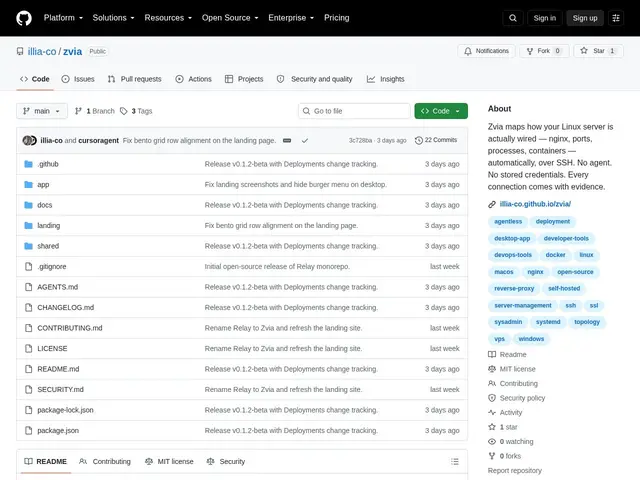
| 8 | Administrateurs serveur et ingénieurs DevOps reprenant un serveur inconnu sans agent de monitoring | — | |
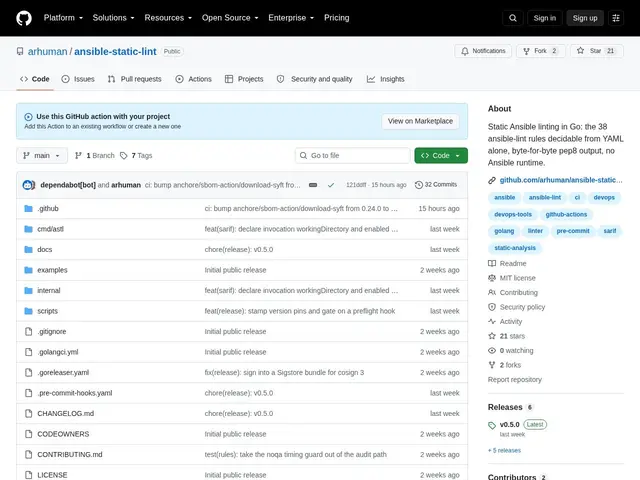
| 9 | Ingénieurs DevOps utilisant Ansible qui veulent un lint instantané en pre-commit ou en CI | — | |
| 10 | Développeurs et petites équipes déployant sur un VPS/serveur unique via SSH | — | |
| 11 | Développeurs solo et petites équipes sur Mac voulant automatiser la maintenance récurrente de leurs dépôts (dépendances, tests, sécurité, docs) | — | |
| 12 | Développeurs IA/LLM configurant des intégrations MCP, ingénieurs infra soucieux de latence et d'empreinte mémoire, équipes sécurité voulant un sandboxing natif | — |
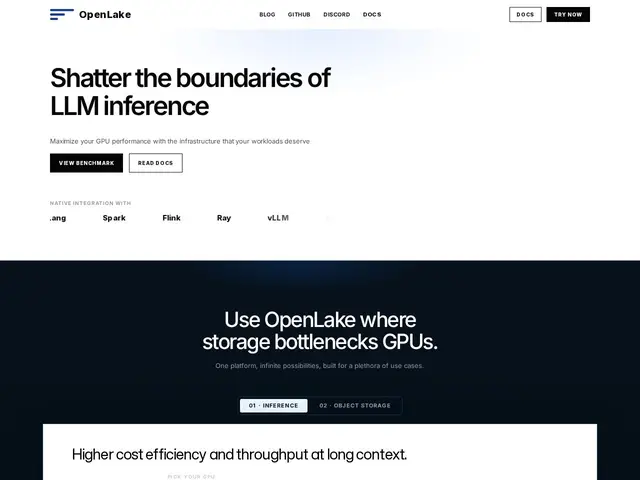
High-performance storage engine that removes I/O bottlenecks slowing down LLM inference and GPU training.
Free, open-source, self-hostable deployment platform that deploys apps from GitHub with zero-downtime releases.
A self-hosted dashboard that watches your RabbitMQ or Kafka dead-letter queues, alerts you when messages start piling up there, and lets you replay or fix them without writing a one-off script.
A terminal UI for managing Docker containers and Colima profiles — start, stop, view logs, and check resource usage without leaving the terminal or opening a GUI app.
A single-container tool that does zero-downtime blue-green deployments on a plain VPS, using its own internal DNS and health checks instead of requiring Kubernetes.
Self-hosted platform for deploying internal tools and scripts into shareable team apps with one command, HTTPS and SSO included.
A free, open-source desktop app that shows what's actually happening inside your Kubernetes clusters — pods, logs, topology — without sending any data to the cloud.
A free desktop app that connects to a Linux server over SSH and automatically draws a map of how it's really wired — nginx, ports, containers, services — without installing anything on the server.
A standalone Go rewrite of ansible-lint that checks Ansible playbooks in milliseconds with no Python or Ansible runtime installed.
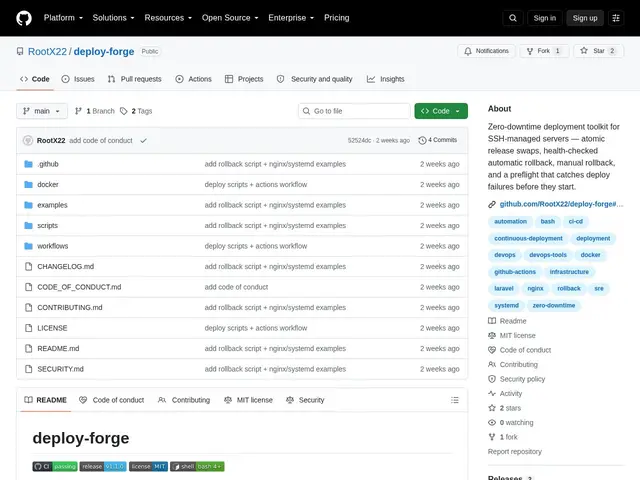
A free Bash toolkit that deploys code to a plain SSH server with zero downtime, and automatically rolls itself back if the new version fails a health check.
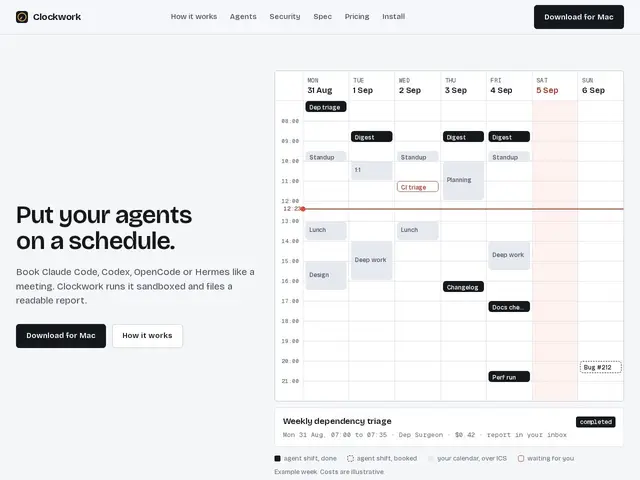
A Mac app that lets you schedule AI coding agents the way you'd book a calendar meeting — say 'run dependency updates every Monday' and it runs safely in a sandbox and reports back.
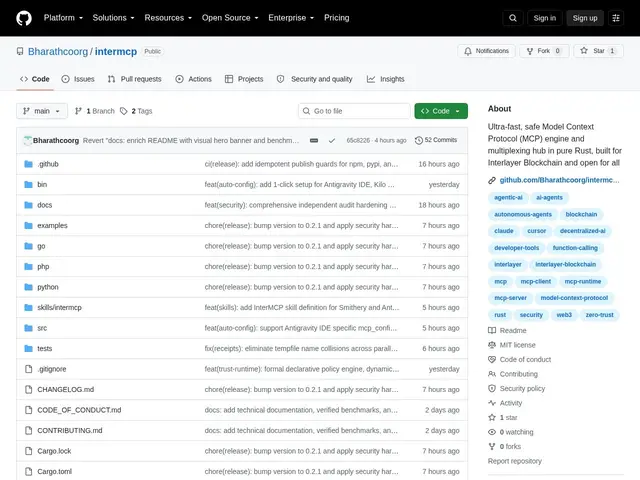
A tiny, extremely fast piece of plumbing that lets AI assistants like Claude talk to your files, databases and dev tools safely, instead of each app reinventing that connection from scratch.