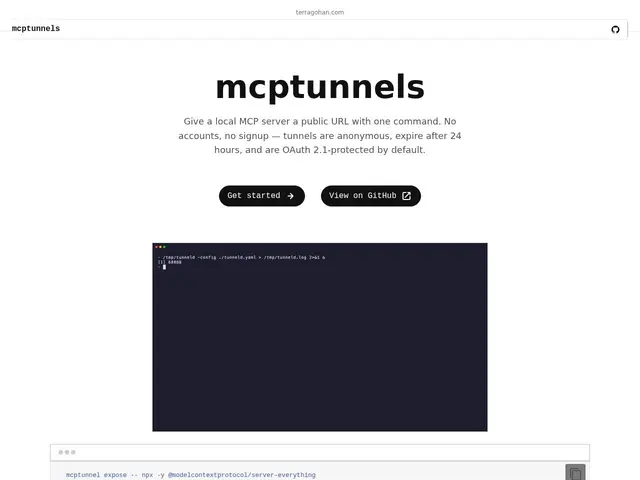
A one-command CLI that exposes a local MCP server to a public URL, so you can test or demo it with ChatGPT, Claude, or Cursor without deploying anything.
terragohan.github.io
38 tools curated in this category — including mcptunnels, Aegis Authenticator, Pocket ID
Find on mySelectas all sites and tools related to authentication. This selection of 38 resources is reviewed and maintained by the community. The most popular include mcptunnels, Aegis Authenticator, Pocket ID. Each tool comes with a review, tags, comparisons and alternatives to help you make the best choice.
A one-command CLI that exposes a local MCP server to a public URL, so you can test or demo it with ChatGPT, Claude, or Cursor without deploying anything.
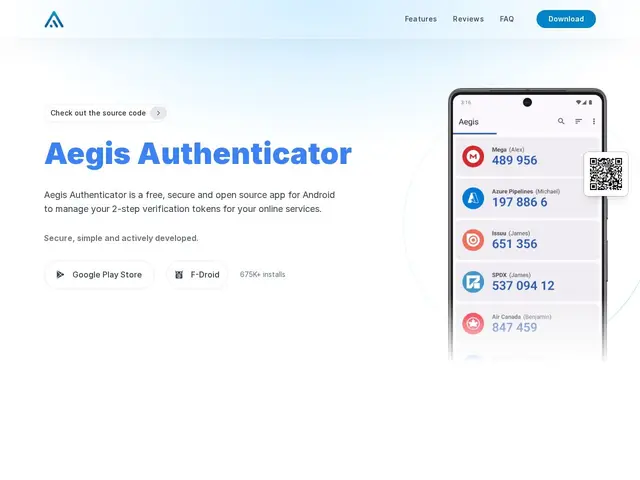
Free, open-source Android app for storing your two-factor authentication codes in an encrypted vault, with no cloud account, no ads, and full control over your own backups.
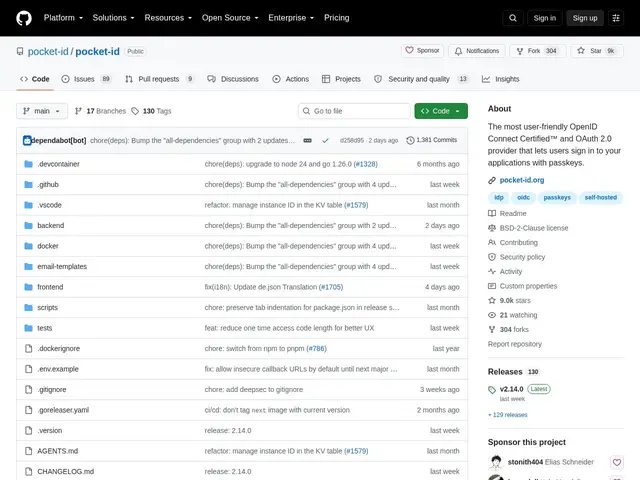
A free, open-source, self-hosted login system for your other self-hosted apps, built entirely around passkeys — so nobody has to remember (or leak) a password ever again.
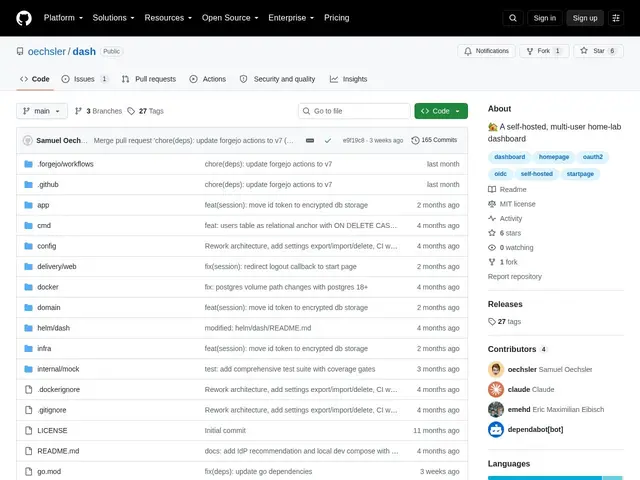
Self-hosted multi-user homelab dashboard with OAuth2/OIDC sign-in, personal bookmarks and group-based access, MIT licensed.
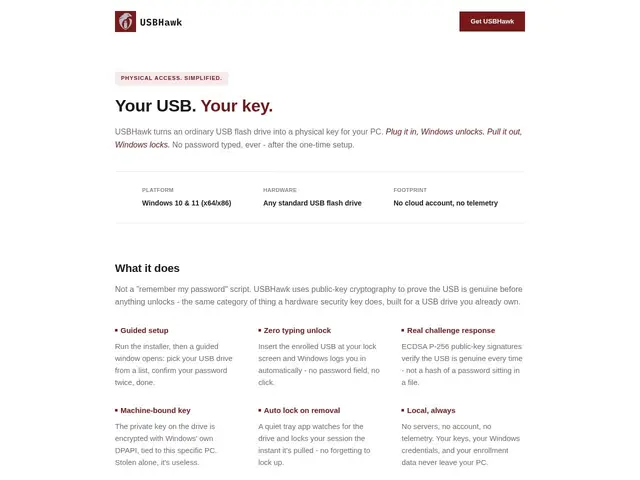
USBHawk turns a USB drive into a cryptographic hardware key for passwordless Windows login, using local ECDSA P-256 authentication with no cloud dependency.
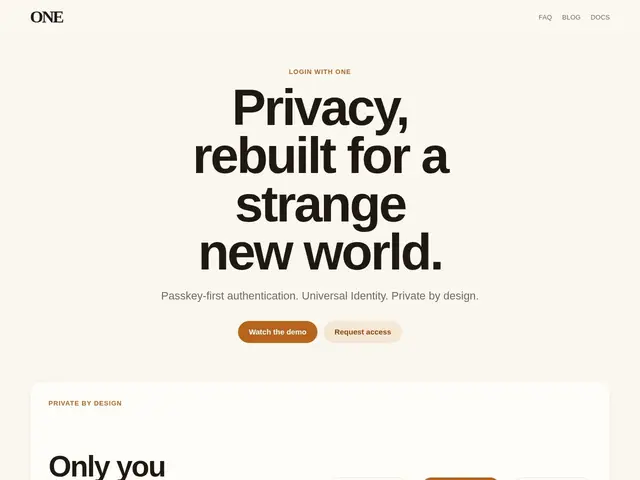
ONE is a passkey-first identity platform that lets people verify their age or identity once and reuse that verification across apps, without businesses ever seeing raw personal data.
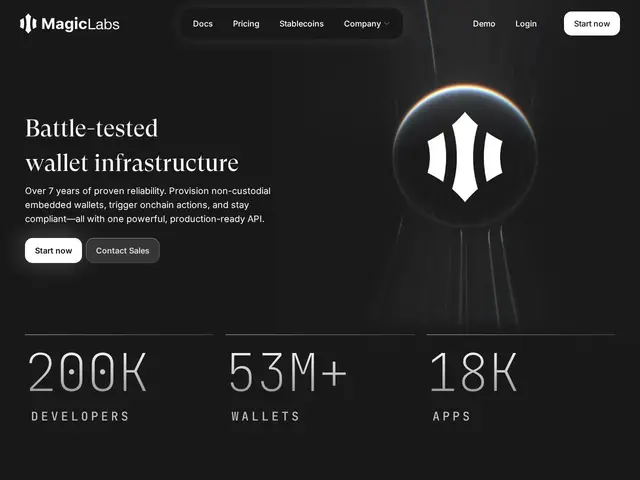
A login system for apps that need a crypto wallet behind the scenes — users just sign in with their email or a fingerprint like on any normal app, and Magic quietly creates and manages a real blockchain wallet for them, so nobody has to deal with seed phr
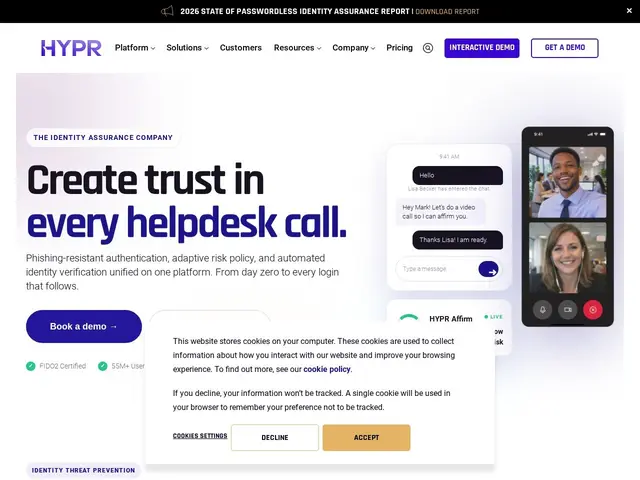
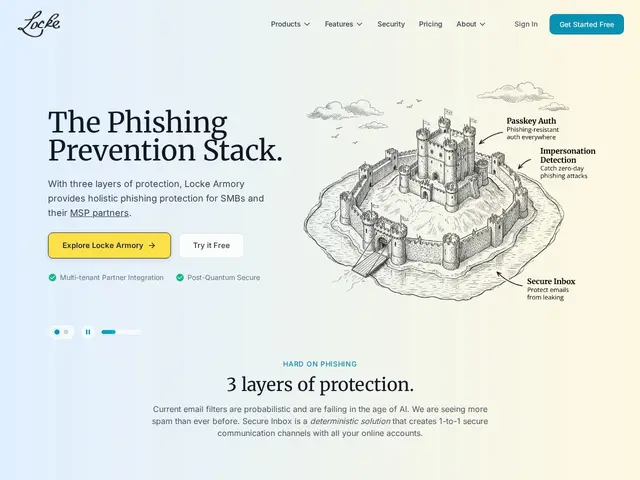
A tool that lets employees and customers log in without a password at all — using something like a fingerprint or device unlock instead — which also means there's no password for a phishing email to steal, and no forgotten-password calls for the help desk
A login system that replaces passwords with a cryptographic key tied to your actual device, so there's simply nothing for a hacker to steal or guess — and it now also checks whether the person or AI agent on the other end of a video call or API request is
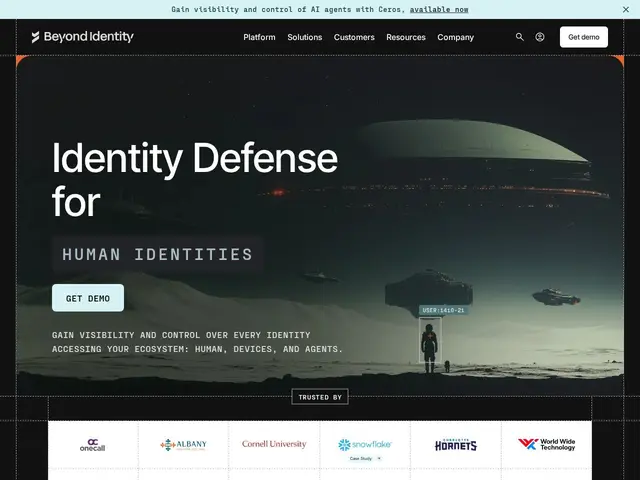
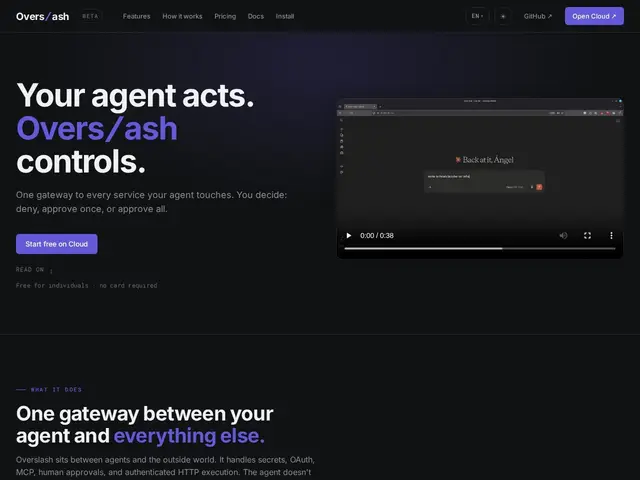
A middleman service that lets an AI agent safely log into your other tools (Gmail, Slack, your CRM...) without ever handing it your actual passwords or API keys — the agent gets a narrow, temporary, revocable key just for the one task it needs to do, and
Turns websites that don't have an API into structured, reliable tools an AI agent can call — handling logins, 2FA and bot detection along the way.
A backend service that handles the boring-but-critical parts of running a subscription business — logins, Stripe billing, usage limits, upgrades — in one integration, instead of a solo founder stitching together five different services themselves.
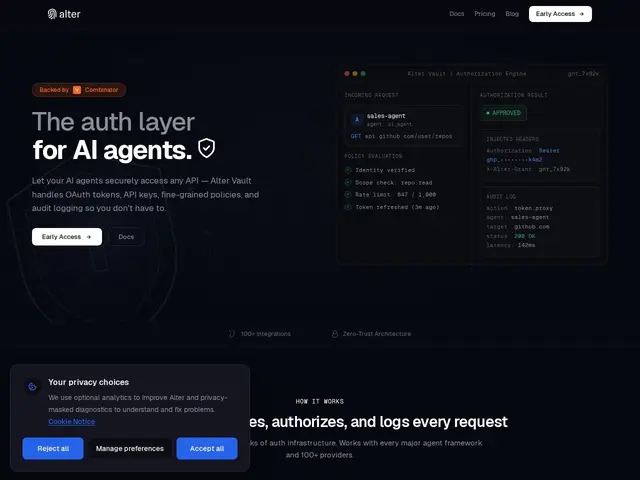
A middleman that sits between your AI agents and the online services they need to use (GitHub, Slack, AWS, and more), so the agent can act on your behalf without ever seeing your actual passwords or API keys.
A password manager built around stopping phishing specifically — instead of just storing your passwords, it gives you disposable email addresses and warns you when a site is impersonating a real one.
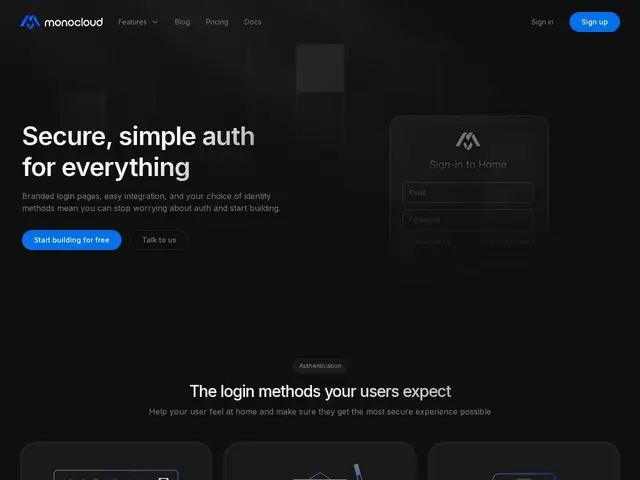
Login screens, password resets, and "sign in with Google" buttons are the boring part of every app — MonoCloud is a drop-in service that handles all of it so you don't build your own login system from scratch.
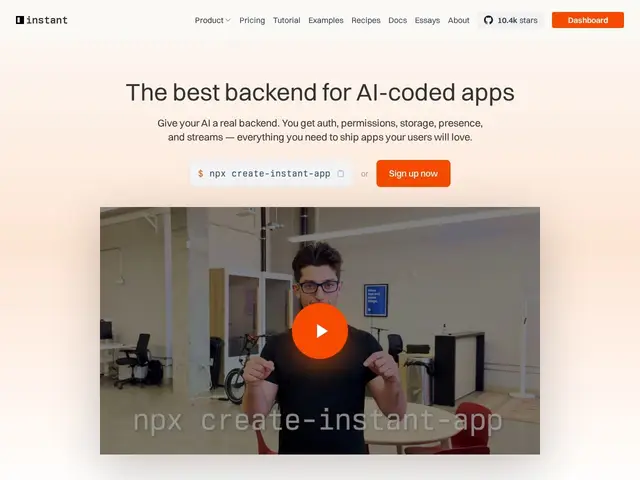
A real-time database with built-in auth, storage and permissions — like a modern, open-source Firebase where data lives on the client and syncs instantly across users and devices.
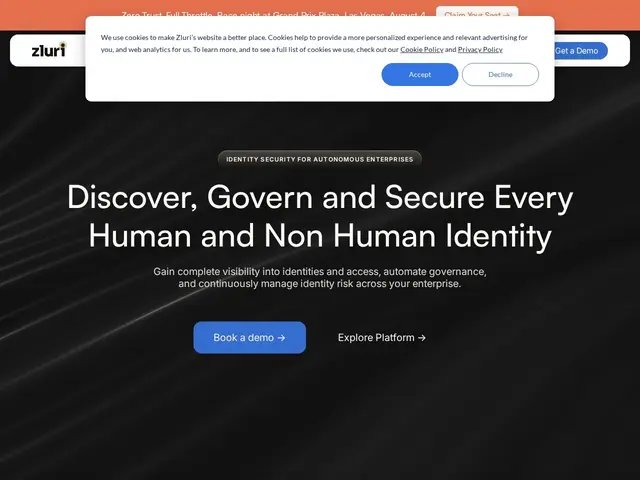
Identity governance platform that discovers, manages and secures every human and non-human identity (including AI agents) across a company's SaaS and cloud apps.
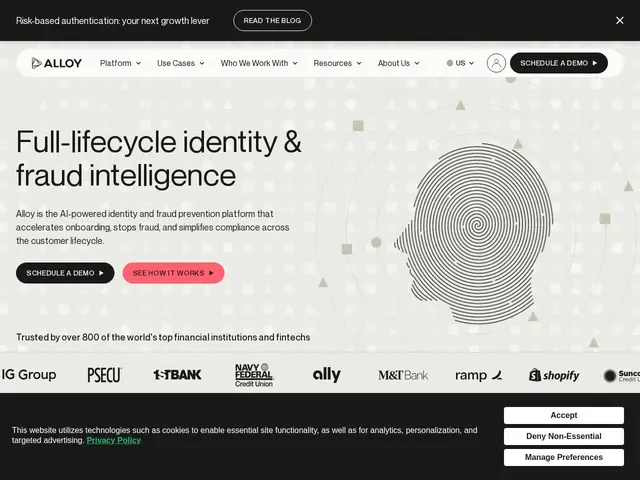
Identity and fraud decisioning platform that connects a single API to 270+ data providers, letting banks and fintechs orchestrate KYC/KYB, fraud and transaction monitoring across the whole customer lifecycle.
Identity verification API for KYC, KYB and fraud checks — document scanning, selfie liveness checks, and no-code workflows to route or auto-approve verifications.
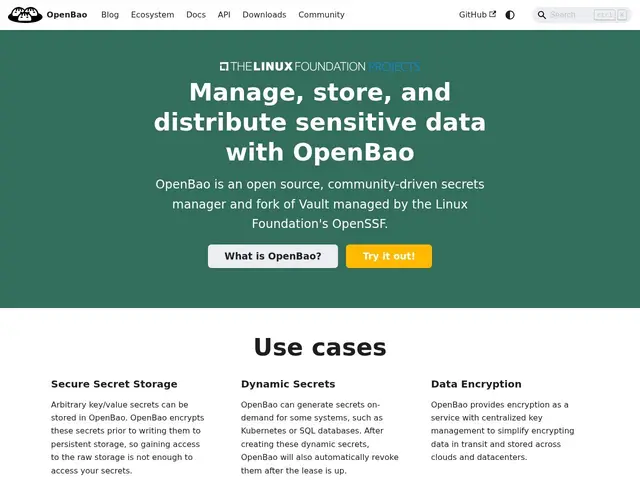
Community-governed, truly open-source secrets manager — a Linux Foundation fork of Vault, born when Vault went source-available.