It's like CodePen but for cross-browser testing. UI-licious lets you write tests like user stories and offers a free platform - UI-licious Snippets - that allows you to run unlimited tests on Chrome with no sign-up required for up to 3 minutes per test run. Found a bug? You can copy the unique URL to your test to show your devs exactly how to reproduce the bug.
Results for “Xactly”
46 tools found
Each team is responsible for one or more business functions (e.g. business capabilities). A team owns a code base consisting of one or more modules. Its code base is sized so as to not exceed the cognitive capacity of team. The team deploys its code as one or more services. A team should have exactly one service unless there is a proven need to have multiple services.
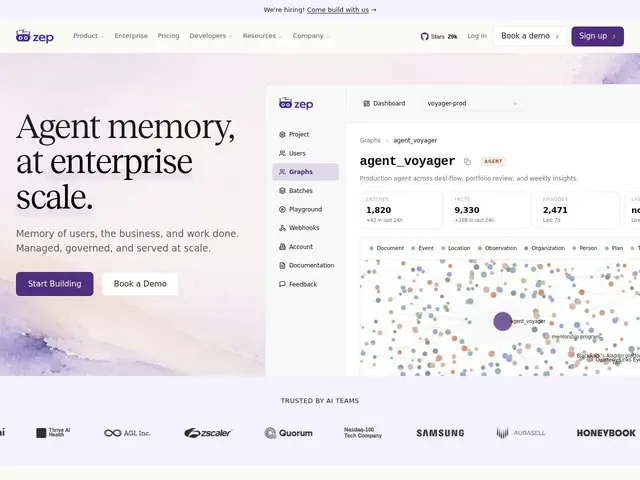
Builds a living map of everything a user has told an AI agent over time — and how those facts connect and change — so the agent can pull up exactly the right context in under 200 milliseconds instead of re-reading an entire chat history.
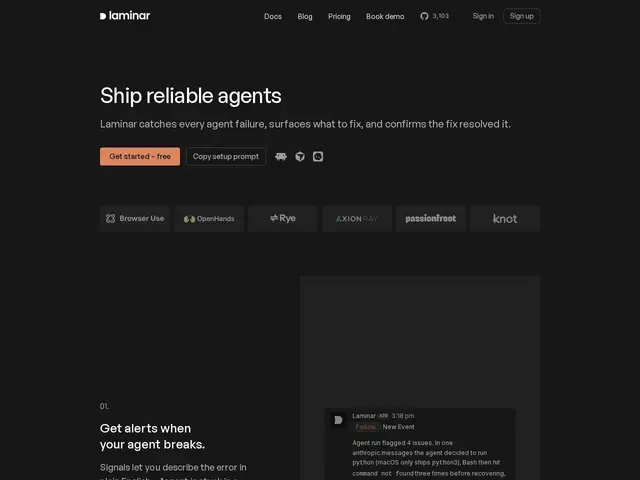
A dashboard that shows you exactly what your AI agent did, step by step, when it fails — every tool call, every sub-agent, every LLM response — instead of leaving you to guess from a wall of logs.
Tool that watches how people actually use your free or trial software and tells your sales team exactly who's ready to buy, instead of cold-calling a random list.
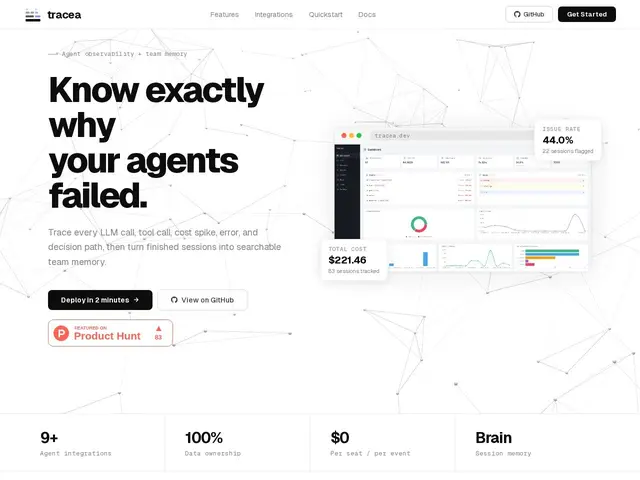
A free, self-hosted dashboard that shows you exactly what your AI agents did, why they cost what they cost, and where they broke.
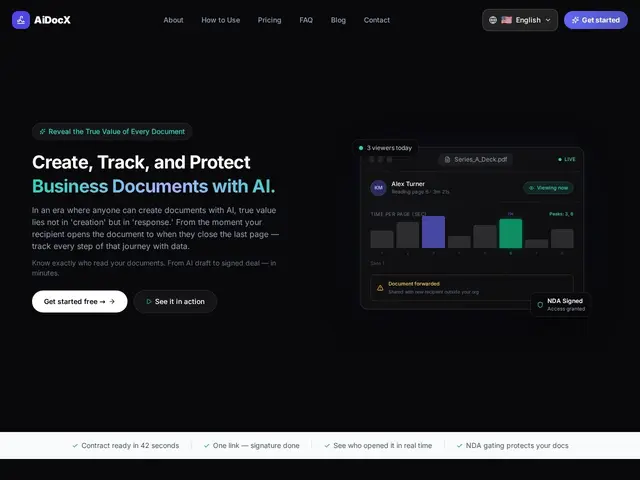
A document tool for small teams that writes contracts and pitch decks with AI, gets them signed, and then tells you exactly when someone opens and reads them.
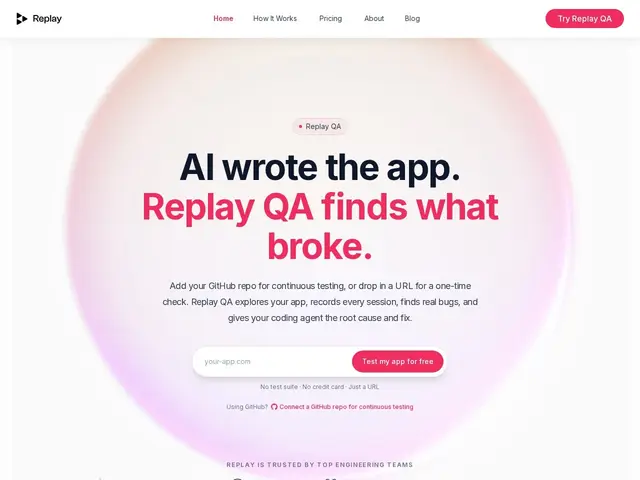
An AI tool that quietly clicks around your web app like a real visitor, then tells you exactly what broke — and where — before your actual users find out.
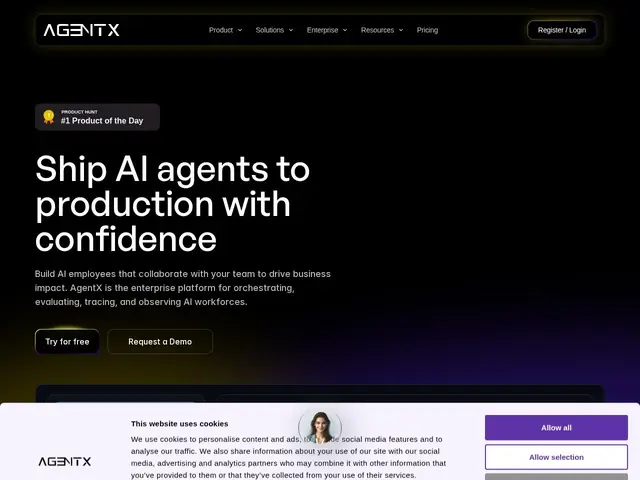
A quality-control inspector for AI agents — before your AI assistant goes live and starts talking to real customers, AgentX tests it, points out exactly where it messes up, and suggests a fix, instead of you finding out from an angry customer.
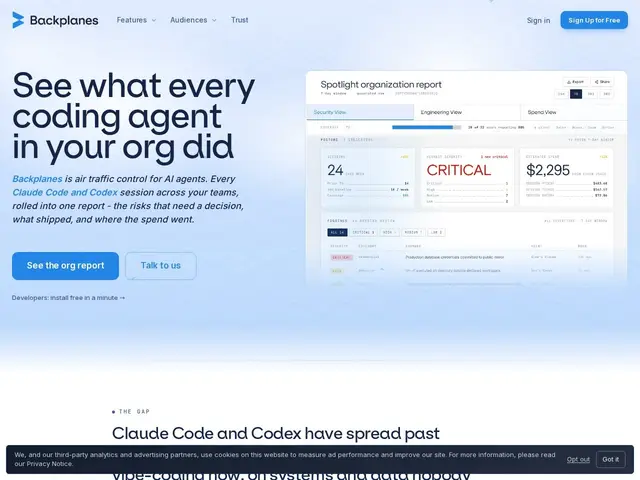
A dashcam for your AI coding assistant — after Claude Code or Codex finishes a session, Spotlight shows you exactly what it touched, what commands it ran, and flags anything risky, instead of you having to trust a summary or dig through logs yourself.
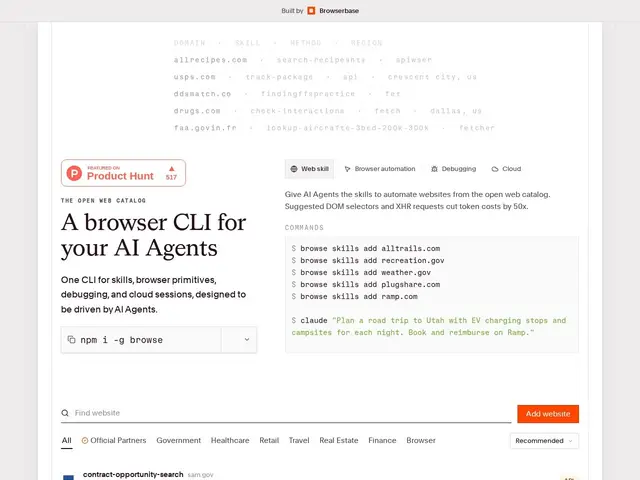
A library of "how-to" cheat sheets for AI agents browsing websites — instead of an agent fumbling around a new site from scratch every single time, it installs a ready-made recipe that already knows exactly which buttons to click.
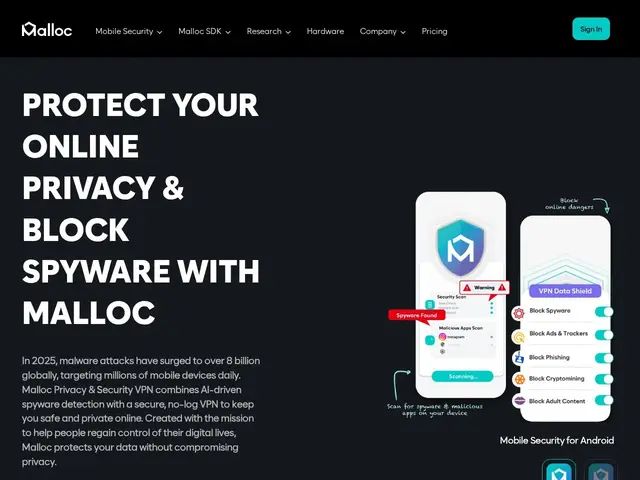
A phone app that hides your traffic from trackers and hunts for the kind of spyware governments and stalkers use — like a home alarm system for your phone that also tells you exactly which apps are 'phoning home' and where.
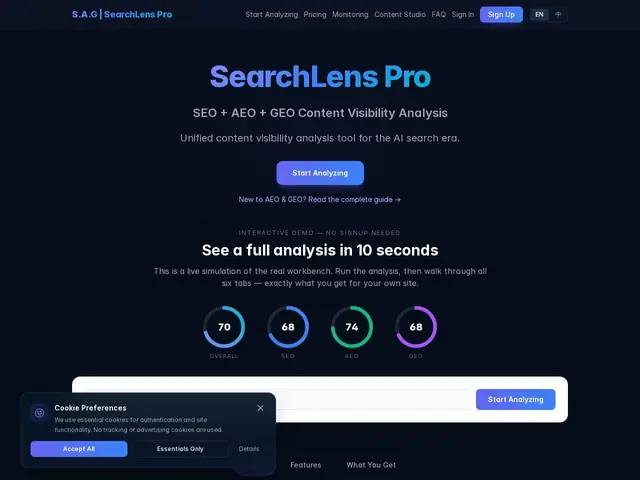
Checks whether your website shows up not just in Google, but in the answers ChatGPT and Perplexity give people — and tells you exactly what to fix if it doesn't.
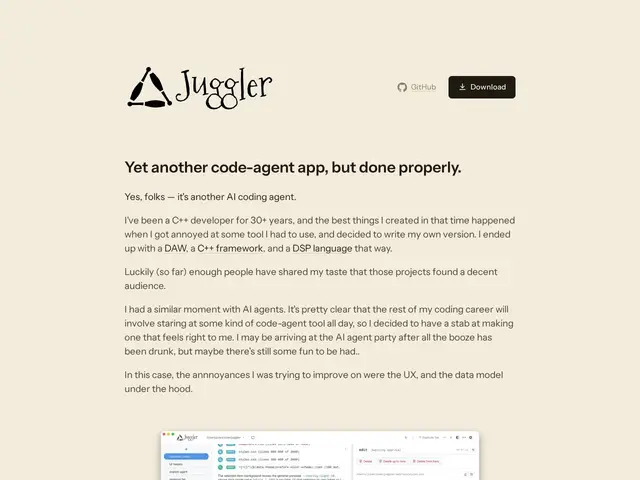
A visual, point-and-click alternative to running AI coding agents in a terminal — you can see the whole conversation as a browsable tree, inspect exactly what tool calls happened, and branch off to try a different approach without losing your place.
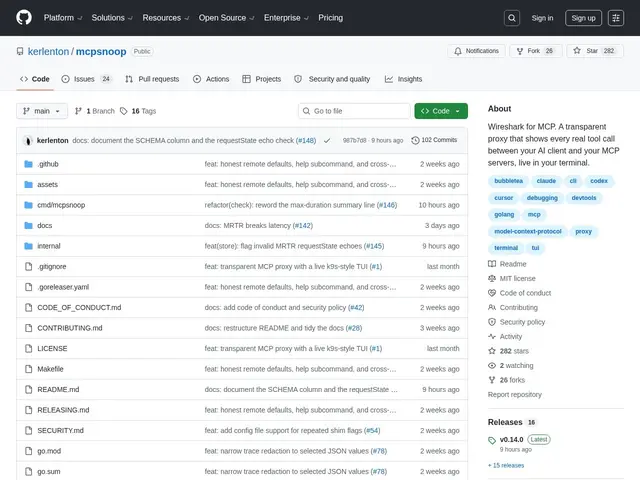
A tool that shows you exactly what your AI coding assistant is really saying to its plugins (MCP servers) behind the scenes — instead of guessing why a tool call went wrong, you can watch the actual traffic live, like a network sniffer for AI agents.
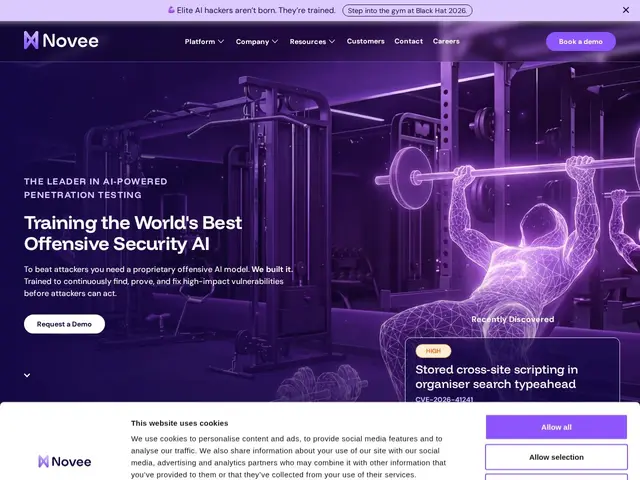
An AI agent that behaves like a real hacker against your own applications — chaining exploits together automatically, proving they work, and telling your team exactly what to fix, continuously instead of once a year.
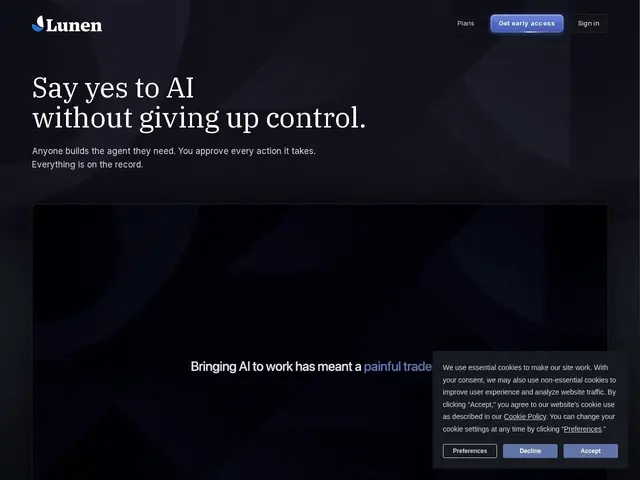
Lets a whole company build and run AI agents while giving the security team a way to see and control exactly what those agents are allowed to do — like adding guardrails and a paper trail to AI automation.
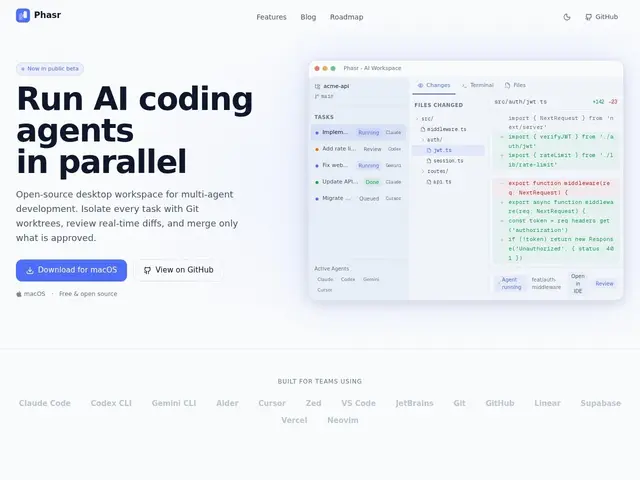
A desktop app that lets you fire off several AI coding agents at once — each one working in its own isolated copy of the repo — and shows you exactly what each one changed before you let any of it touch your main branch.
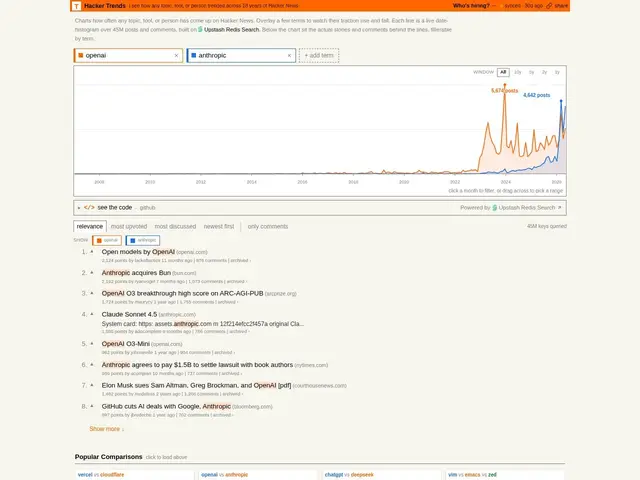
Type in any word — a tool, a company, a buzzword — and see a chart of exactly when it started (and stopped) being talked about on Hacker News, going back 18 years.
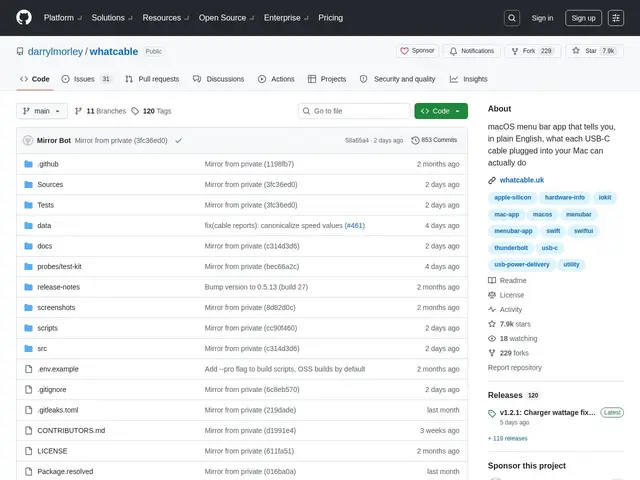
A macOS menu bar app that tells you exactly what a USB-C cable can (and can't) do, and diagnoses why your Mac isn't charging or transferring data at full speed.