Node.js library that generates realistic, deterministic synthetic fingerprints from a text seed, for testing and demos.
github.com
If you've ever wondered why software keeps shipping updates after its makers call it 'done,' Skillbased Versioning turns that question into a joke with real teeth. It's a versioning scheme — the rules that decide what a release number like 2.3.1 means — built on top of the industry-standard Semantic Versioning. The twist: a project can declare a 'Perfection Sentinel' at version 1.3.37, marking the point where the maintainer swears it's finished. Any version released after that gets tagged DISHONORABLE, with the release number itself encoding how many times the maintainer broke their promise. Technically, SBVer is fully backward-compatible with SemVer 2.0.0, meaning any tool that understands normal version numbers can still parse SBVer releases without special support. It adds a 'shame score' calculated from post-sentinel releases, uses repeating-digit patterns to encode dishonorable release counts, and supports the same pre-release and build metadata as SemVer. It's an open-source project (CC BY 3.0 license) on GitHub, positioned half as satire of scope creep in software and half as an actually usable, functional versioning convention for projects that want to make a point about stability.
| # | Tool | Best for | Price |
|---|---|---|---|
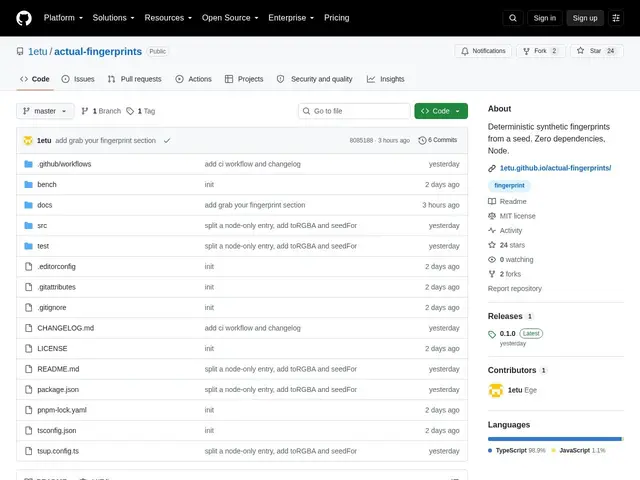
| 1 | Développeurs ayant besoin d'empreintes digitales synthétiques reproductibles pour tests, démos ou jeux (ex. serveurs FiveM) | — | |
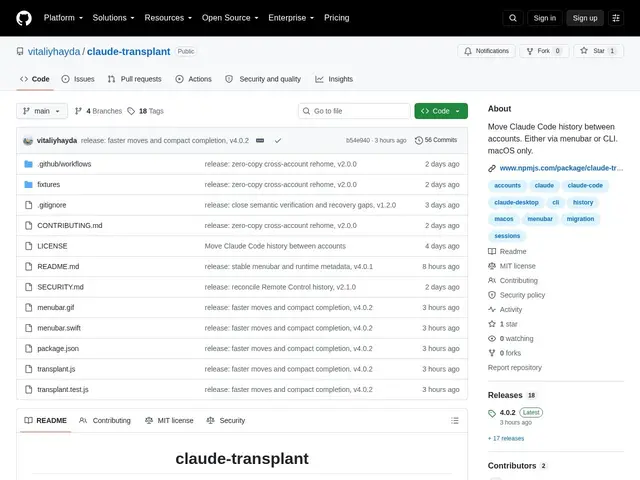
| 2 | Claude Code/Desktop users managing multiple accounts or organizations | — | |
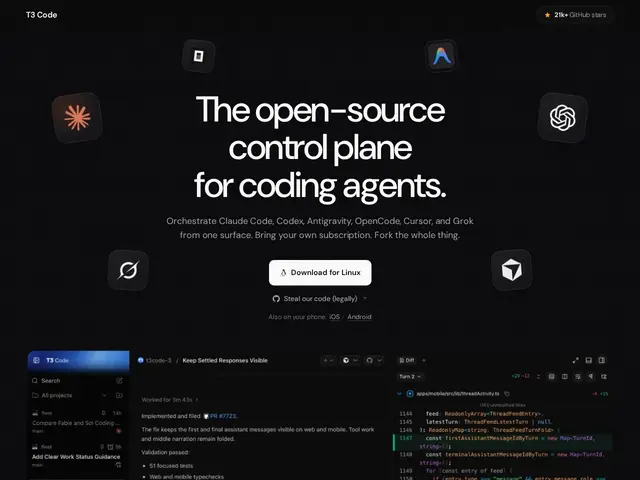
| 3 | Developers using multiple AI coding assistants who want a unified interface | — | |
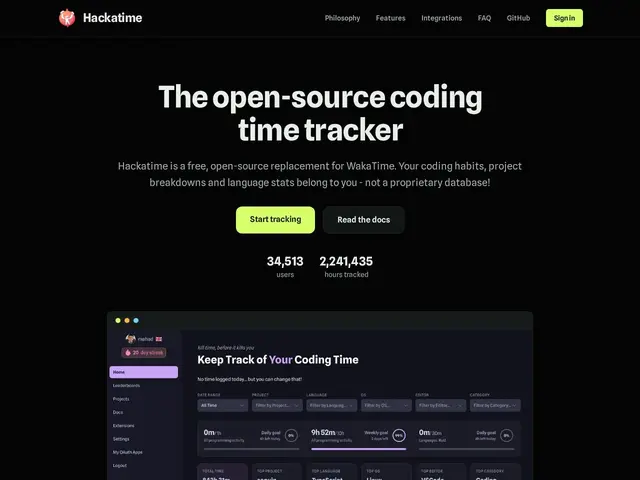
| 4 | Individual developers and students wanting free coding time tracking | — | |
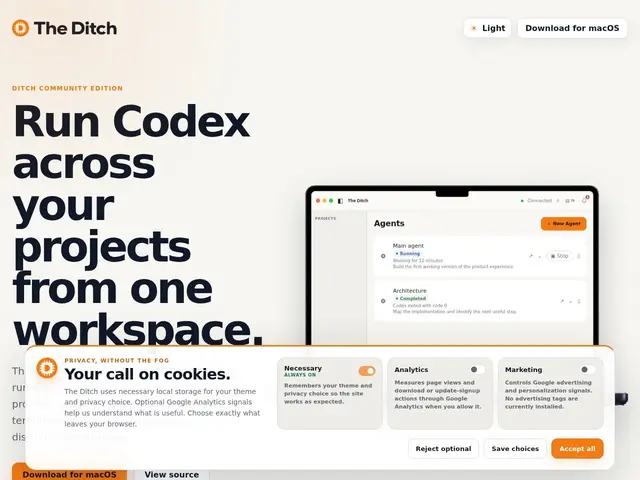
| 5 | Solo founders et indie hackers gérant plusieurs projets en parallèle avec des agents de codage IA (Codex) | — | |
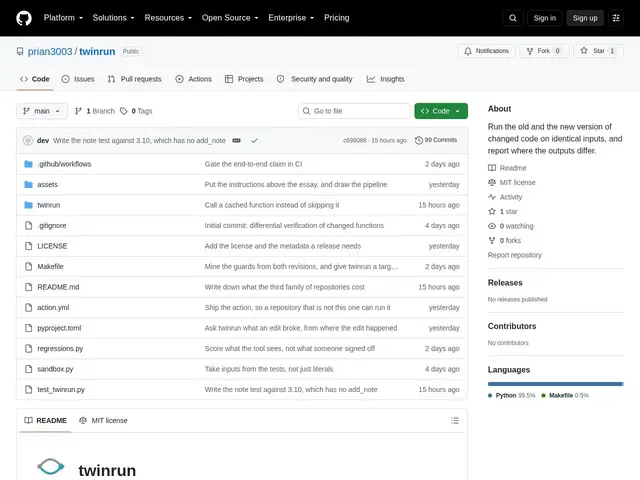
| 6 | Développeurs Python faisant du refactoring, des migrations, ou de la détection de régression comportementale | — | |
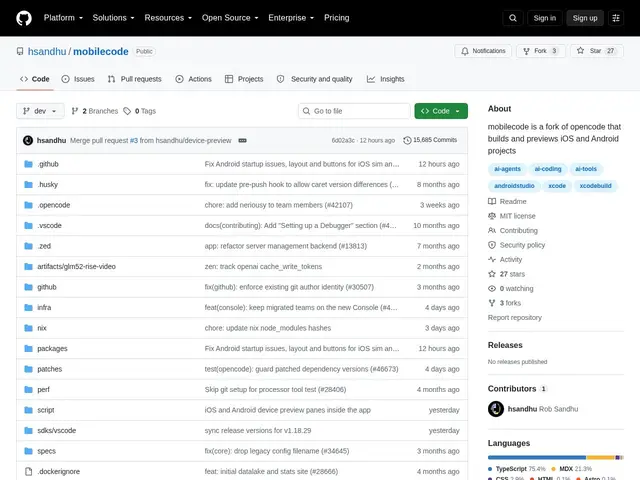
| 7 | Développeurs mobile (iOS/Android) voulant un agent de codage IA avec prévisualisation live de l'appareil | — | |
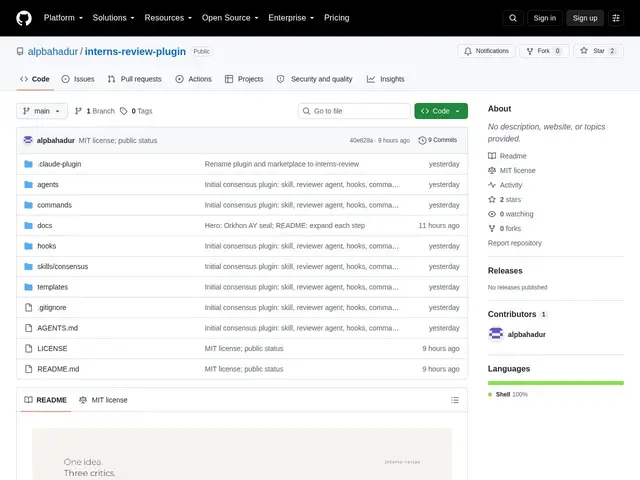
| 8 | Développeurs utilisant Claude Code ou d'autres agents de codage voulant un garde-fou qualité avant implémentation | — | |
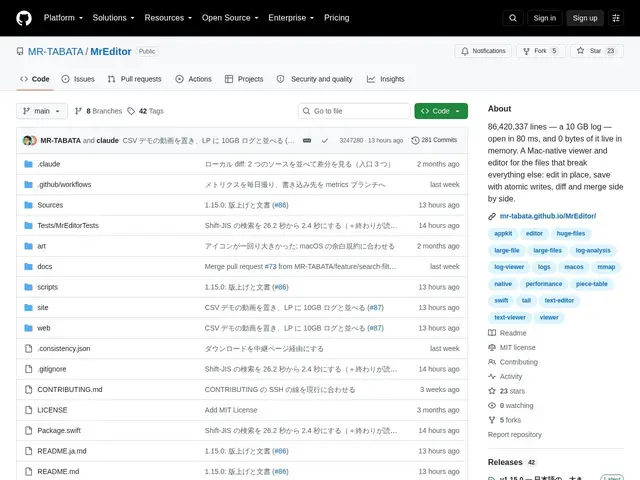
| 9 | Développeurs et admins systèmes (DevOps) gérant de gros fichiers logs/CSV | — | |
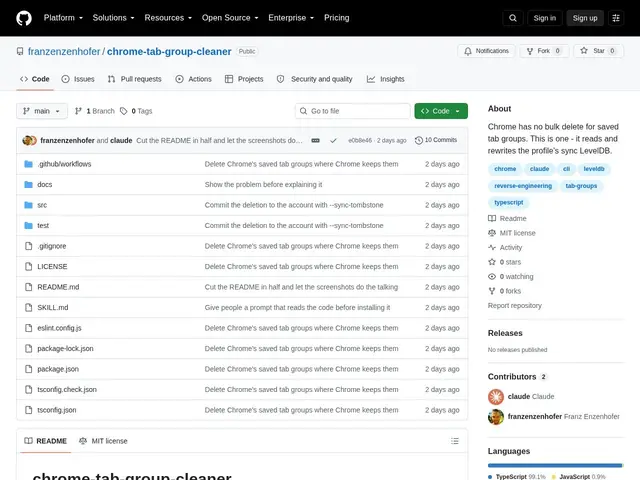
| 10 | Développeurs et utilisateurs power-user de Chrome/Chromium/Brave/Edge accumulant des groupes d'onglets, notamment via des agents IA comme Claude Code | — | |
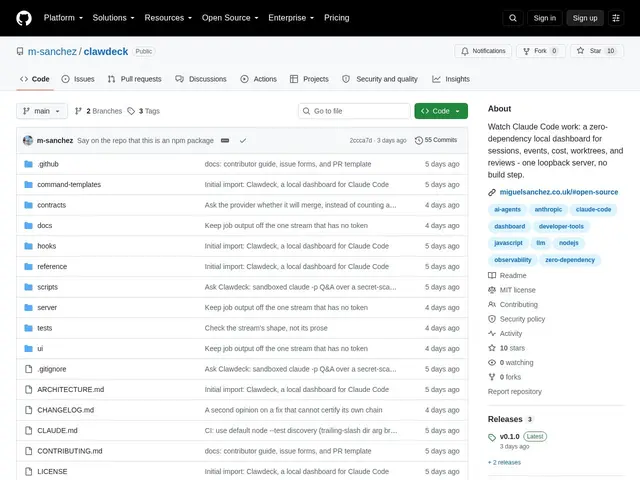
| 11 | Développeurs utilisant Claude Code au quotidien qui veulent visualiser coûts, sessions et statut CI localement | — | |
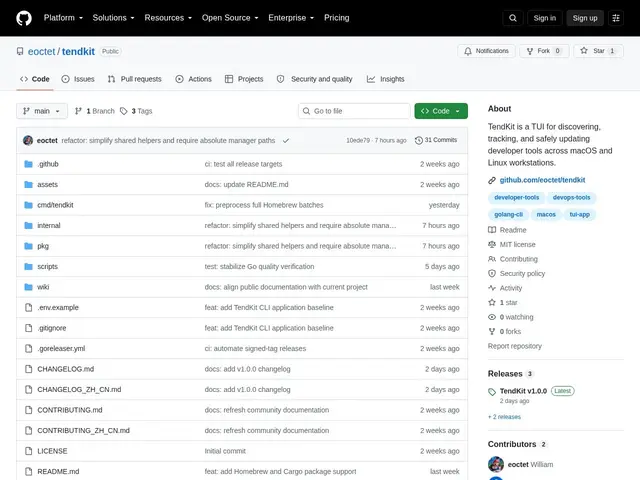
| 12 | Développeurs gérant de nombreux outils CLI et gestionnaires de paquets sur macOS/Linux | — |
Node.js library that generates realistic, deterministic synthetic fingerprints from a text seed, for testing and demos.
Moves Claude Code / Claude Desktop session history between accounts or organizations, safely and with undo.
Open-source app that unifies multiple AI coding agents (Claude Code, Cursor, Grok, Codex) into one interface with built-in Git workflows.
Free, open-source coding time tracker for 70+ editors, built by Hack Club.
A macOS app that lets solo builders run several AI coding-agent (Codex) sessions across different projects at once, with a file browser, terminal, and history all in one window.
A Python CLI that runs your old and new code on the same inputs, diffs everything that could differ, and tells you exactly what changed behavior during a refactor or migration.
An AI coding agent for mobile apps that streams a live iOS Simulator or Android Emulator preview right into the chat, so you can watch changes render as the agent writes code.
A Claude Code plugin that automatically spawns skeptical reviewer subagents to poke holes in every solution your coding agent proposes, before you implement it.
Free macOS editor that opens multi-gigabyte logs and CSVs almost instantly, with live grep, tail -f, diffing, and remote SSH file access.
A command-line tool that bulk-deletes saved Chrome tab groups directly from the browser's sync database, since Chrome has no built-in way to remove them in bulk.
An unofficial, zero-dependency local dashboard for Claude Code that shows sessions, cost burn rate, git worktrees, CI status and MCP server analytics in one place.
A free terminal app that shows every developer tool on your machine — CLIs, package manager installs, macOS apps — in one place and updates them safely.