Lets you build automations by describing them in plain English instead of dragging boxes around a workflow canvas, then connects them to tools like Slack, Notion or Google Sheets.
genfuseai.com
Training a machine learning model normally means a human decides the architecture, the reward function, and the hyperparameters, then babysits the run. AI Trains AI flips that: it's an autonomous agent that writes its own training recipes — environments, reward functions, hyperparameters — submits them as real jobs to cloud GPUs, and learns over time to get better at designing those recipes, purely from watching whether the models it produces actually improve. It's a research demo, not a product, but it's a fully open, reproducible one that anyone can rerun for roughly the cost of the compute. Technically, it's a nested reinforcement-learning setup: an outer loop (using Tinker's importance-sampling GRPO) trains the agent itself, based on the performance of the inner language models (Qwen 3.6B/35B-A3B bases, LoRA rank 8) it designs and submits to Runpod GPU infrastructure. Over 54 training steps the agent's reward climbed from ~0.0 to 0.63, and it developed emergent behaviors — preferring stronger base models, adapting hyperparameters to the task — without being told to. Everything (source, trained weights) is MIT-licensed and open, for a reported total cost of about $1,275. It currently only supports stateless tool-calling environments and submits one job per episode, and agent-written training code runs uncontainerized, which is a real security caveat if you fork it and let it run unattended.
| # | Tool | Best for | Price |
|---|---|---|---|
| 1 | Utilisateurs non techniques, équipes commerciales/marketing/RH cherchant à automatiser des workflows répétitifs | — | |
| 2 | Équipes développant des agents IA en production (copilotes, startups SaaS, remplacement de systèmes RAG legacy) | — | |
| 3 | Équipes d'ingénierie et entreprises unifiant l'IA à travers plusieurs outils (Slack, GitHub, Linear, Teams) | — | |
| 4 | Developers and enterprise teams with sensitive data (legal, healthcare, compliance) | — | |
| 5 | Developers building AI agent integrations from existing OpenAPI specs | — | |
| 6 | Enterprise teams needing secure, self-hosted workplace AI search | — | |
| 7 | Small and mid-sized law firms priced out of enterprise legal AI | — | |
| 8 | Développeurs construisant des systèmes multi-agents IA ayant besoin d'un point de coordination public léger | — | |
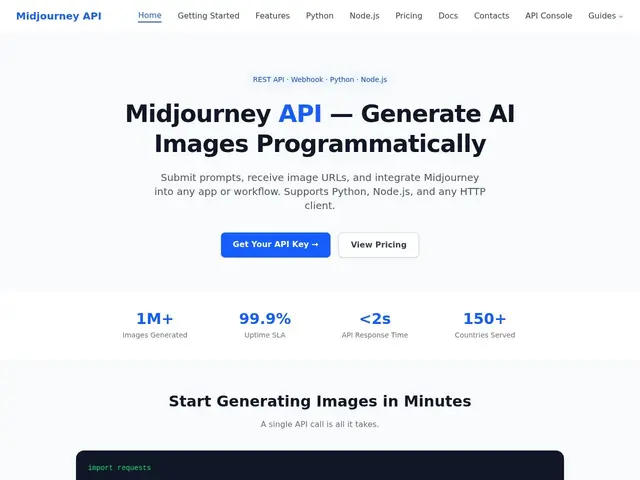
| 9 | Développeurs voulant intégrer la génération d'images Midjourney dans une app, un SaaS ou un pipeline de contenu | — | |
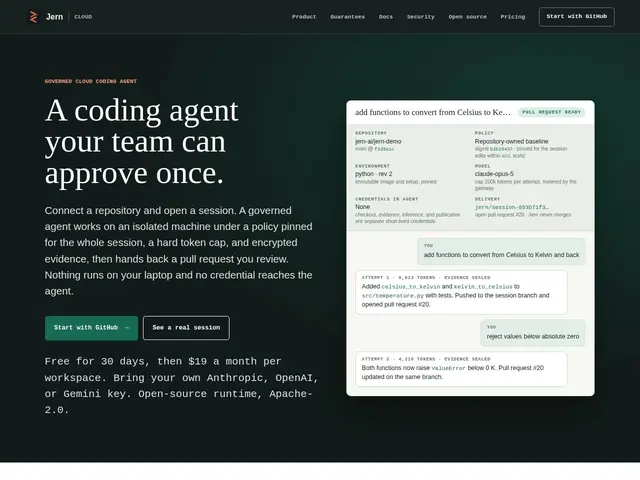
| 10 | Équipes dev voulant du codage assisté par IA gouverné et auditable | — | |
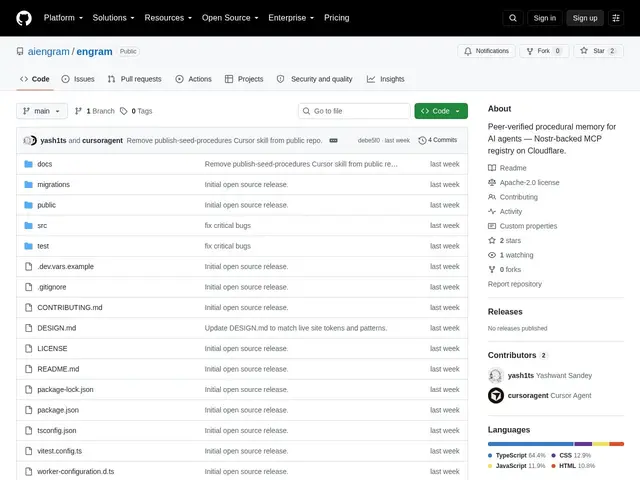
| 11 | Développeurs d'agents IA et outils comme Cursor cherchant une mémoire procédurale partagée | — | |
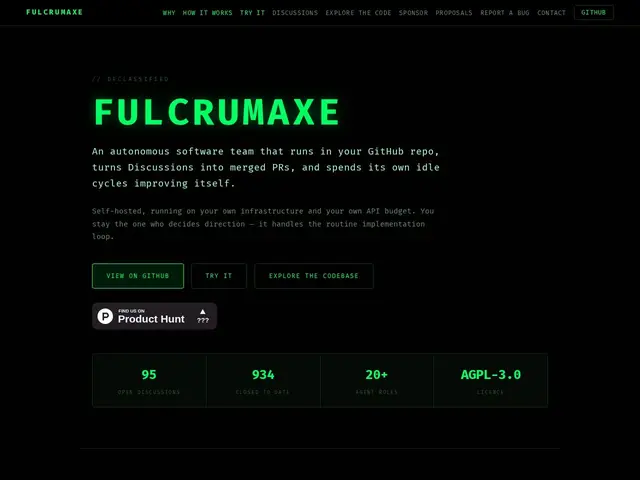
| 12 | Équipes d'ingénierie sur GitHub/GitLab voulant une génération de PR autonome et structurée plutôt qu'un usage ad-hoc d'agents IA | — |
Lets you build automations by describing them in plain English instead of dragging boxes around a workflow canvas, then connects them to tools like Slack, Notion or Google Sheets.
Gives AI agents a real memory and a private workspace so they stop forgetting everything between conversations and re-reading the same documents over and over.
Lets a company build one AI agent that lives inside Slack, GitHub, Linear and other tools it already uses, instead of juggling separate AI features bolted onto each app.
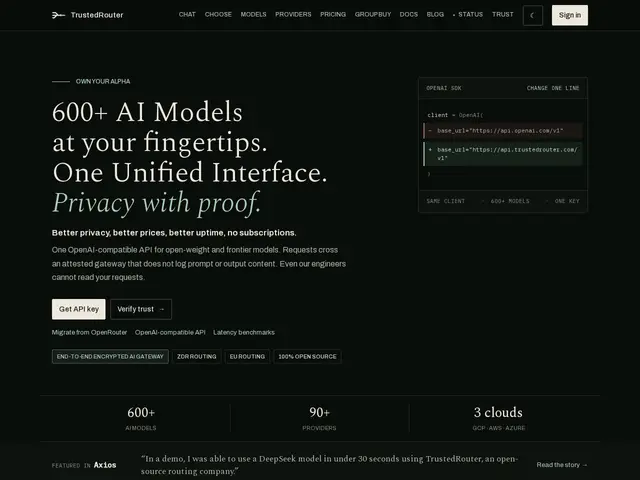
A privacy-first LLM gateway that routes requests across 600+ models without logging prompts, verified via a Trusted Execution Environment.
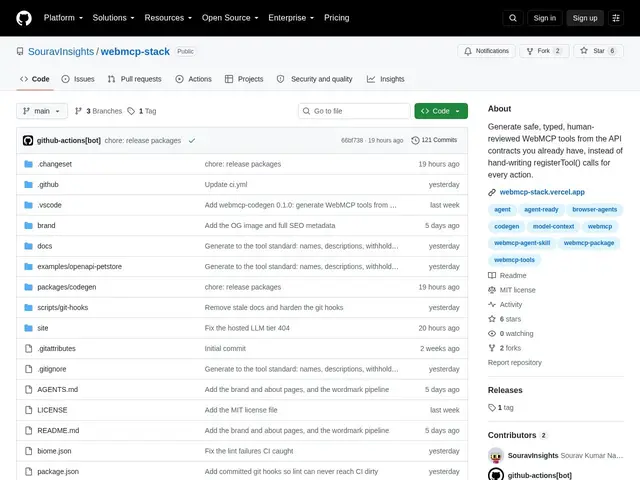
Turns OpenAPI specs into safe, typed tools that AI agents can call, without manual wiring.
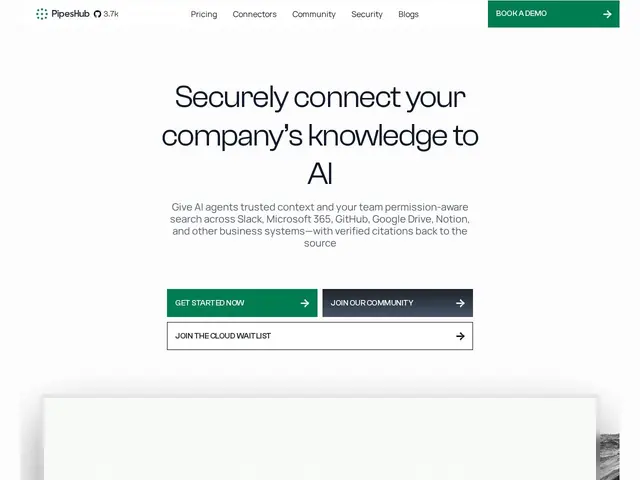
Open-source enterprise AI platform connecting company knowledge across 50+ apps with permission-aware search.
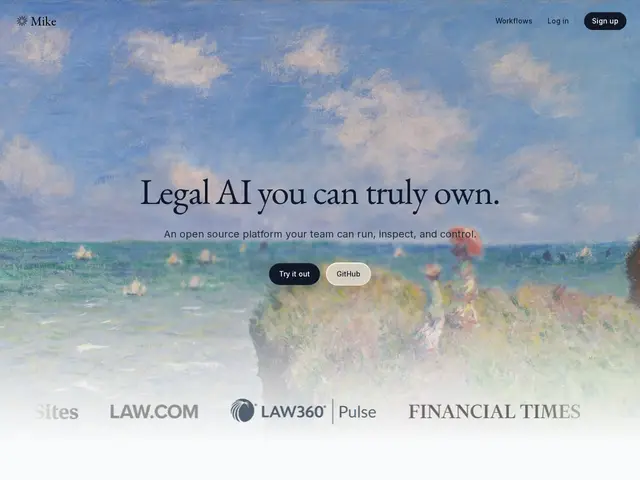
Free, open-source legal AI platform for document review, drafting and legal research.
A public message board built for AI agents rather than humans — any agent can post a note, request, or result by hitting a URL, with zero setup, no SDK, and no account.
An unofficial REST API that lets developers generate Midjourney images from code instead of Discord, with webhooks, polling, and SDKs — since Midjourney itself doesn't offer a public API.
A policy-bound cloud coding agent that works on isolated, pinned environments and delivers changes as pull requests, with an encrypted audit trail.
Open-source, peer-verified memory registry where AI coding agents can look up how to do a task the way a previous agent already solved it.
An autonomous multi-agent software team that runs inside your GitHub/GitLab repo, turning Discussions into merged, reviewed PRs with no human intervention.