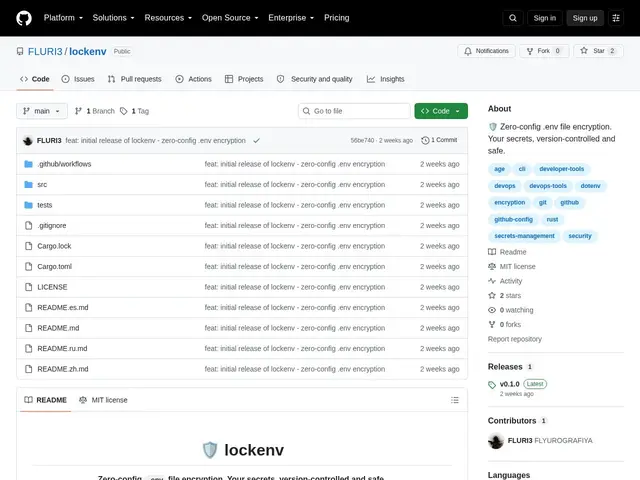
A free command-line tool that encrypts your .env secrets file so you can safely commit it to Git, with a pre-commit hook that catches accidental leaks before they happen.
github.com
42 tools curated in this category — including lockenv, YubiShard, NGPDFs
techFind on mySelectas all sites and tools related to encryption. This selection of 42 resources is reviewed and maintained by the community. The most popular include lockenv, YubiShard, NGPDFs. Each tool comes with a review, tags, comparisons and alternatives to help you make the best choice.
A free command-line tool that encrypts your .env secrets file so you can safely commit it to Git, with a pre-commit hook that catches accidental leaks before they happen.
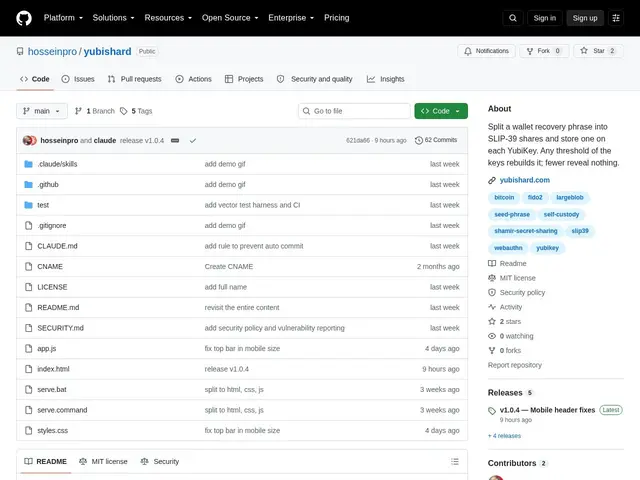
Splits a crypto wallet seed phrase across multiple YubiKeys using Shamir's Secret Sharing, so no single key is enough
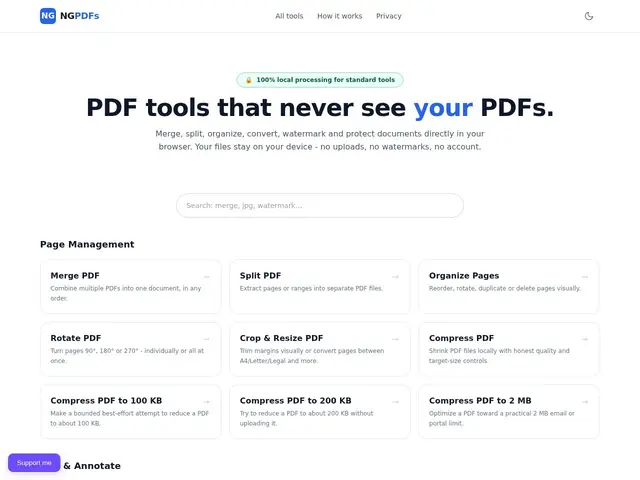
Free browser-based PDF editor that never uploads your files to a server
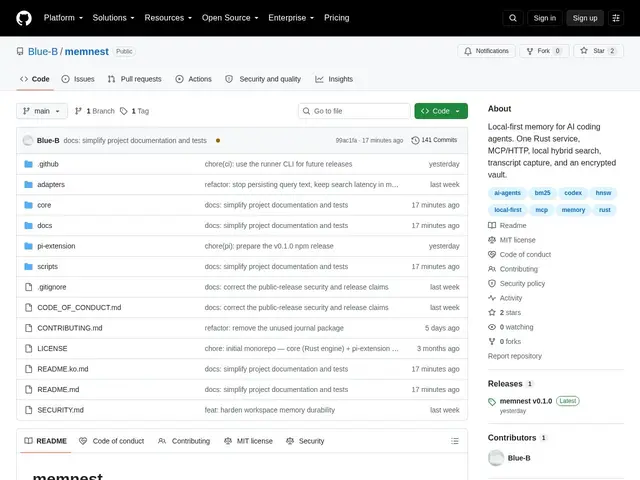
Open-source, local-first memory service that lets AI coding agents like Claude Code and Codex remember past decisions across sessions.
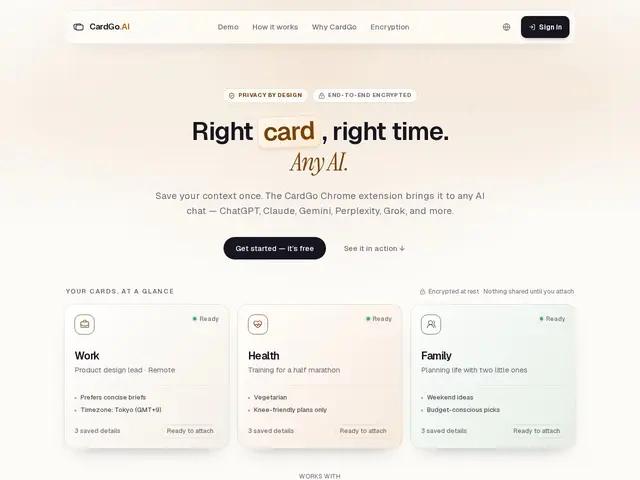
Browser extension that stores your personal and work context once in encrypted "cards" and reuses it across every AI chatbot.
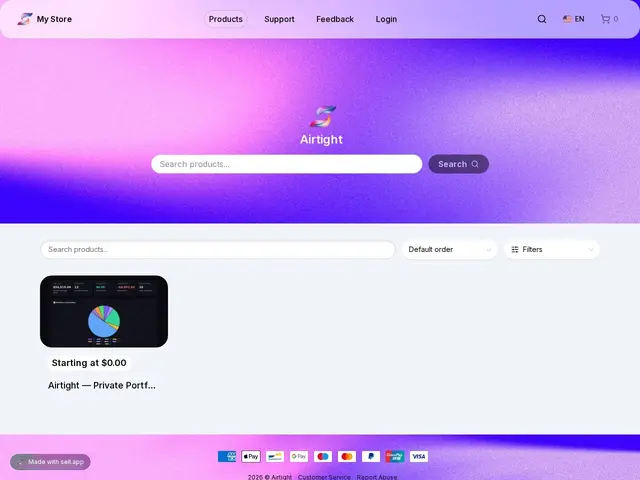
A single downloadable HTML file that tracks a cryptocurrency portfolio's profit and loss entirely inside your browser, with no account, server, or cloud sync involved.
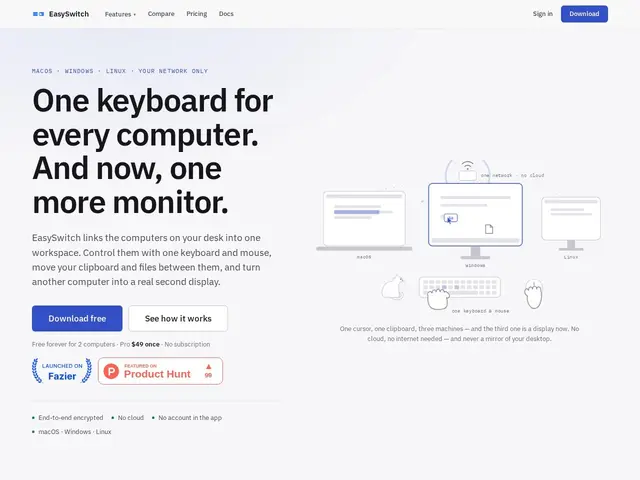
A Rust-built KVM tool that shares one keyboard, mouse, and clipboard across up to 5 LAN-connected computers, and turns a spare machine into a second monitor. Free for 2 computers; $49 one-time unlocks 5, no subscription.
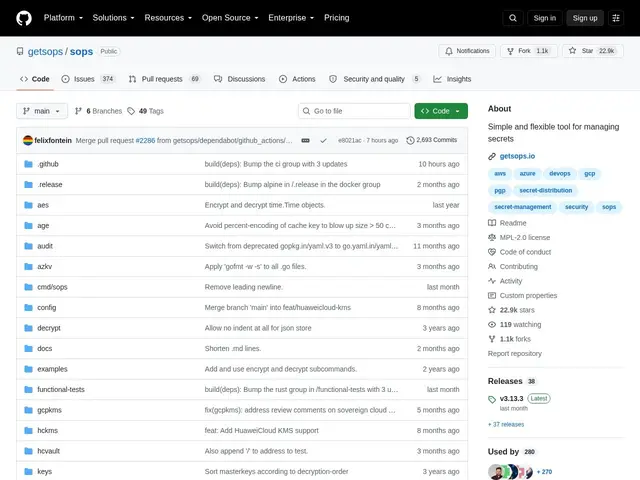
A command-line editor for encrypting secrets inside YAML, JSON, ENV, INI or binary files — using AWS KMS, GCP KMS, Azure Key Vault, age or PGP — so encrypted config can be safely committed to git.
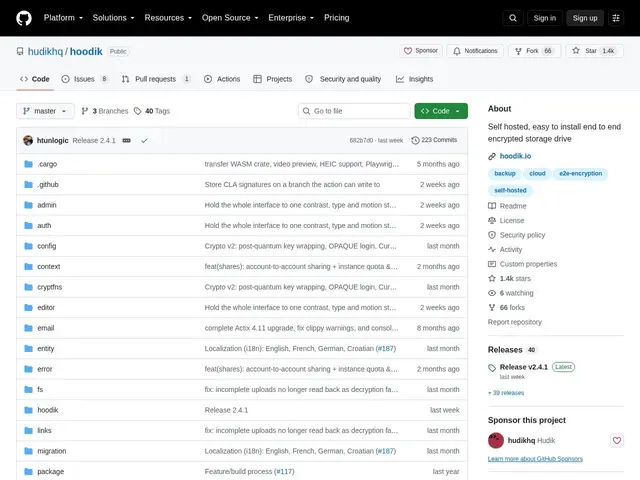
A self-hosted Google Drive/Dropbox alternative where files are encrypted in your browser before they ever reach the server — so even the machine storing your files never sees what's actually in them.
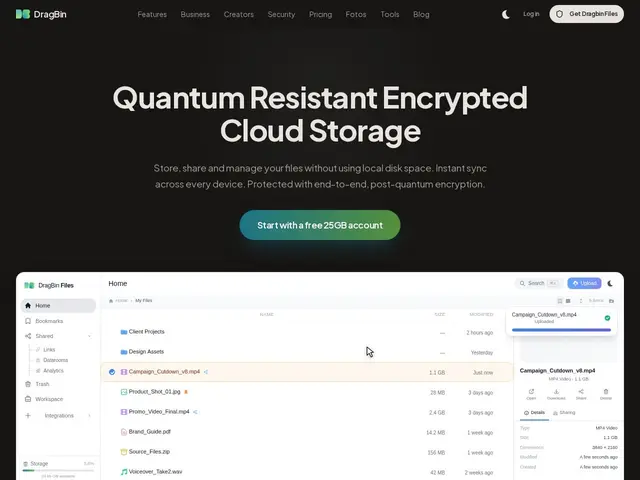
End-to-end encrypted cloud storage with post-quantum key exchange and client-side AES-256 encryption, from $3/month for 500GB.
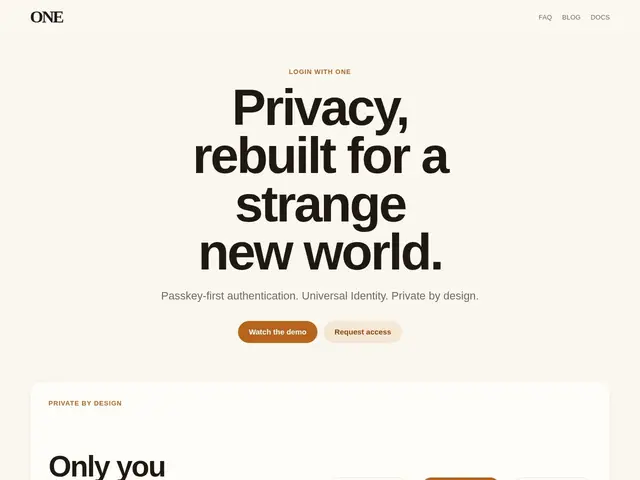
ONE is a passkey-first identity platform that lets people verify their age or identity once and reuse that verification across apps, without businesses ever seeing raw personal data.
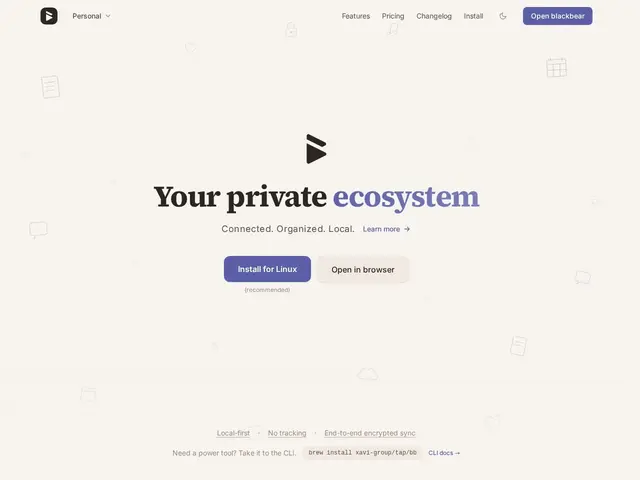
Bundles notes, docs, spreadsheets, calendar, tasks, and end-to-end encrypted chat with voice/video calls into one app that works fully offline by default — an alternative to running Notion, Google Workspace, and Signal as separate accounts.
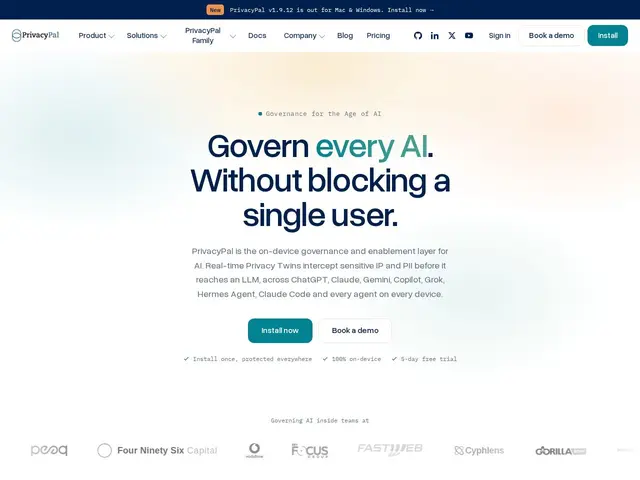
A tool that sits between you and ChatGPT (or Claude, or Copilot) and swaps out anything sensitive you type — names, medical details, account numbers — with realistic fake stand-ins before it ever leaves your computer, so the AI still understands your ques
A markdown editor and sharing tool that encrypts your document in your browser before it ever leaves your device, so even the service running it can't read what you wrote.
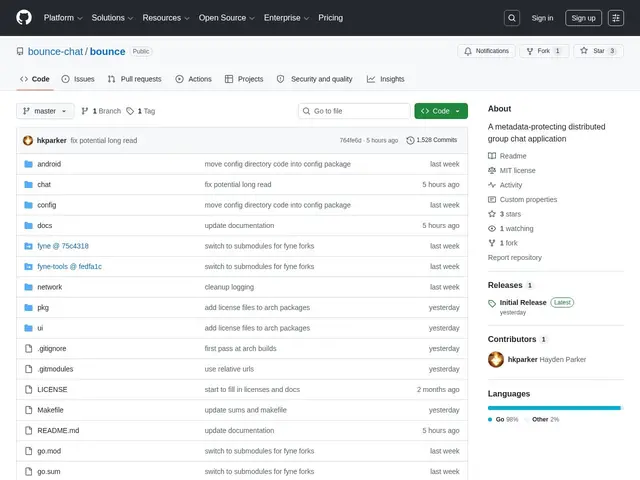
A free, decentralized group chat app that hides not just your messages but who's talking to whom, by routing everything through the Tor network.
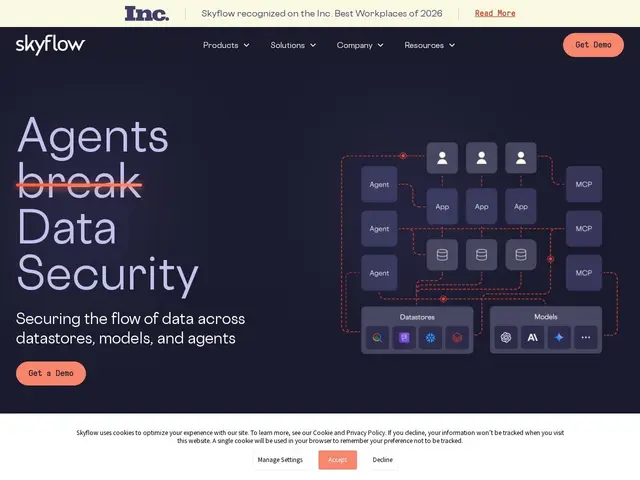
A secure vault that stores your customers' sensitive data (like credit card numbers or medical records) separately from the rest of your app, so a breach elsewhere can't expose it.
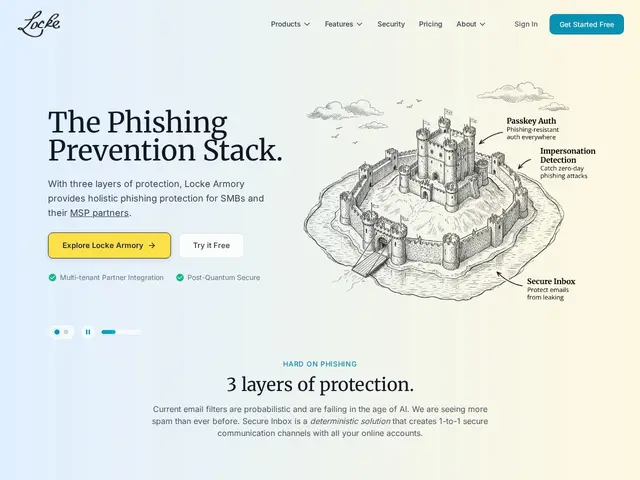
A password manager built around stopping phishing specifically — instead of just storing your passwords, it gives you disposable email addresses and warns you when a site is impersonating a real one.
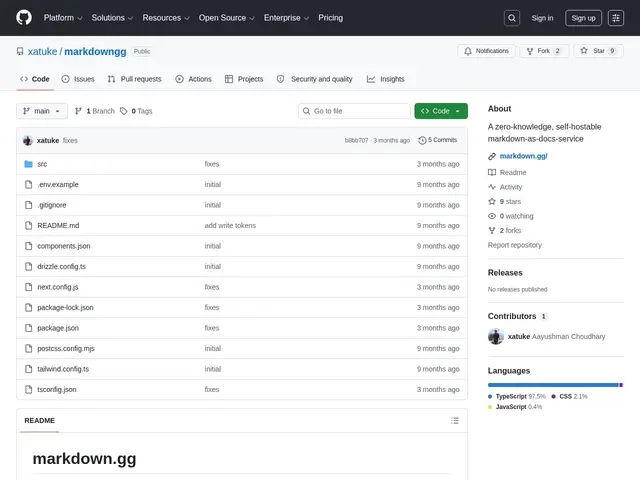
A Slack/Discord-style team chat app you can run yourself on a single 50MB file, so your conversations live on your own server instead of someone else's cloud.
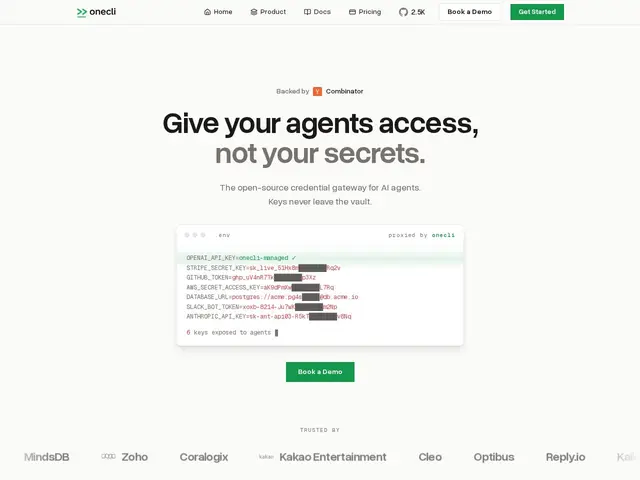
Open-source gateway that lets AI agents call APIs without ever seeing your real API keys — real secrets are injected transparently at the network level.
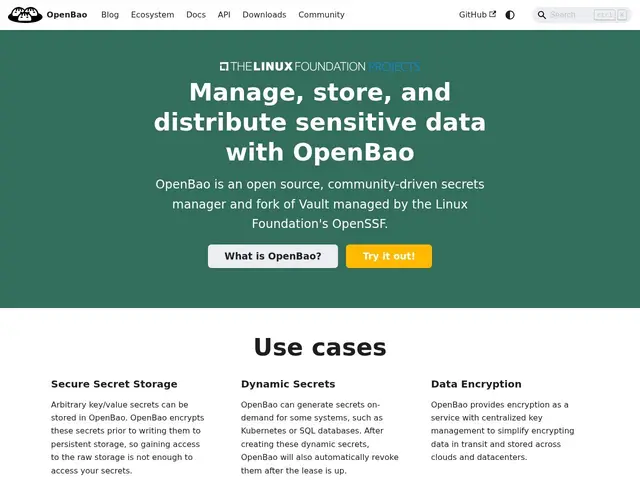
Community-governed, truly open-source secrets manager — a Linux Foundation fork of Vault, born when Vault went source-available.