Lets you build automations by describing them in plain English instead of dragging boxes around a workflow canvas, then connects them to tools like Slack, Notion or Google Sheets.
genfuseai.com
AI coding assistants are usually handed every tool at once: read files, write files, run commands, delete things. If the agent misreads the task or hallucinates a step, nothing stops it from doing something destructive mid-conversation. Statewright works more like a building with keycard access per floor: the agent only gets the keys for the phase it's actually in — read-only while it's exploring the code, edit tools once it's implementing, test commands once it's verifying — so a wrong turn can't cascade into a wrong action. Statewright is a Rust-built engine that enforces phase-specific tool allowlists for AI coding agents via workflows defined in JSON (states, transitions, guards, approval gates). It integrates through MCP and hooks with Claude Code, Codex, Cursor, OpenCode, and Pi, and can route different LLMs to different states (e.g., a cheap model for read-only exploration, a stronger one for implementation). It's open source (Apache 2.0, with some components on a delayed FSL license converting to Apache 2.0 in 2029) and self-hostable via Docker Compose, with an optional managed cloud tier for workflow storage and the MCP gateway.
| # | Tool | Best for | Price |
|---|---|---|---|
| 1 | Utilisateurs non techniques, équipes commerciales/marketing/RH cherchant à automatiser des workflows répétitifs | — | |
| 2 | Équipes développant des agents IA en production (copilotes, startups SaaS, remplacement de systèmes RAG legacy) | — | |
| 3 | Équipes d'ingénierie et entreprises unifiant l'IA à travers plusieurs outils (Slack, GitHub, Linear, Teams) | — | |
| 4 | Developers and enterprise teams with sensitive data (legal, healthcare, compliance) | — | |
| 5 | Developers building AI agent integrations from existing OpenAPI specs | — | |
| 6 | Enterprise teams needing secure, self-hosted workplace AI search | — | |
| 7 | Small and mid-sized law firms priced out of enterprise legal AI | — | |
| 8 | Développeurs construisant des systèmes multi-agents IA ayant besoin d'un point de coordination public léger | — | |
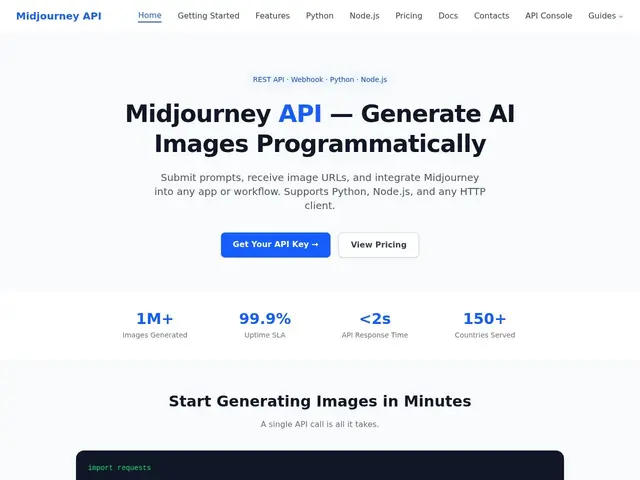
| 9 | Développeurs voulant intégrer la génération d'images Midjourney dans une app, un SaaS ou un pipeline de contenu | — | |
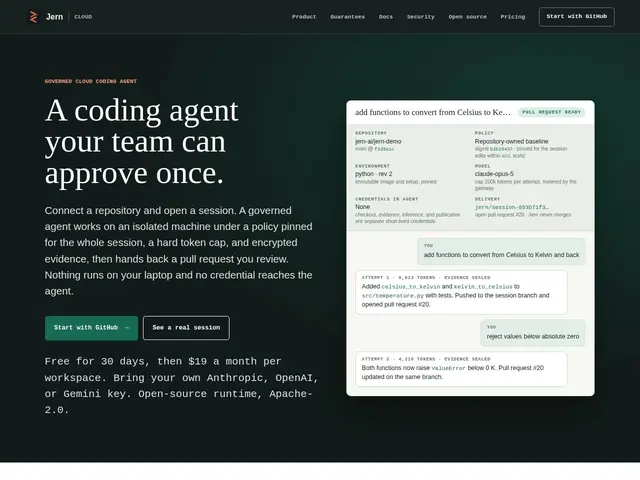
| 10 | Équipes dev voulant du codage assisté par IA gouverné et auditable | — | |
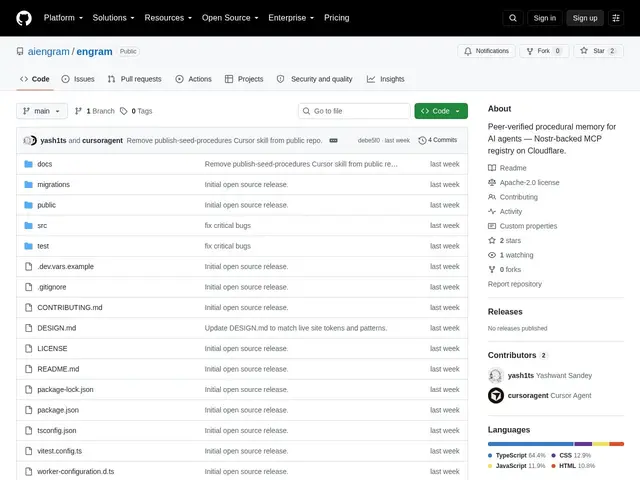
| 11 | Développeurs d'agents IA et outils comme Cursor cherchant une mémoire procédurale partagée | — | |
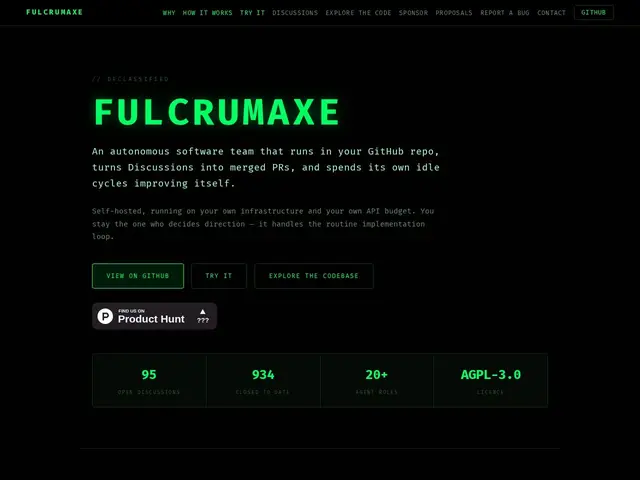
| 12 | Équipes d'ingénierie sur GitHub/GitLab voulant une génération de PR autonome et structurée plutôt qu'un usage ad-hoc d'agents IA | — |
Lets you build automations by describing them in plain English instead of dragging boxes around a workflow canvas, then connects them to tools like Slack, Notion or Google Sheets.
Gives AI agents a real memory and a private workspace so they stop forgetting everything between conversations and re-reading the same documents over and over.
Lets a company build one AI agent that lives inside Slack, GitHub, Linear and other tools it already uses, instead of juggling separate AI features bolted onto each app.
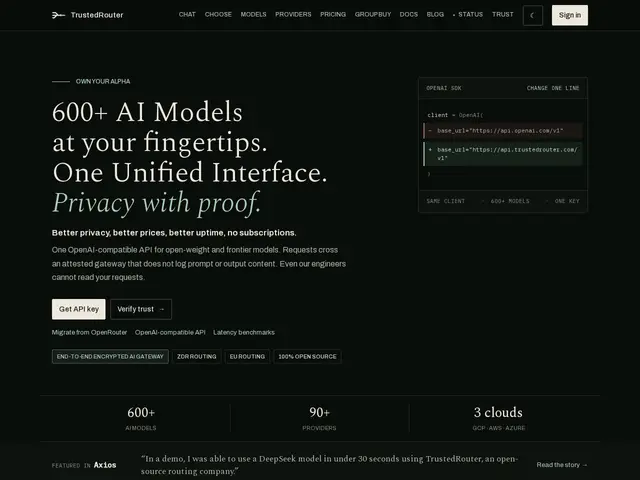
A privacy-first LLM gateway that routes requests across 600+ models without logging prompts, verified via a Trusted Execution Environment.
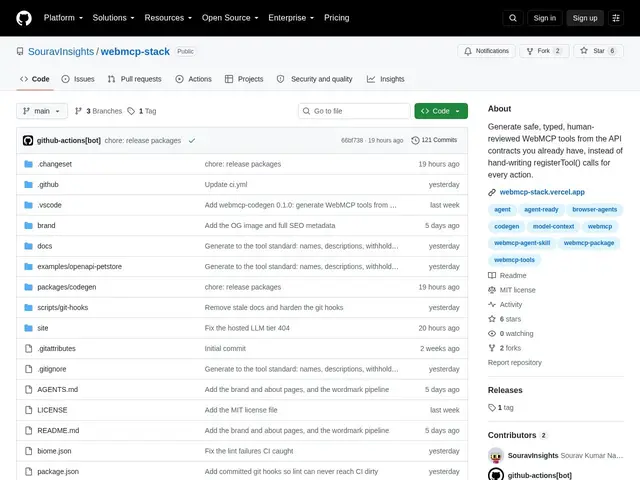
Turns OpenAPI specs into safe, typed tools that AI agents can call, without manual wiring.
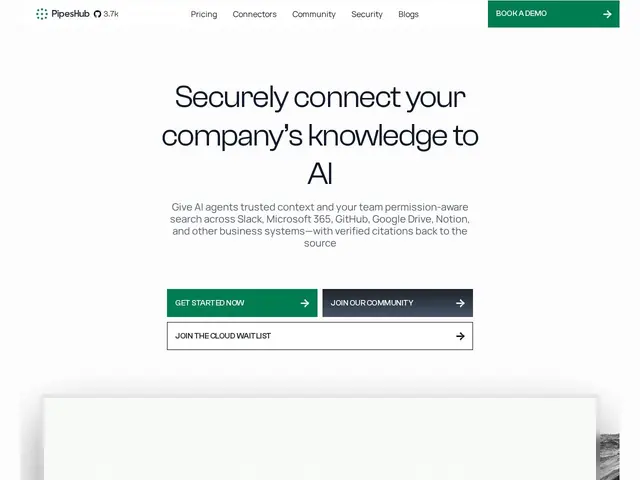
Open-source enterprise AI platform connecting company knowledge across 50+ apps with permission-aware search.
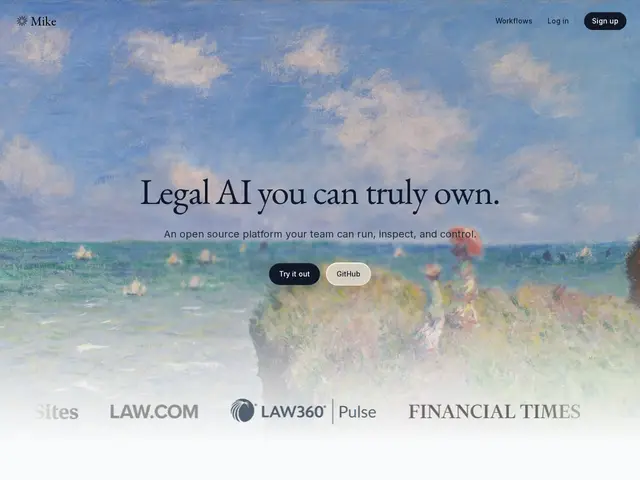
Free, open-source legal AI platform for document review, drafting and legal research.
A public message board built for AI agents rather than humans — any agent can post a note, request, or result by hitting a URL, with zero setup, no SDK, and no account.
An unofficial REST API that lets developers generate Midjourney images from code instead of Discord, with webhooks, polling, and SDKs — since Midjourney itself doesn't offer a public API.
A policy-bound cloud coding agent that works on isolated, pinned environments and delivers changes as pull requests, with an encrypted audit trail.
Open-source, peer-verified memory registry where AI coding agents can look up how to do a task the way a previous agent already solved it.
An autonomous multi-agent software team that runs inside your GitHub/GitLab repo, turning Discussions into merged, reviewed PRs with no human intervention.