A code library from the LangChain team for building AI agents that can pause, remember where they were, and pick back up later — even after a server restart — instead of losing all progress if something goes wrong mid-task.
langchain.com
Most AI agent tools work like separate contractors: you give each one a task, it does that one thing, and it has no idea what the others are doing. Pentagon is built around a different idea — treating a group of AI agents like a team that talks to each other, the way human coworkers do in a shared Slack channel, so they can coordinate on bigger, multi-step work without you manually relaying information between them. Technically, Pentagon provides a Spatial Canvas visual workspace showing agent status and activity, Team and Channel organization for structured agent groupings, agent persistence for institutional memory across sessions, human-in-the-loop oversight with live status reports, granular access control at the folder/tool/action level, real-time task tracking, and self-organizing group-chat coordination between agents. It currently supports Claude and Codex, with hardware-level sandboxing listed as coming soon. Pentagon is Y Combinator-backed (batch P26, from Arlington Labs, Inc.), proprietary rather than open-source, with a free Studio download and custom enterprise pricing for larger deployments.
| # | Tool | Best for | Price |
|---|---|---|---|
| 1 | Développeurs construisant des agents IA en production nécessitant un contrôle fin de l'état et de la fiabilité | — | |
| 2 | Développeurs Swift/iOS/macOS construisant des agents IA avec logique multi-étapes et état persistant | — | |
| 3 | Python developers | Automation teams | — | |
| 4 | Utilisateurs non techniques, équipes commerciales/marketing/RH cherchant à automatiser des workflows répétitifs | — | |
| 5 | Équipes développant des agents IA en production (copilotes, startups SaaS, remplacement de systèmes RAG legacy) | — | |
| 6 | Équipes d'ingénierie et entreprises unifiant l'IA à travers plusieurs outils (Slack, GitHub, Linear, Teams) | — | |
| 7 | Developers and enterprise teams with sensitive data (legal, healthcare, compliance) | — | |
| 8 | Developers building AI agent integrations from existing OpenAPI specs | — | |
| 9 | Enterprise teams needing secure, self-hosted workplace AI search | — | |
| 10 | Small and mid-sized law firms priced out of enterprise legal AI | — | |
| 11 | Développeurs construisant des systèmes multi-agents IA ayant besoin d'un point de coordination public léger | — | |
| 12 | Développeurs voulant intégrer la génération d'images Midjourney dans une app, un SaaS ou un pipeline de contenu | — |
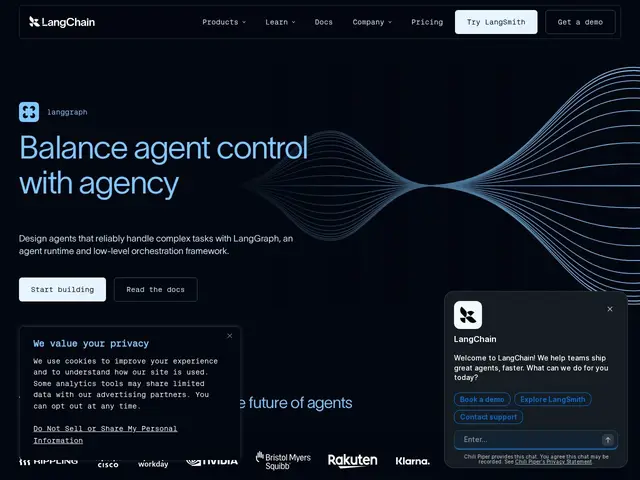
A code library from the LangChain team for building AI agents that can pause, remember where they were, and pick back up later — even after a server restart — instead of losing all progress if something goes wrong mid-task.
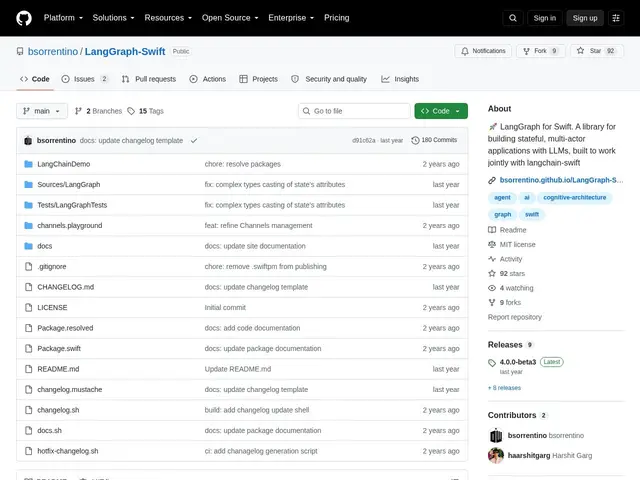
A free, open-source Swift library that brings LangGraph's stateful, multi-step AI agent pattern natively to iOS and macOS development, without needing a separate Python backend.
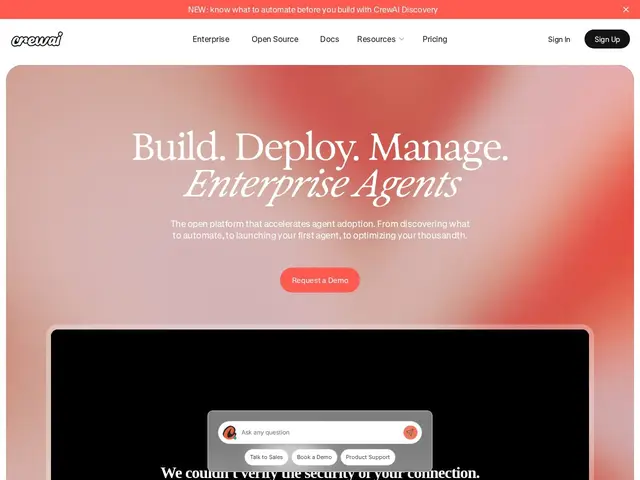
Python framework for role-based multi-agent teams: Crews plus event-driven Flows, from MIT open source to enterprise suite.
Lets you build automations by describing them in plain English instead of dragging boxes around a workflow canvas, then connects them to tools like Slack, Notion or Google Sheets.
Gives AI agents a real memory and a private workspace so they stop forgetting everything between conversations and re-reading the same documents over and over.
Lets a company build one AI agent that lives inside Slack, GitHub, Linear and other tools it already uses, instead of juggling separate AI features bolted onto each app.
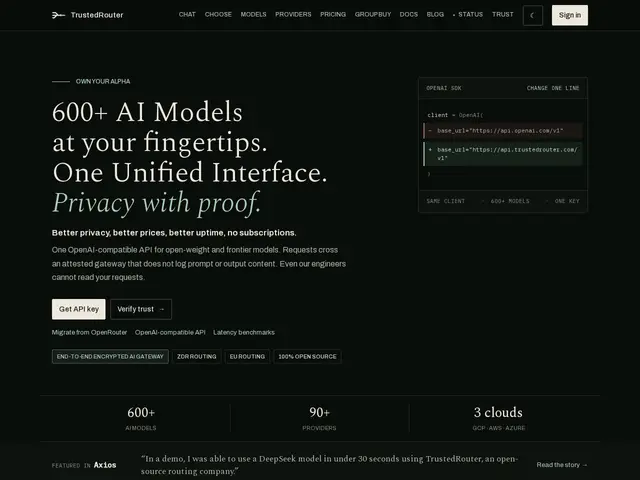
A privacy-first LLM gateway that routes requests across 600+ models without logging prompts, verified via a Trusted Execution Environment.
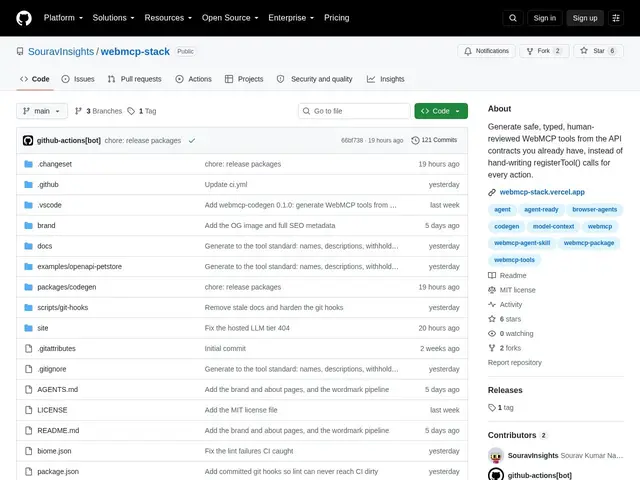
Turns OpenAPI specs into safe, typed tools that AI agents can call, without manual wiring.
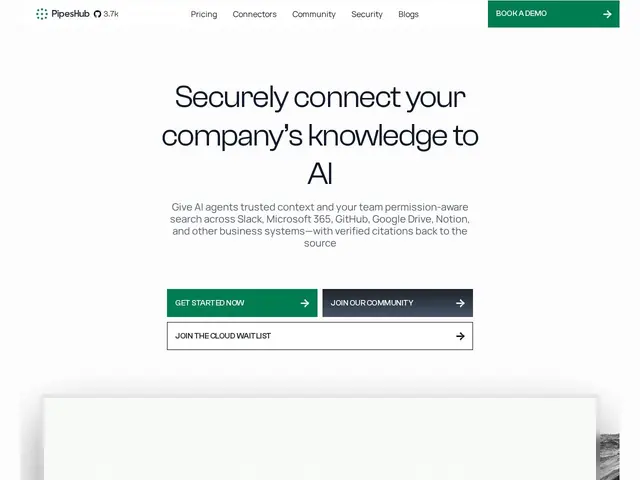
Open-source enterprise AI platform connecting company knowledge across 50+ apps with permission-aware search.
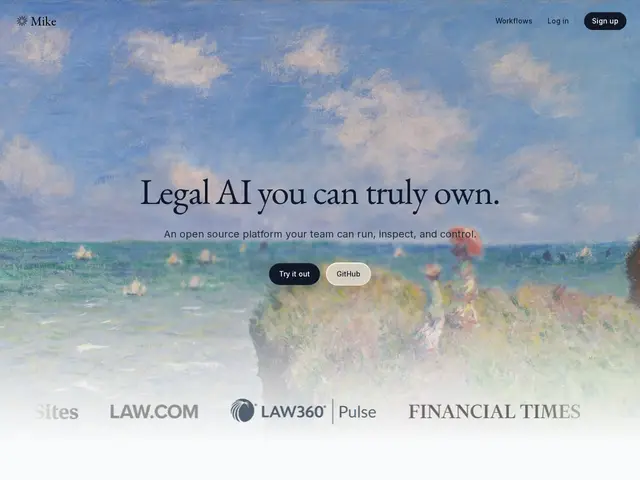
Free, open-source legal AI platform for document review, drafting and legal research.
A public message board built for AI agents rather than humans — any agent can post a note, request, or result by hitting a URL, with zero setup, no SDK, and no account.
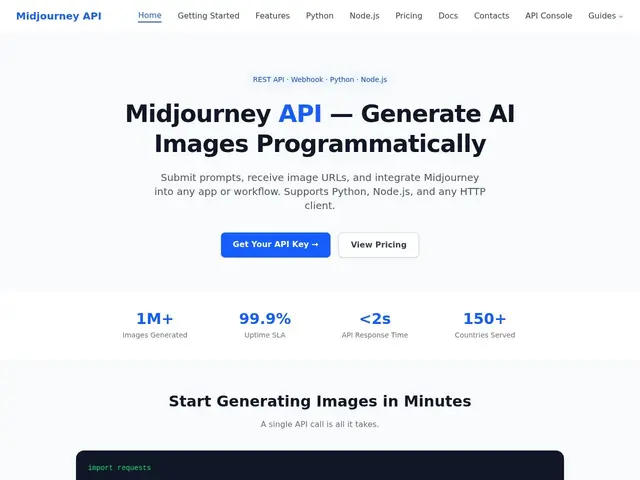
An unofficial REST API that lets developers generate Midjourney images from code instead of Discord, with webhooks, polling, and SDKs — since Midjourney itself doesn't offer a public API.