Informatique🌐 EN
Raider
#games & comics#informatique
raider.io
📄 Full details →
👥 Target audience
Joueurs de jeux vidéo
🌍 Target countries
Monde
🗣️ Available languages
FREN
🔄 Alternatives
🔗 Visit RaiderWowheadIcy Veins
When an AI coding assistant suggests a change, it usually describes the edit in words or a diff — but something still has to take that description and correctly apply it to your real file, matching up the right lines without breaking the rest of the code. Doing that with a big, slow general-purpose AI model is overkill and often unreliable. Morph built a small, specialized model whose only job is applying code edits, fast and accurately, so coding agents can act instead of just suggesting. Morph's flagship product, Fast Apply, is a 7-billion-parameter model that merges AI-generated code edits into existing files at roughly 10,500 tokens per second with around 98% accuracy, priced at $0.80 per million input tokens. It's available as an MCP tool that plugs directly into Claude Code, Cursor and other MCP-compatible coding environments, and is used in production by companies including JetBrains, Vercel and Webflow. Beyond Fast Apply, Morph offers a small suite of related infrastructure for coding agents: WarpGrep for agentic codebase search, FlashCompact for context compaction at 25,000+ tokens/second, and Reflexes for agent behavioral observability. Pricing includes a free tier (200 requests/month, 250,000 credits worth about $2.50), with usage-based pricing beyond that scaling across all four products.
| # | Tool | Best for | Price |
|---|---|---|---|
| 1 | Joueurs de jeux vidéo | — | |
| 2 | Utilisateurs non techniques, équipes commerciales/marketing/RH cherchant à automatiser des workflows répétitifs | — | |
| 3 | Équipes développant des agents IA en production (copilotes, startups SaaS, remplacement de systèmes RAG legacy) | — | |
| 4 | Équipes d'ingénierie et entreprises unifiant l'IA à travers plusieurs outils (Slack, GitHub, Linear, Teams) | — | |
| 5 | Developers and enterprise teams with sensitive data (legal, healthcare, compliance) | — | |
| 6 | Developers building AI agent integrations from existing OpenAPI specs | — | |
| 7 | Enterprise teams needing secure, self-hosted workplace AI search | — | |
| 8 | Small and mid-sized law firms priced out of enterprise legal AI | — | |
| 9 | Développeurs construisant des systèmes multi-agents IA ayant besoin d'un point de coordination public léger | — | |
| 10 | Développeurs voulant intégrer la génération d'images Midjourney dans une app, un SaaS ou un pipeline de contenu | — | |
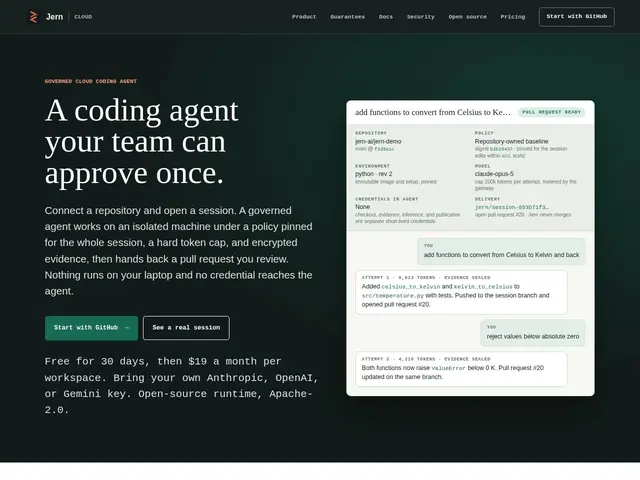
| 11 | Équipes dev voulant du codage assisté par IA gouverné et auditable | — | |
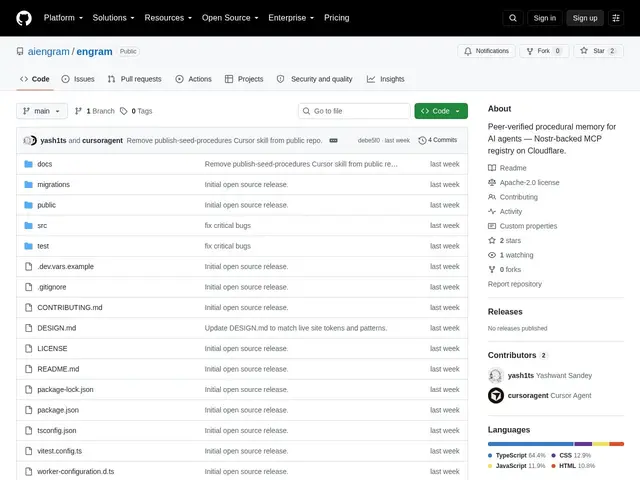
| 12 | Développeurs d'agents IA et outils comme Cursor cherchant une mémoire procédurale partagée | — |
Lets you build automations by describing them in plain English instead of dragging boxes around a workflow canvas, then connects them to tools like Slack, Notion or Google Sheets.
Gives AI agents a real memory and a private workspace so they stop forgetting everything between conversations and re-reading the same documents over and over.
Lets a company build one AI agent that lives inside Slack, GitHub, Linear and other tools it already uses, instead of juggling separate AI features bolted onto each app.
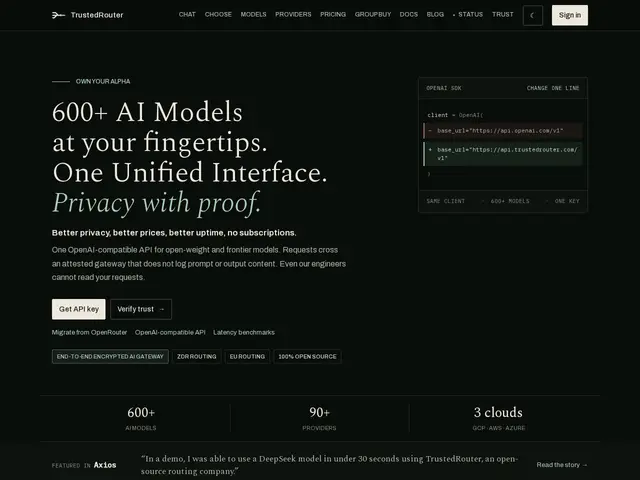
A privacy-first LLM gateway that routes requests across 600+ models without logging prompts, verified via a Trusted Execution Environment.
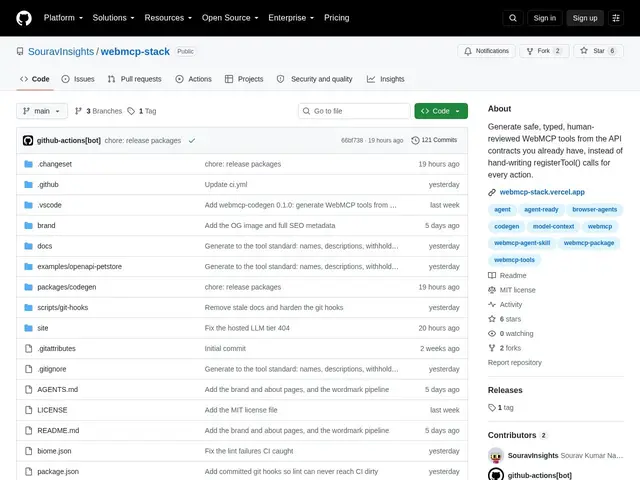
Turns OpenAPI specs into safe, typed tools that AI agents can call, without manual wiring.
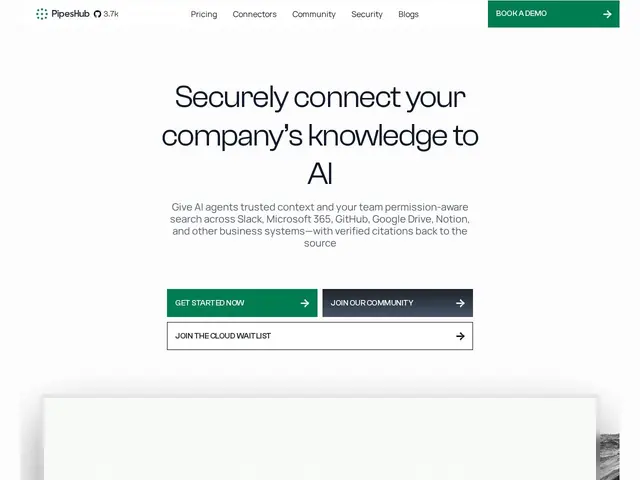
Open-source enterprise AI platform connecting company knowledge across 50+ apps with permission-aware search.
Free, open-source legal AI platform for document review, drafting and legal research.
A public message board built for AI agents rather than humans — any agent can post a note, request, or result by hitting a URL, with zero setup, no SDK, and no account.
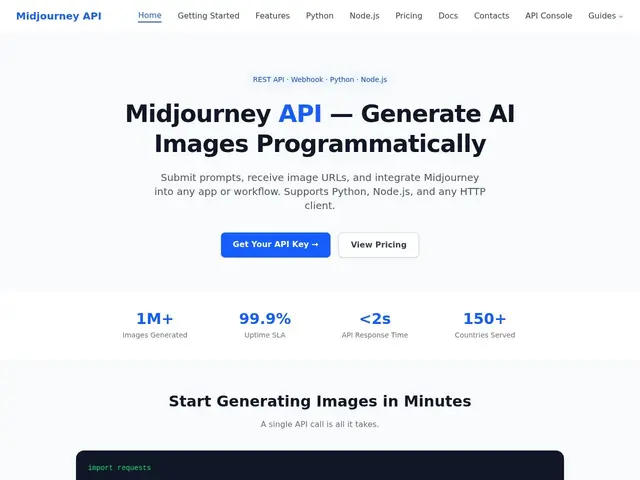
An unofficial REST API that lets developers generate Midjourney images from code instead of Discord, with webhooks, polling, and SDKs — since Midjourney itself doesn't offer a public API.
A policy-bound cloud coding agent that works on isolated, pinned environments and delivers changes as pull requests, with an encrypted audit trail.
Open-source, peer-verified memory registry where AI coding agents can look up how to do a task the way a previous agent already solved it.