Provides various free AI models including DeepSeek R1, V3, Llama, and Moonshot AI. These models excel in natural language processing and are suitable for diverse development needs. Note that while these models are free to use, they are subject to rate limits. Additionally, OpenRouter offers paid models for more advanced requirements, for instance Claude, OpenAI, Grok, Gemini, and Nova.
Best alternatives to AntSeed in 2026
If you've ever felt like you're overpaying for AI API calls even though your requests are pretty simple, AntSeed's pitch is a bit like a ride-sharing app for AI computing power: instead of everyone renting from the same few big providers, people who have spare AI capacity can sell it directly to people who need it, with the marketplace matching them up and handling payment automatically. Technically, AntSeed is an open-source (GPL-3.0), self-hosted peer-to-peer network for AI model inference. You run a Virtual Private Router (VPR) that discovers other peers via DHT (distributed hash table) and routes requests over encrypted P2P connections, with settlement done directly in USDC — no central billing intermediary. Providers set their own per-token prices, and the network reports a median saving of around 46% versus public list prices (some providers up to 64% cheaper on specific models like Qwen). Access spans 300+ models from major labs (OpenAI, Anthropic, Qwen, Meta, DeepSeek) through dozens of active verified providers. The tradeoff for the savings and decentralization is that you're dealing with a young, thin network — no formal SLAs, provider reliability is still being established on-chain, and running it requires comfort with self-hosting a router rather than clicking 'sign up.'
Quick comparison of AntSeed alternatives
| # | Tool | Best for | Price |
|---|---|---|---|
| 1 | Développeurs | — | |
| 2 | Développeurs | — | |
| 3 | Développeurs | — | |
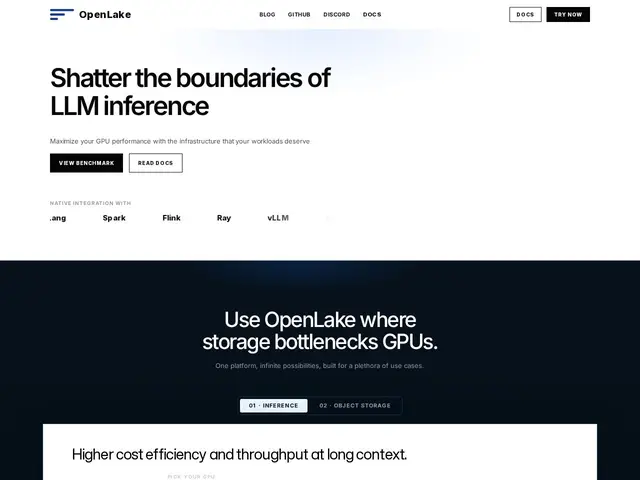
| 4 | Organizations running large-scale LLM inference and GPU training | — | |
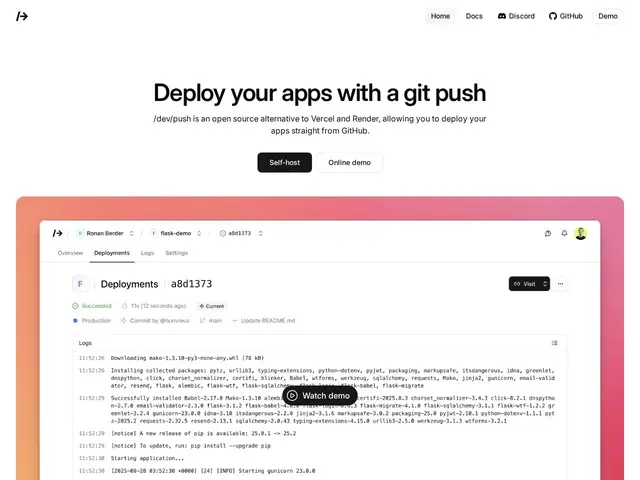
| 5 | Developers and teams wanting self-hosted, Vercel-style app deployment | — | |
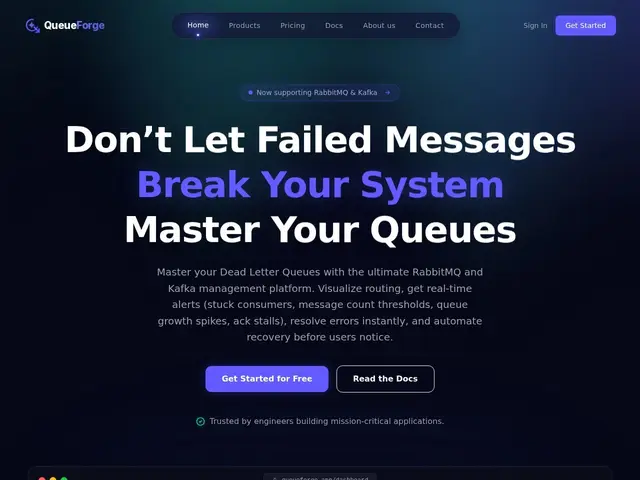
| 6 | Ingénieurs backend/DevOps gérant RabbitMQ ou Kafka en production | — | |
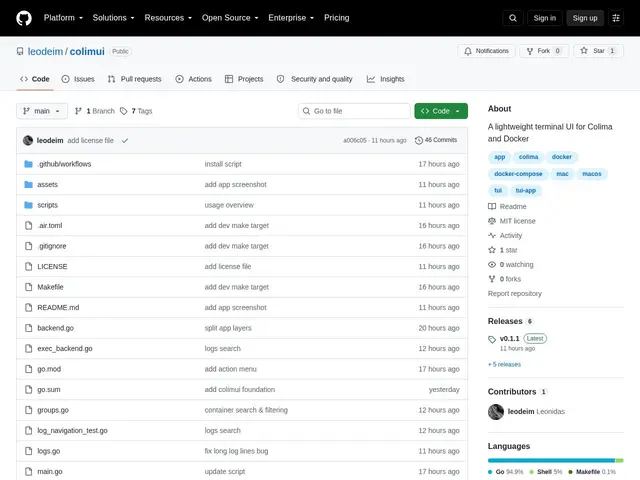
| 7 | Développeurs utilisant Colima et Docker qui préfèrent une interface terminal | — | |
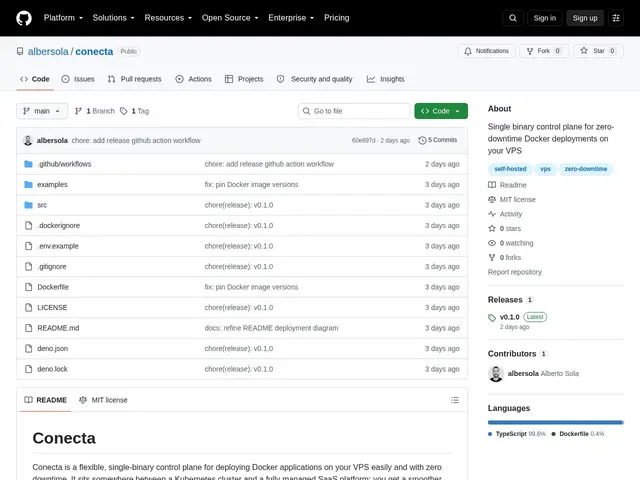
| 8 | Développeurs self-hostant des apps Docker sur VPS et voulant du déploiement zéro-downtime sans Kubernetes | — | |
| 9 | Petites équipes dev déployant des outils internes, scripts et dashboards | — | |
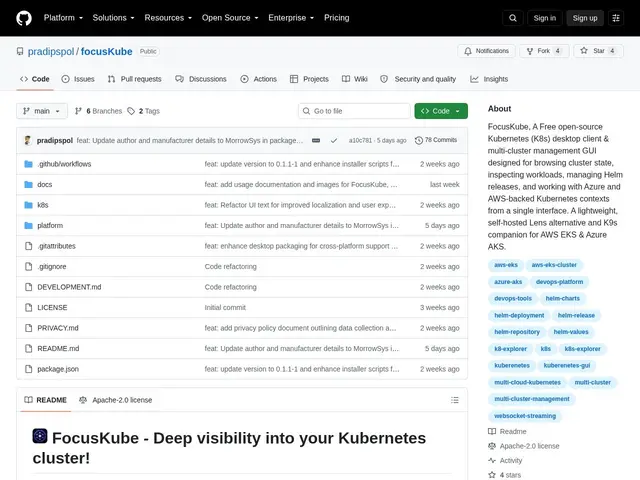
| 10 | Équipes DevOps et opérateurs Kubernetes gérant plusieurs clusters, soucieux de confidentialité | — | |
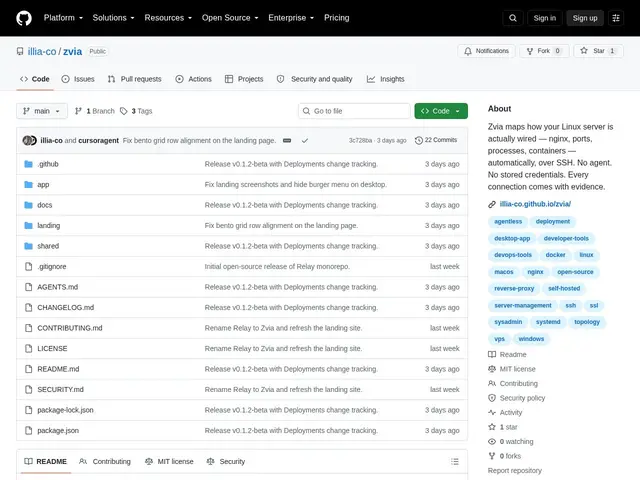
| 11 | Administrateurs serveur et ingénieurs DevOps reprenant un serveur inconnu sans agent de monitoring | — | |
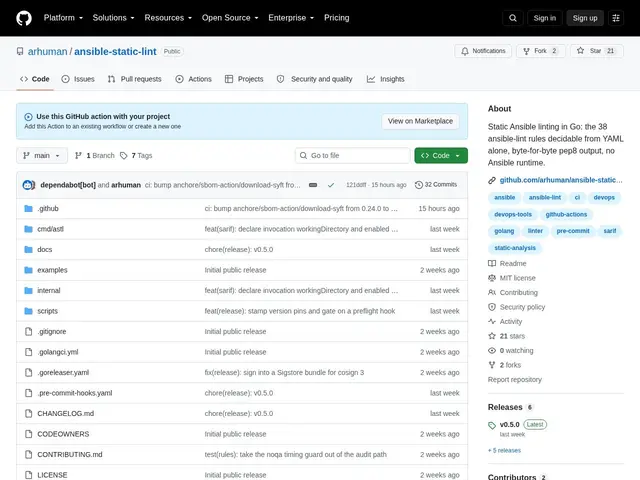
| 12 | Ingénieurs DevOps utilisant Ansible qui veulent un lint instantané en pre-commit ou en CI | — |
High-performance storage engine that removes I/O bottlenecks slowing down LLM inference and GPU training.
- ✓ Targets a real, expensive problem: GPU idle time from storage bottlenecks
- ✓ KV-cache offloading reduces redundant recomputation
Free, open-source, self-hostable deployment platform that deploys apps from GitHub with zero-downtime releases.
- ✓ 100% free and open source (MIT license), fully self-hostable
- ✓ Zero-downtime deployments with instant rollback and real-time logs
A self-hosted dashboard that watches your RabbitMQ or Kafka dead-letter queues, alerts you when messages start piling up there, and lets you replay or fix them without writing a one-off script.
- ✓ 9$/mois, pas de facturation au message ni par queue
- ✓ Clusters illimités sur tous les plans
A terminal UI for managing Docker containers and Colima profiles — start, stop, view logs, and check resource usage without leaving the terminal or opening a GUI app.
- ✓ Fonctionne en SSH/headless/tmux contrairement à un GUI
- ✓ Switch de profils Colima intégré
A single-container tool that does zero-downtime blue-green deployments on a plain VPS, using its own internal DNS and health checks instead of requiring Kubernetes.
- ✓ Zéro-downtime blue-green sans Kubernetes
- ✓ Image Docker unique, facile à déployer
Self-hosted platform for deploying internal tools and scripts into shareable team apps with one command, HTTPS and SSO included.
- ✓ Déploiement en une commande, HTTPS/SSO inclus
- ✓ Auto-hébergé et open source
A free, open-source desktop app that shows what's actually happening inside your Kubernetes clusters — pods, logs, topology — without sending any data to the cloud.
- ✓ Zero telemetry, no login, air-gapped capable
- ✓ Live log/metric streaming and interactive topology visualization
A free desktop app that connects to a Linux server over SSH and automatically draws a map of how it's really wired — nginx, ports, containers, services — without installing anything on the server.
- ✓ Agent-free: no software to install or maintain on the remote server
- ✓ Evidence-backed topology: every inferred connection cites its proof
A standalone Go rewrite of ansible-lint that checks Ansible playbooks in milliseconds with no Python or Ansible runtime installed.
- ✓ Roughly 37x faster than ansible-lint with far lower memory use
- ✓ No Python/Ansible install required, single static binary
FAQ about AntSeed alternatives
- What is the best alternative to AntSeed in 2026?
- Based on our selection, OpenRouter is the best alternative to AntSeed in 2026. Provides various free AI models including DeepSeek R1, V3, Llama, and Moonshot AI. These models excel in natural language processing and are suitable for diverse development needs. Note that while these models are free to use, they are subject to rate limits. Additionally, OpenRouter offers paid models for more advanced requirements, for instance Claude, OpenAI, Grok, Gemini, and Nova.. See our full ranking above to compare all options.
- Is AntSeed free?
- AntSeed is a paid tool. Several alternatives in our selection offer free or freemium versions.
- How many alternatives to AntSeed are there?
- mySelectas has listed 12 alternatives to AntSeed in the DevOps, Cloud & Infrastructure category. Our selection is updated regularly to include the best options available.