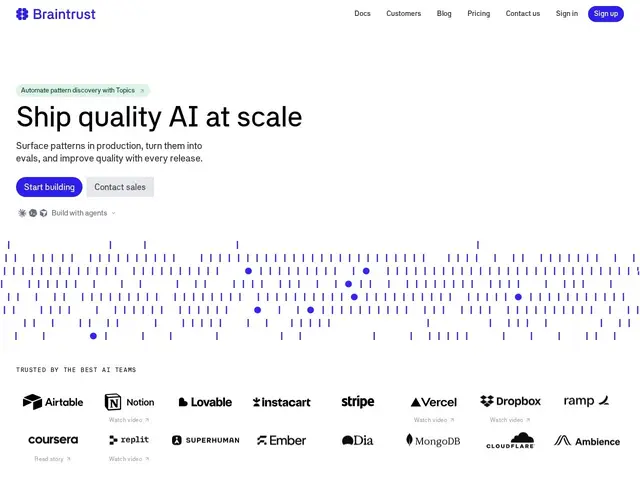
AI eval and observability platform: tracing, LLM and human scoring, quality gates. Used by Vercel, Notion and Replit.
braintrust.dev
222 tools found
AI eval and observability platform: tracing, LLM and human scoring, quality gates. Used by Vercel, Notion and Replit.
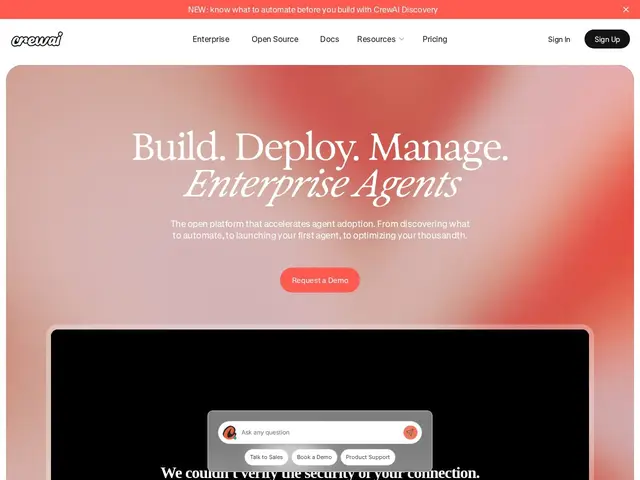
Python framework for role-based multi-agent teams: Crews plus event-driven Flows, from MIT open source to enterprise suite.
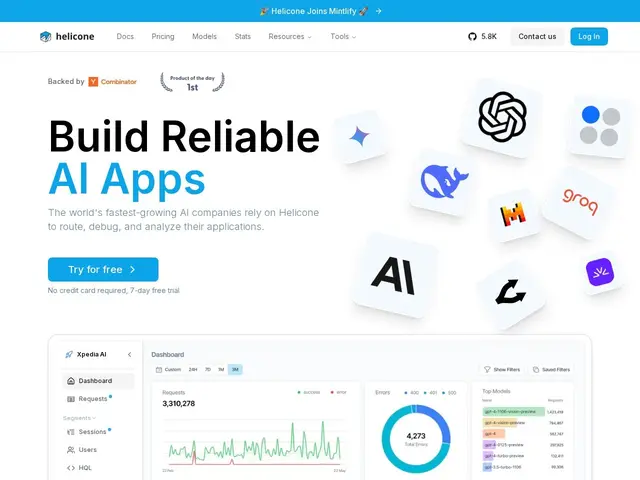
Open-source AI gateway and LLM observability: one API for 100+ models, cost and latency tracking, prompt management.
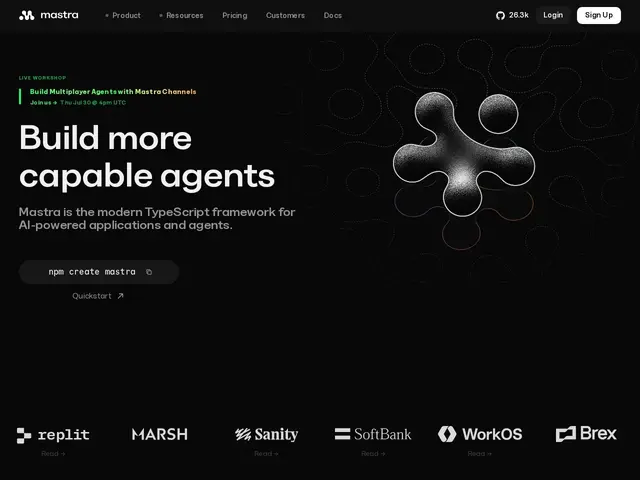
TypeScript framework for AI agents and workflows: typed tools, graph orchestration, memory, RAG and 90+ model providers.
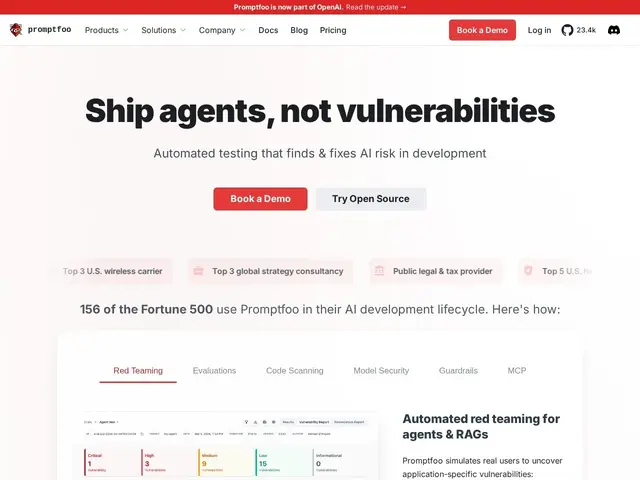
Open-source LLM eval and red teaming: test prompts, compare models, catch jailbreaks and data leaks locally and in CI.
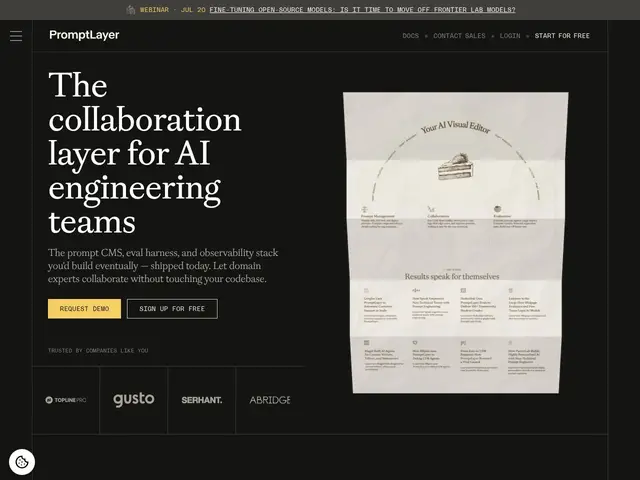
Collaboration platform for AI teams to manage, test and monitor the prompts that power their LLM applications.
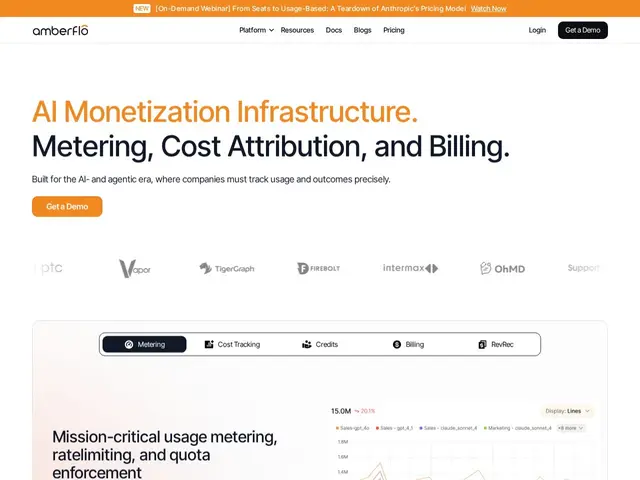
Real-time usage metering and billing platform that tracks AI/API costs and turns them into invoices, budgets and cost controls.
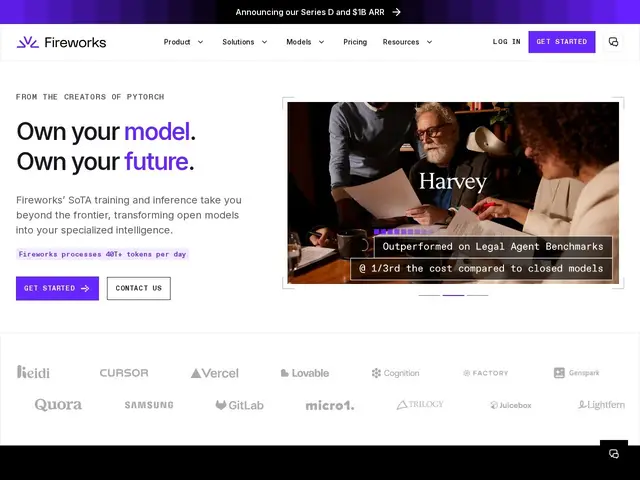
Cloud inference platform for running and fine-tuning open-source language models fast, without owning any GPUs.
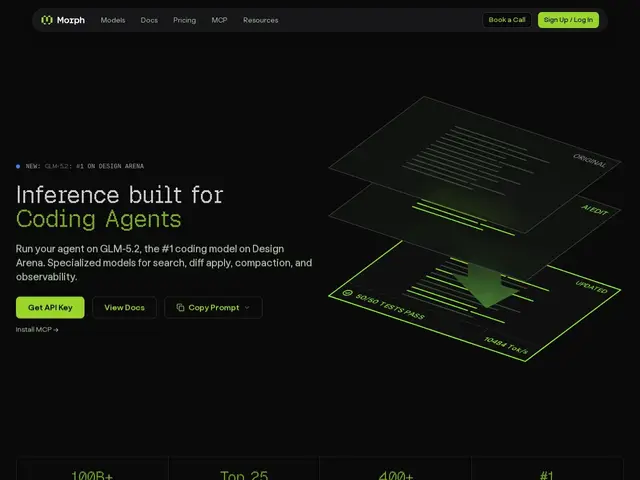
API that instantly merges AI-generated code edits into your actual files, so coding agents can make changes without rewriting whole files.
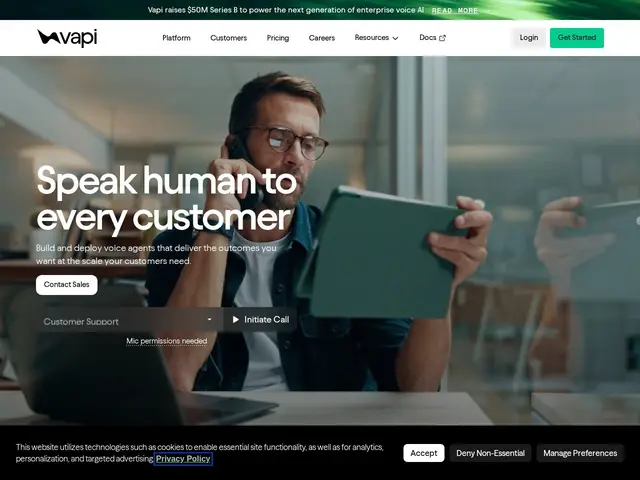
Developer platform that wires together speech recognition, an AI model and speech generation into a working phone-answering voice agent.
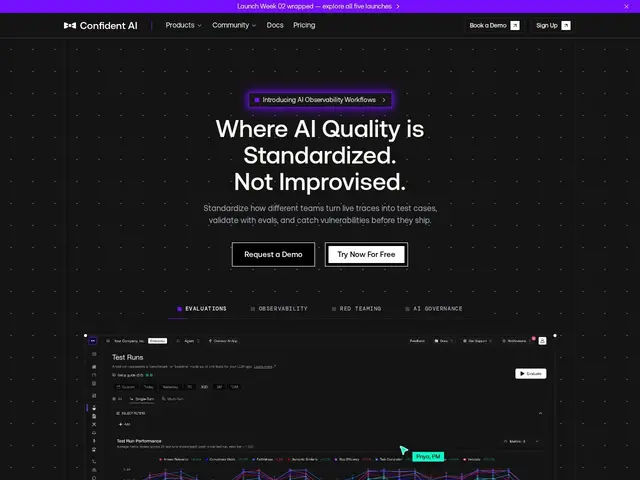
A dashboard that tells you whether your AI feature is actually getting worse or better over time, built on top of a popular open-source testing library instead of asking you to guess from user complaints.
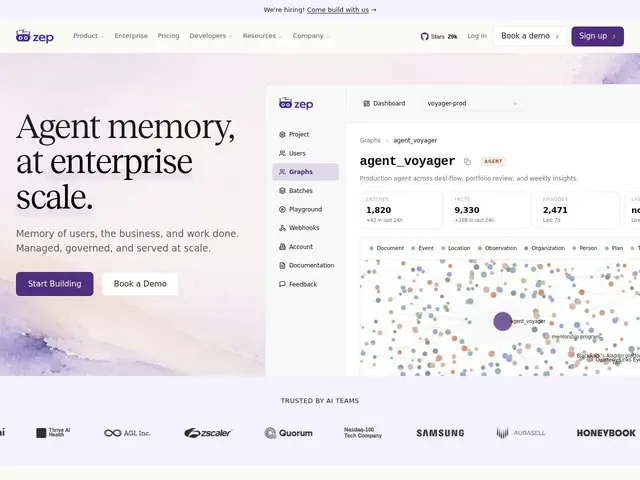
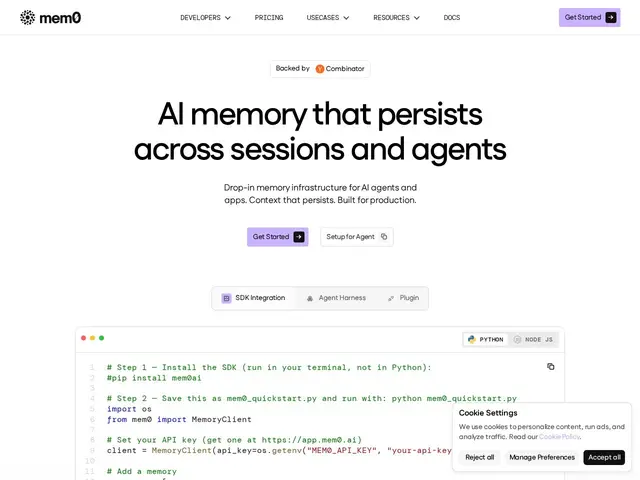
Builds a living map of everything a user has told an AI agent over time — and how those facts connect and change — so the agent can pull up exactly the right context in under 200 milliseconds instead of re-reading an entire chat history.
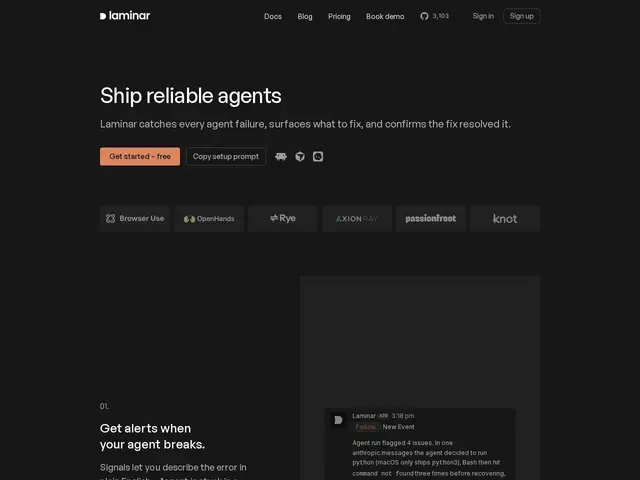
A dashboard that shows you exactly what your AI agent did, step by step, when it fails — every tool call, every sub-agent, every LLM response — instead of leaving you to guess from a wall of logs.
An open-source framework for building AI agents that keep their state and memory under your own control — self-hostable, built on academic research (MemGPT) — instead of relying on a third-party's hosted black box.
Gives AI chatbots and agents a real memory — so they remember what you told them last week — instead of forgetting everything the moment a conversation ends, the way most AI apps do by default.
A safety checker for AI systems that catches hallucinations, unsafe answers and factual mistakes before they reach a user, using its own purpose-built judge models instead of relying on a general-purpose LLM to grade itself.
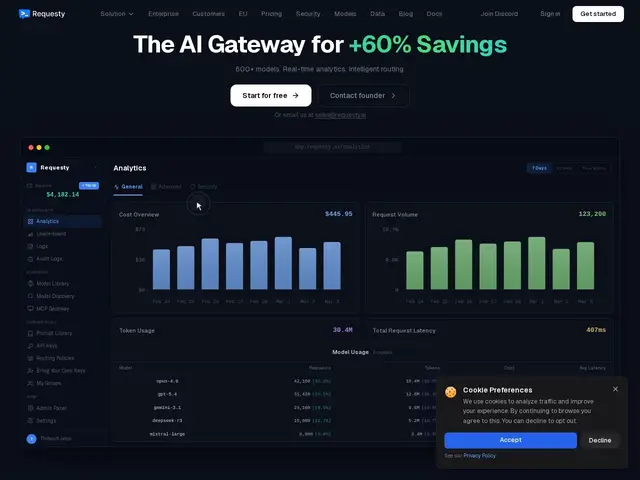
A single API endpoint that talks to 600+ AI models from 30+ providers, so switching from one AI model to another — or spreading requests across several for cost or reliability — doesn't mean rewriting your app's code.
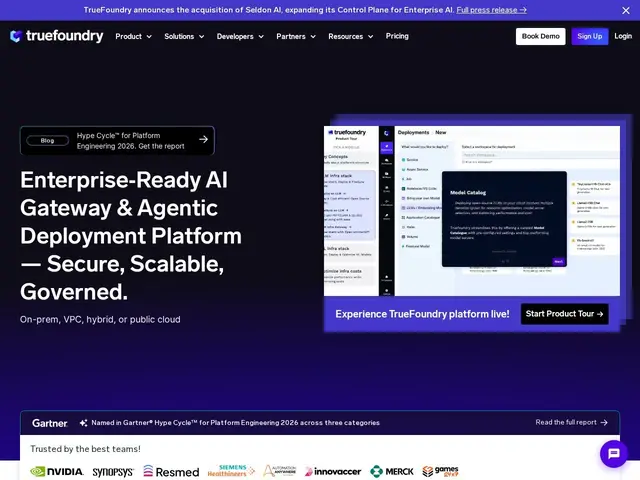
A control panel for getting AI models and agents from a developer's laptop into real production use — deployment, scaling, and governance — built to run on whichever cloud a company already uses instead of locking them into one.
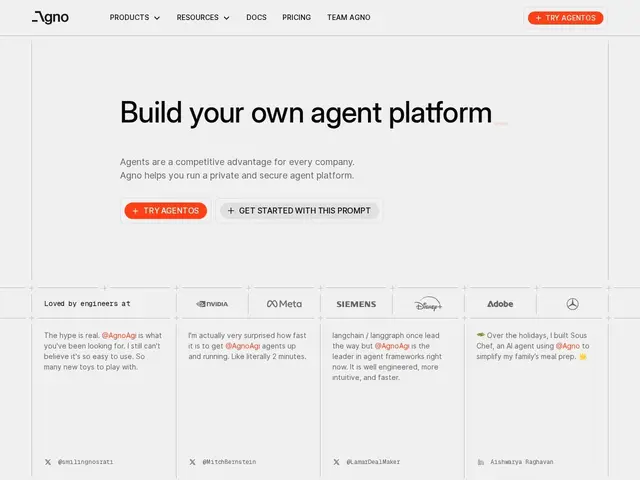
An open-source Python framework and runtime for building AI agents — it gives them memory, tools and access to 30+ model providers through one API, plus a control panel (AgentOS) to run them in production.
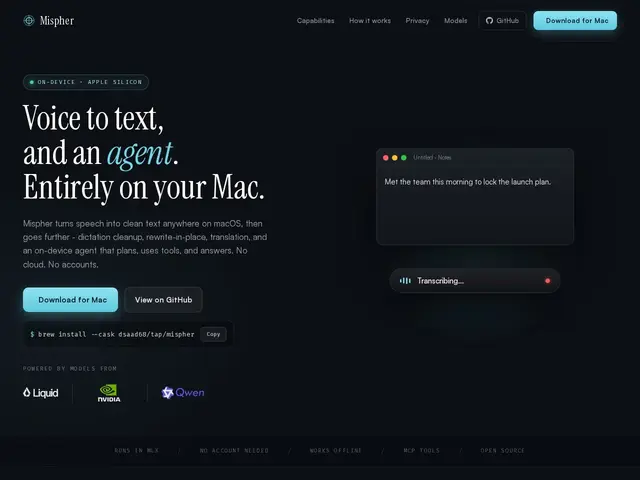
A free, open-source Mac app that turns your voice into text and can run simple AI agent tasks, all without touching the internet.