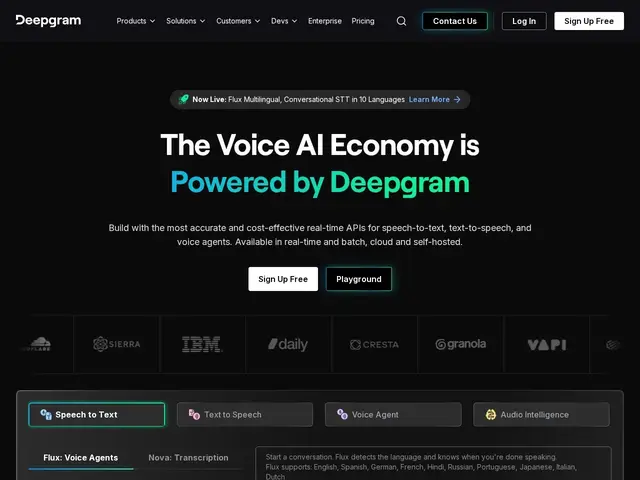
Speech recognition and voice-generation API that lets developers add accurate, fast transcription and natural-sounding speech to any app.
deepgram.com
Building a voice feature into an app — a voice assistant, a dubbed video, a customer support bot that actually sounds human — usually means stitching together separate transcription, translation, and speech-synthesis services from different vendors. Gradium offers all of it as one platform: text-to-speech, speech-to-text, voice cloning from as little as a few seconds of audio, and real-time voice-to-voice translation, currently across English, French, German, Spanish and Portuguese. It's built by a Paris-based team spun out of the Kyutai research lab, founded by Neil Zeghidour, a former Google DeepMind voice researcher, and it emphasizes speed — sub-300ms latency for streaming responses, positioned for live conversational use rather than just batch audio generation. Pricing is credit-based: a free tier gives 45,000 credits a month (roughly an hour of TTS generation, but restricted from commercial use), with paid tiers from $13/month up to $1,615/month for heavier volume, plus custom enterprise pricing. The company raised $100M in seed funding as of July 2026, with Nvidia among the investors — a large round for a young company, reflecting how competitive the AI voice space currently is.
| # | Tool | Best for | Price |
|---|---|---|---|
| 1 | Developers building voice AI applications, platforms embedding speech APIs, enterprises with custom model needs | — | |
| 2 | Professionnels de l'informatique | — | |
| 3 | Utilisateurs non techniques, équipes commerciales/marketing/RH cherchant à automatiser des workflows répétitifs | — | |
| 4 | Équipes développant des agents IA en production (copilotes, startups SaaS, remplacement de systèmes RAG legacy) | — | |
| 5 | Équipes d'ingénierie et entreprises unifiant l'IA à travers plusieurs outils (Slack, GitHub, Linear, Teams) | — | |
| 6 | Developers and enterprise teams with sensitive data (legal, healthcare, compliance) | — | |
| 7 | Developers building AI agent integrations from existing OpenAPI specs | — | |
| 8 | Enterprise teams needing secure, self-hosted workplace AI search | — | |
| 9 | Small and mid-sized law firms priced out of enterprise legal AI | — | |
| 10 | Développeurs construisant des systèmes multi-agents IA ayant besoin d'un point de coordination public léger | — | |
| 11 | Développeurs voulant intégrer la génération d'images Midjourney dans une app, un SaaS ou un pipeline de contenu | — | |
| 12 | Équipes dev voulant du codage assisté par IA gouverné et auditable | — |
Speech recognition and voice-generation API that lets developers add accurate, fast transcription and natural-sounding speech to any app.
Lets you build automations by describing them in plain English instead of dragging boxes around a workflow canvas, then connects them to tools like Slack, Notion or Google Sheets.
Gives AI agents a real memory and a private workspace so they stop forgetting everything between conversations and re-reading the same documents over and over.
Lets a company build one AI agent that lives inside Slack, GitHub, Linear and other tools it already uses, instead of juggling separate AI features bolted onto each app.
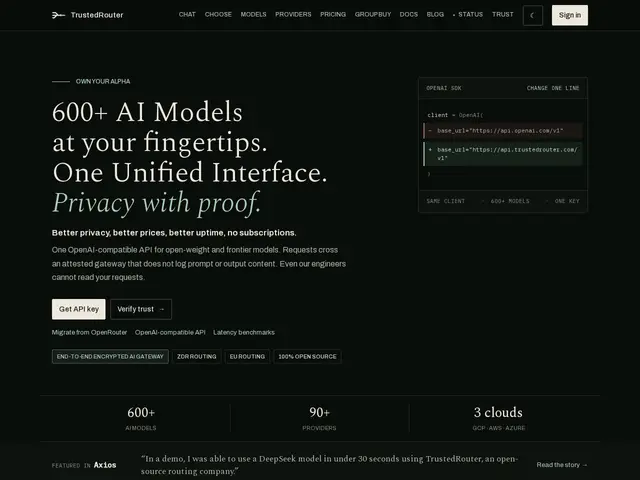
A privacy-first LLM gateway that routes requests across 600+ models without logging prompts, verified via a Trusted Execution Environment.
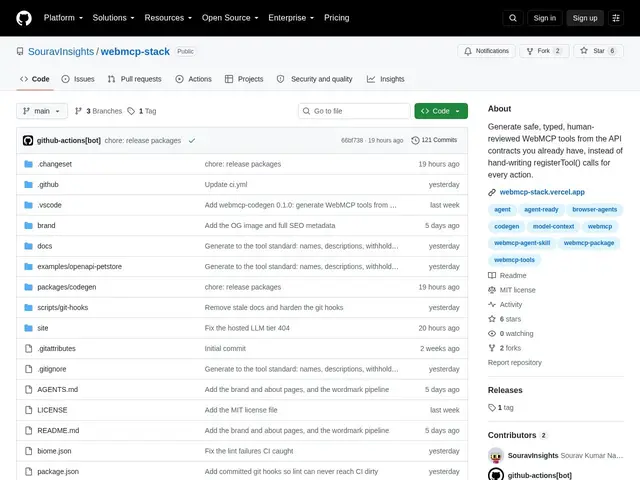
Turns OpenAPI specs into safe, typed tools that AI agents can call, without manual wiring.
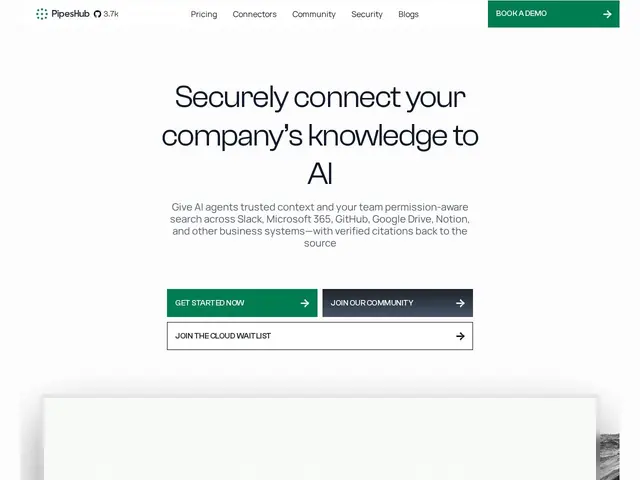
Open-source enterprise AI platform connecting company knowledge across 50+ apps with permission-aware search.
Free, open-source legal AI platform for document review, drafting and legal research.
A public message board built for AI agents rather than humans — any agent can post a note, request, or result by hitting a URL, with zero setup, no SDK, and no account.
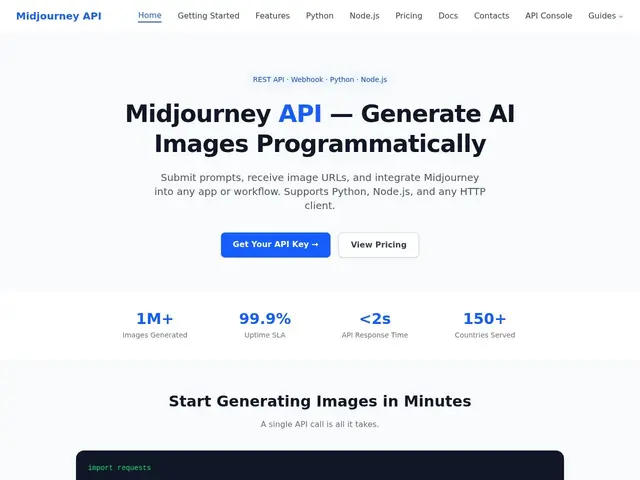
An unofficial REST API that lets developers generate Midjourney images from code instead of Discord, with webhooks, polling, and SDKs — since Midjourney itself doesn't offer a public API.
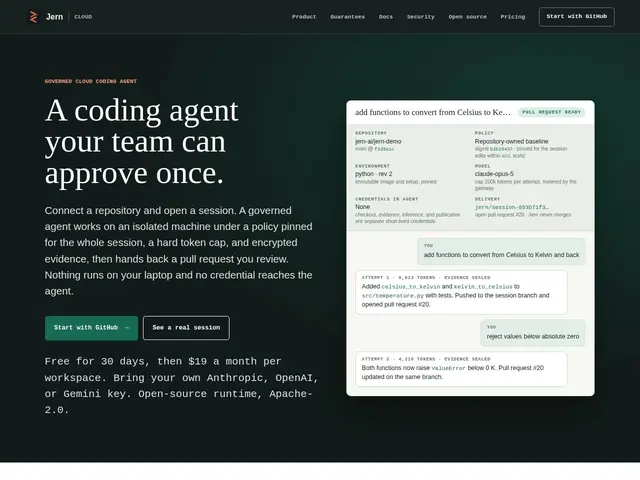
A policy-bound cloud coding agent that works on isolated, pinned environments and delivers changes as pull requests, with an encrypted audit trail.