Producter
An all-in-one workspace for product teams to collect user feedback, turn it into tasks, write documentation, and publish a public changelog, instead of juggling separate tools for each of those jobs.
🔗 Visit Producter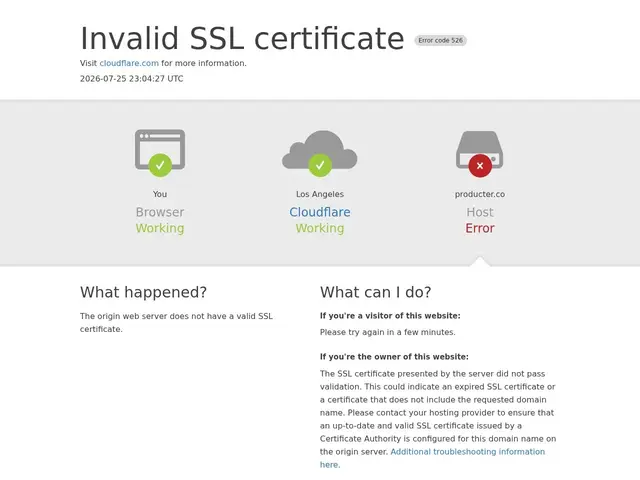
Description
Building a product well means constantly listening to what users want, deciding what to actually build, tracking the work, and then telling people what changed once it ships. Many teams end up doing each of those steps in a different tool — a feedback board here, a task tracker there, a changelog bolted on somewhere else. Producter puts all of it in one place, built specifically around a product-led growth workflow.
Producter is a product management platform for product-led SaaS teams, reportedly used by 2,000+ product people. It combines a feedback and voting module (so users can submit and upvote requests), task management tied to a visible roadmap, a documentation module for internal or customer-facing docs, a self-service user portal, a product dashboard for an overview of activity, and a changelog module that integrates with GitHub and GitLab to help turn merged code into a public-facing update automatically. It's freemium, with paid tiers for teams that need more than the basics, though exact current pricing numbers weren't independently confirmed at the time of this review due to a temporary site access issue.
💬 Our review
The short version: Producter is worth a look for a small-to-mid product team that wants feedback, tasks, docs, and changelog in one connected workspace rather than four separate subscriptions, though it's worth confirming current pricing directly since it wasn't independently verifiable at review time.
Against Productboard, the category's more established player, Producter is generally positioned as the lighter, more affordable option — a better fit for smaller teams that find Productboard's feature depth (and price) more than they need. Against point solutions like Canny (feedback only) or Frill (changelog only), Producter's advantage is that feedback, roadmap, docs, and changelog all live in the same place and can reference each other, so a user-submitted feature request can flow straight through to a task and eventually a changelog entry without re-entering it three times. The GitHub/GitLab changelog integration is a genuinely useful touch for engineering-adjacent product teams who want release notes generated closer to the actual code. The main caution is one this review ran into directly: independently confirm the site loads reliably and get current pricing in writing before committing, since a temporary server error prevented full verification during research.
💰 Pricing
📊 Global score
🤖 AI-enriched data
Modèle freemium avec paliers payants ; chiffres précis non confirmés indépendamment (site inaccessible temporairement au moment de la revue — vérifier directement avant engagement).
Pros
Combine feedback, roadmap, documentation et changelog dans un seul outil
Intégration changelog avec GitHub/GitLab
Positionné plus abordable que Productboard pour petites équipes
2000+ product people utilisateurs revendiqués
Portail self-service pour les utilisateurs finaux
Cons
Site rencontrait une erreur serveur (HTTP 526) au moment de la revue — à vérifier avant engagement
Tarification précise non confirmée indépendamment
Pas de date de fondation publique vérifiée
Moins de profondeur fonctionnelle que Productboard sur les cas complexes